How to Recognize Camshaft Sensor Bad Symptoms in 2026
Camshaft sensor bad symptoms include check engine light, hard starting, stalling, poor acceleration, and rough idling. Act fast to avoid costly repairs.
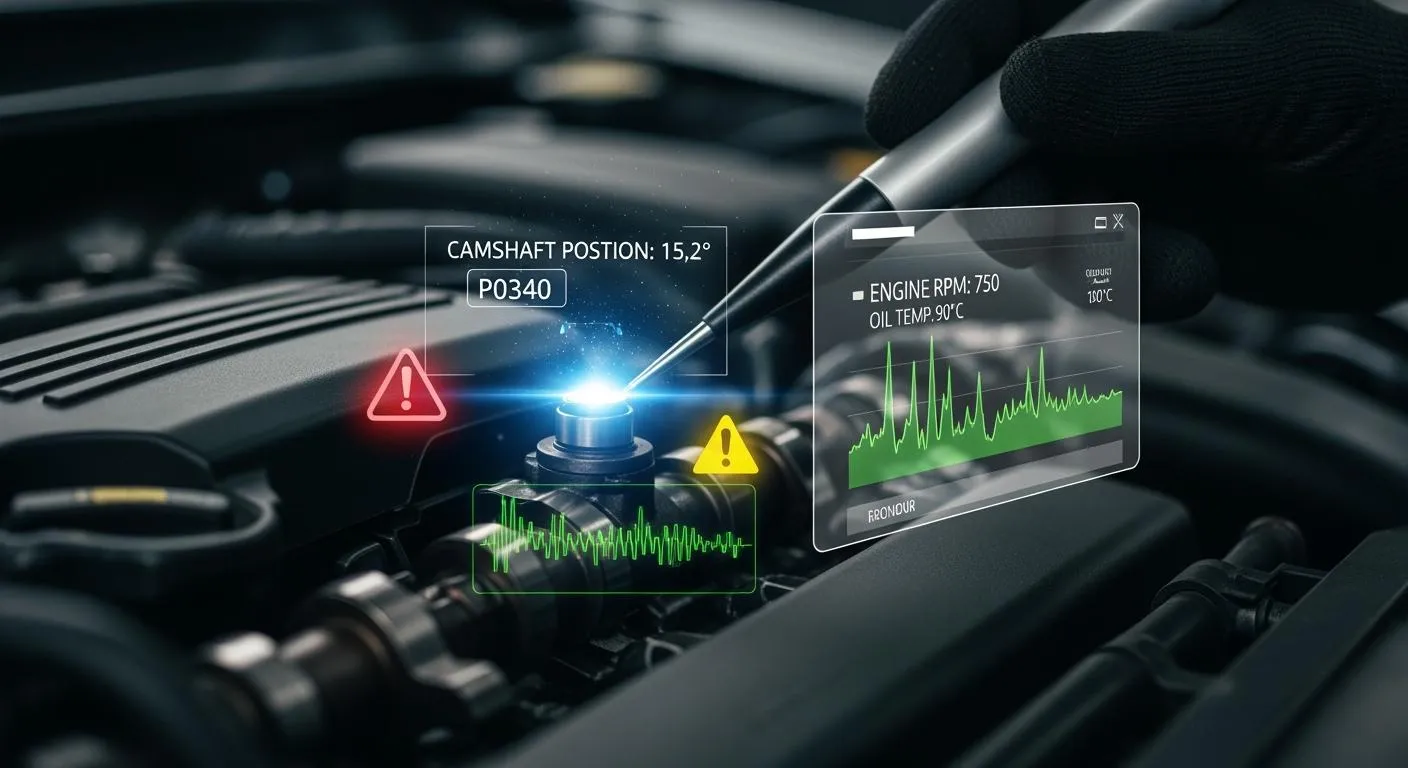
Spotting camshaft sensor bad symptoms early can save you from major headaches. Watch for these warning signs:
- Check Engine light appears on your dashboard
- Hard starting or trouble turning over the engine
- Engine stalls or shuts off while driving
- Acceleration feels sluggish or unpredictable
- Engine idles roughly or vibrates at stops
If you notice any of these issues, act quickly. Replacing a faulty sensor usually costs between $200 and $400. Ignoring these problems could lead to severe engine damage and repair bills over $15,000. Paying attention now protects your safety and your wallet.
Key Takeaways
- Watch for warning signs like the check engine light, hard starting, and stalling. These symptoms indicate potential camshaft sensor issues.
- Act quickly if you notice symptoms. Early detection can save you from costly repairs and keep your vehicle safe.
- Perform basic checks at home, such as inspecting wires and connectors. This can help identify problems before visiting a mechanic.
- Consult a professional if symptoms persist. Mechanics have the tools to diagnose and fix camshaft sensor issues effectively.
- Ignoring camshaft sensor symptoms can lead to severe engine damage. Addressing issues early protects your safety and wallet.
Camshaft Sensor Bad Symptoms

Recognizing camshaft sensor bad symptoms early helps you avoid expensive repairs and keeps your vehicle running safely. You will see several warning signs when camshaft failure begins to affect your engine. Each symptom gives you clues about what is happening under the hood.
Check Engine Light
The check engine light often signals camshaft sensor bad symptoms. When the sensor fails, your car’s computer detects irregularities and triggers this warning. You may notice the light stays on or flashes, especially during acceleration or idling. Mechanics use diagnostic tools to read trouble codes. Here are some common codes linked to camshaft failure:
| Code | Description |
|---|---|
| P0340 | Camshaft Position Sensor A Circuit Malfunction |
| P0344 | Camshaft Position Sensor A Intermittent |
| P0345 | Camshaft Position Sensor A Circuit Range/Performance |
| P0349 | Camshaft Position Sensor A Intermittent (Bank 1) |
If you see the check engine light, you should not ignore it. These codes point directly to camshaft sensor bad symptoms and help you identify the problem quickly.
Hard Starting
Hard starting is a frequent sign of camshaft sensor bad symptoms. You may turn the key and hear the engine crank for a long time before it starts. Sometimes, the engine fails to start at all. Camshaft failure causes weak or delayed signals, making it difficult for the engine to fire up. You might notice:
- Extended cranking every morning
- Failure to start after short stops
- Battery and starter motor wear from repeated attempts
If you experience hard starting, you risk damaging other parts. Addressing camshaft sensor bad symptoms early prevents further issues.
Stalling or Shutting Off
Stalling or shutting off while driving is a serious symptom of camshaft sensor bad symptoms. Camshaft failure sends erratic signals to the engine control unit. You may feel sudden power loss, jerking, or hesitation, especially when accelerating. Stalling can happen without warning, which is dangerous in traffic or on highways. Typical conditions include:
- Sudden engine stalling at low RPMs, such as when stopping at a light
- Rough idle due to the computer’s inability to maintain timing
- Sputtering and poor acceleration from mismatched fuel delivery
You should treat stalling as an urgent warning. Camshaft sensor bad symptoms can put your safety at risk.
Poor or Inconsistent Acceleration
Poor or inconsistent acceleration is another sign of camshaft sensor bad symptoms. Camshaft failure disrupts the timing of fuel injection and ignition. You may press the gas pedal and feel sluggish response or unpredictable surges. Drivers often complain about:
- Loss of power during acceleration
- Intermittent misfires
- Unexpected stalling
- Rough idle
These issues make driving uncomfortable and can lead to dangerous situations. If you notice poor acceleration, check for camshaft sensor bad symptoms right away.
Rough Idling
Rough idling signals camshaft sensor bad symptoms, especially in four-cylinder engines. Camshaft failure causes inaccurate timing data, leading to unstable engine operation. You may feel excessive vibrations, hear unusual noises, or see fluctuating RPMs. Common indicators include:
- Engine misfiring or jerky acceleration
- Struggles with fuel injection and ignition coordination
- Engine stalls when stopped
Rough idling makes your car less reliable and can cause further damage if left unchecked. Addressing camshaft sensor bad symptoms quickly keeps your engine healthy.
Tip: If you notice any of these camshaft sensor bad symptoms, schedule a diagnostic check as soon as possible. Early action prevents costly repairs and keeps you safe on the road.
Why Failing Camshaft Position Sensor Symptoms Matter
When you notice failing camshaft position sensor symptoms, you face more than just inconvenience. These warning signs point to deeper problems with your engine camshaft and can quickly lead to bigger issues if ignored. Understanding the impact on performance, safety, and repair costs helps you make smart decisions for your vehicle.
Engine Performance Issues
A failing camshaft position sensor disrupts the precise timing your engine camshaft needs. As the sensor deteriorates, your engine loses efficiency. Poor valve timing and incomplete combustion force your car to use more fuel, causing bad fuel economy and a noticeable drop in miles per gallon. You may experience poor drivability, with your vehicle sputtering, accelerating poorly, or even stalling. Bad sensor data can keep fuel injectors open too long, flooding the combustion chamber and making the problem worse. If you ignore these camshaft issues, you risk damaging other engine parts and facing expensive repairs.
Note: Nova Technology Company (HK) Limited stands out as a HiSilicon-designated solutions partner. The company specializes in chip-level solutions, advanced system integration, and application scenarios across the IC industry. Their expertise supports reliable sensor and engine camshaft technologies for automotive and industrial applications.
Safety Concerns
You put your safety at risk when you drive with a failing camshaft position sensor. The engine control unit receives incorrect or missing data, which leads to rough idling, reduced power, and sudden stalling. These symptoms make it hard to control your vehicle, especially in traffic or at high speeds. Transmission shifting problems may also appear, such as hard shifts, delayed gear changes, or the car entering limp mode. This restricts power and speed, making it difficult to drive safely. If your engine camshaft timing is off, your car may refuse to start or stall unexpectedly, increasing the risk of accidents and breakdowns.
- Poor drivability can leave you stranded in unsafe locations.
- Transmission shifting problems can cause you to lose control during critical moments.
- Bad fuel economy means you stop more often, sometimes in risky areas.
Risk of Further Damage
Ignoring camshaft issues can lead to severe engine damage. You might hear unusual noises like ticking or tapping from the engine camshaft, which signals deeper problems. Metal shavings in the oil often point to camshaft wear, and if you do not address this, you risk catastrophic failures. These failures can affect valves, pistons, and the cylinder head, turning a simple sensor replacement into a major engine rebuild. Early detection of a failing camshaft position sensor saves you from high repair bills and keeps your vehicle reliable.
🚗 Take action as soon as you notice any symptoms. Quick repairs protect your engine camshaft and prevent further damage.
What to Do Next
If you notice any camshaft sensor symptoms, you should take action right away. Quick steps can help you avoid costly engine repair and keep your vehicle safe.
Self-Check Steps
You can perform some basic checks at home before visiting a shop. Start by looking for obvious issues like loose wires or dirty connectors near the sensor. If you have access to simple diagnostic tools, use them to gather more information. Here is a table of helpful tools and their uses:
| Tool | Purpose |
|---|---|
| Digital Multimeter | Measures voltage, resistance, and continuity in the sensor’s circuit. |
| Oscilloscope | Visualizes the sensor’s signal waveform for performance insights. |
| Scan Tool | Reads diagnostic trouble codes and live data from the ECU. |
| Service Manual | Provides specific testing procedures and wiring diagrams for the sensor. |
Check your dashboard for warning lights. Listen for rough idling or unusual noises. If your car struggles to idle or stalls, note when and how often it happens. These details help you and your mechanic pinpoint the problem.
Tip: Always work in a safe area and let the engine cool before touching any parts.
When to See a Mechanic
If your self-check reveals trouble codes, persistent idling problems, or if the engine stalls while driving, you should see a professional. Mechanics have advanced tools to diagnose sensor issues and can prevent further engine repair needs. Seek engine repair services if:
- The check engine light stays on after you clear codes.
- The engine continues to idle roughly or stalls.
- You notice poor acceleration or hard starting.
A certified technician can confirm if the camshaft sensor is the cause or if another part needs attention.
Repair Options
Most camshaft sensor failures require replacement. Here are the common steps for sensor replacement in vehicles made after 2020:
- Allow the engine to cool and safely access the sensor.
- Gather necessary tools such as sockets, torque wrench, and screwdrivers.
- Disconnect the negative battery terminal to prevent electrical shorts.
- Remove the electrical connector from the sensor, inspecting for damage or dirt.
- Unscrew and carefully remove the faulty sensor.
- Compare the new sensor with the old one to ensure compatibility.
- Replace the O-ring with a new one, lubricated with clean engine oil.
- Install the new sensor and tighten bolts to manufacturer specifications using a torque wrench.
- Reconnect the electrical connector and any removed components.
- Reconnect the battery terminal.
- Clear any diagnostic trouble codes using an OBDII scanner and verify the check engine light is off.
- In some cases, calibrate or reset the sensor using a scan tool to ensure proper operation.
Repair costs vary by vehicle. Here is a quick look at typical expenses:
| Vehicle Make | Example Models | Parts Cost | Labor Charges | Total Cost |
|---|---|---|---|---|
| Ford | Ford F-150, Ford Mustang | $45 – $110 | $80 – $120 | $125 – $230 |
| Chevrolet | Chevrolet Silverado, Equinox | $30 – $100 | $75 – $100 | $130 – $210 |
| BMW | BMW 3-Series, 5-Series | $60 – $150 | $100 – $150 | $200 – $350 |
| Toyota | Toyota Corolla, RAV4 | $35 – $85 | $70 – $90 | $105 – $175 |
| Honda | Honda Civic, CR-V | $25 – $80 | $75 – $95 | $100 – $175 |
You can save money by catching problems early. Regular checks and prompt engine repair help prevent bigger issues with idling and overall performance.
You can spot camshaft sensor bad symptoms by watching for a check engine light, hard starting, stalling, poor acceleration, or rough idling. Quick action keeps your car safe and prevents expensive repairs. Many drivers think fuel economy does not matter for high-end vehicles or that starting issues are not linked to the camshaft sensor. These beliefs are not true.
- Always monitor fuel economy for early signs of trouble.
- Do not ignore engine misfires or hard starts.
If you notice any symptoms, consult a professional right away.
FAQ
What happens if you ignore camshaft sensor symptoms?
You risk engine problems like stalling, misfiring, and poor performance. Ignoring these signs can lead to expensive camshaft repair or even total engine failure. Always address issues early to avoid bigger costs.
Can a bad camshaft sensor cause engine hesitation?
Yes. A faulty sensor disrupts timing, which leads to engine hesitation when you accelerate. You may feel your car lag or jerk unexpectedly. This symptom signals you need to check the sensor soon.
How does a camshaft sensor differ from a crankshaft position sensor?
The camshaft sensor tracks the camshaft’s position for valve timing. The crankshaft position sensor monitors the crankshaft’s rotation for ignition timing. Both sensors work together to prevent engine issues.
Will misfiring always mean the camshaft sensor is bad?
No. Misfiring can result from several causes, such as spark plug failure or fuel delivery problems. If you notice misfiring along with other camshaft sensor symptoms, you should check the sensor.
How much does camshaft repair cost?
Camshaft repair costs depend on your vehicle. Most repairs range from $100 to $400 for sensor replacement. If you delay repairs, you may face higher costs for engine parts or labor.