What Is the Importance of IC Components in 2026
IC components are vital in 2026, powering compact, efficient, and smart devices. Learn how integrated circuits enable innovation and reliability in everyday technology.

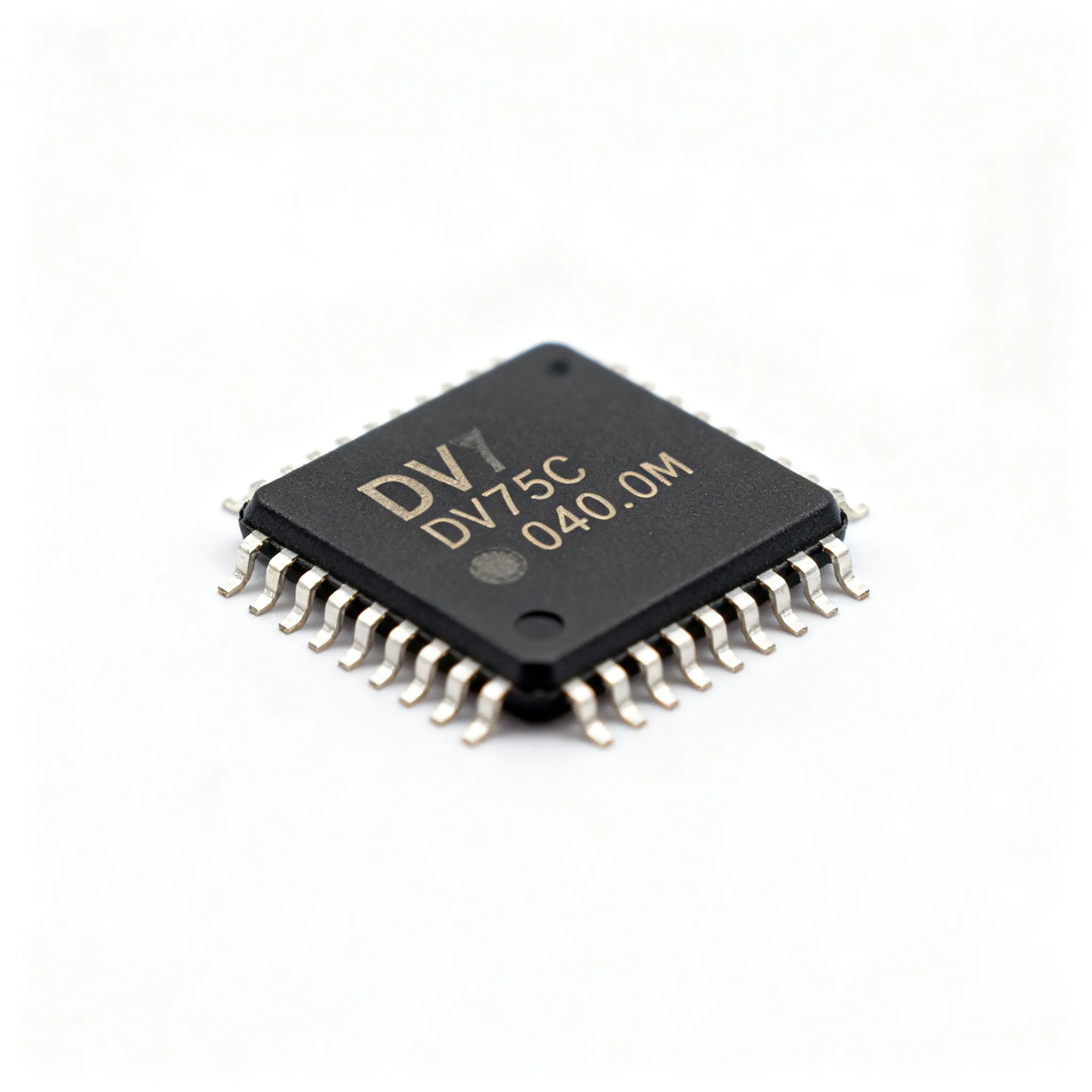
Your phone, your car, your appliances – all run on tiny chips called IC components. In 2026, these integrated circuits are essential because they enable the smart, compact, and efficient devices you rely on every day. Think of an IC like a well-organized city. Each neighborhood within an IC has a specific function, but they all work together seamlessly. The global semiconductor market is projected to reach USD 659.66 billion in 2026, reflecting the massive role every integrated circuit plays. An IC combines many functions into one microchip. This IC technology powers your world. This blog explains their importance without overwhelming technical details.
Key Takeaways
- Integrated circuits combine many functions into one tiny chip, making devices smaller and more powerful.
- ICs reduce costs and increase reliability, so your gadgets last longer and need fewer repairs.
- In 2026, 3D stacking and chiplets make chips faster and more efficient.
- AI inside chips enables smart features on your devices without needing the cloud.
- ICs are the invisible engines that power your everyday technology, from phones to cars.
What Are IC Components?
The Simple Idea of an Integrated Circuit
Imagine an integrated circuit as a complete kitchen. Each tool serves a purpose. The oven bakes food. The stove heats dishes. The fridge keeps items cool. You need all these items together to cook a meal. An integrated circuit works the same way. It combines many small electronic functions onto a single chip. This chip performs a specific task. You might use an IC for processing audio. Another IC connects to a wireless network. Each IC is designed for a particular job. The result is a small chip that does the work of many separate parts. You do not see the individual pieces inside. You only see the outcome.
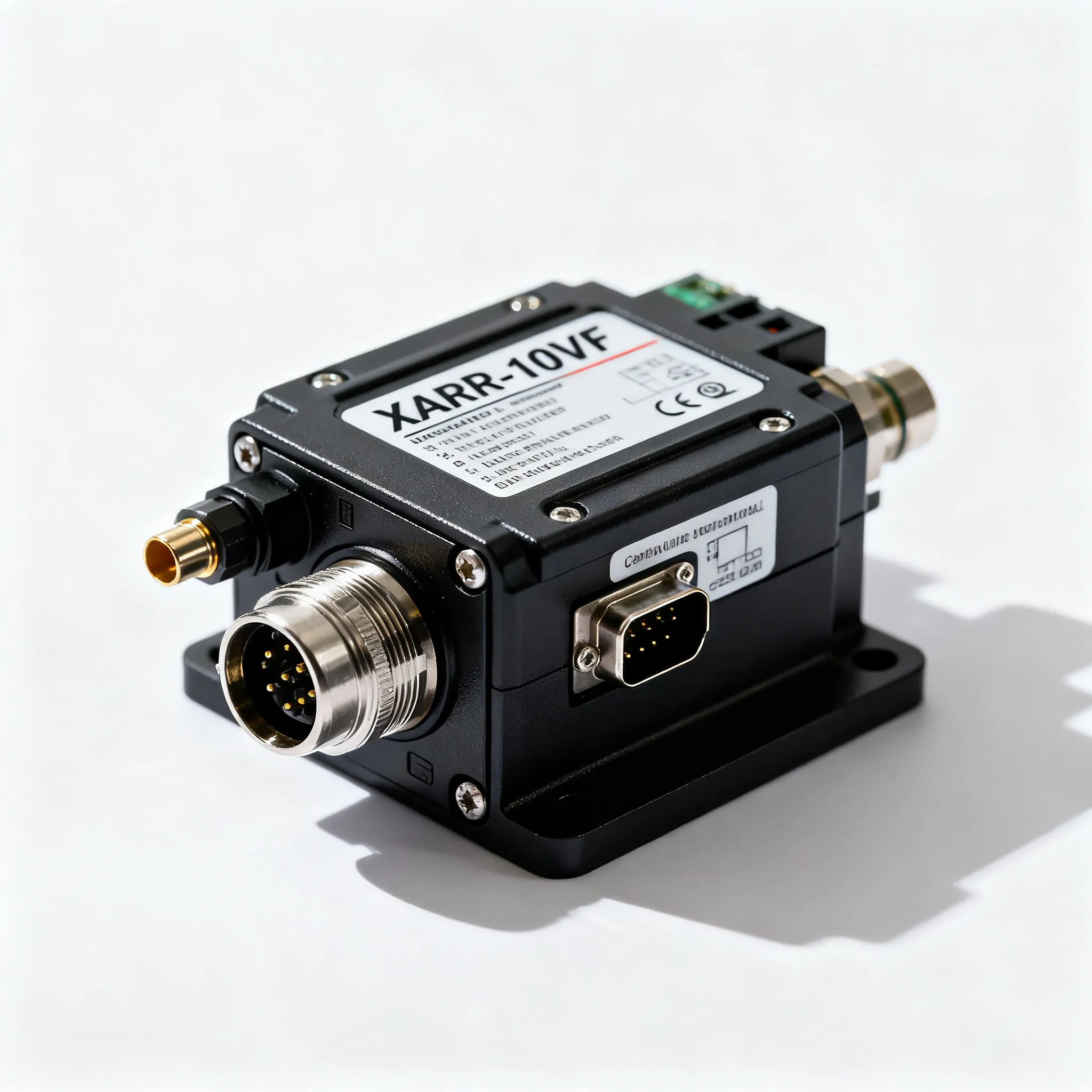
Different types of integrated circuits serve different needs. One type of integrated circuit handles memory storage for your phone. Another type of IC manages power distribution in your laptop. Still another type of IC processes complex calculations for gaming consoles. These types of integrated circuits make modern electronics possible. You find integrated circuits in nearly every device you own. Your alarm clock and your car both use integrated circuits. Each IC plays a specific role.
How ICs Enable Compact and Powerful Devices
An IC lets you carry powerful technology. Your smartphone contains many chips. Each IC handles a specific function. You would need many separate parts without ICs. Your phone would be the size of a suitcase. ICs replace bulky components with tiny, efficient chips. The result fits in your hand. It performs thousands of tasks per second. Integrated circuits make this possible. They combine many functions into a small space.
An IC also makes devices more reliable. Fewer parts mean fewer failures. This reliability is crucial for medical devices. Integrated circuits ensure these systems work correctly. Nova Technology Company (HK) Limited, a HiSilicon-designated (authorized) solutions partner, works with advanced ICs. They deliver chip-level solutions for complex applications. Their expertise in system integration helps bring powerful, compact devices to market. Your smartwatch or laptop both rely on ICs. These chips are the invisible engines that make modern life possible.
Key Benefits of IC Components

Miniaturization and Performance
You experience the first major benefit every time you hold your smartphone. Integrated circuits pack enormous computing power into a space smaller than your fingernail. This miniaturization transforms your daily life. Your phone fits in your pocket, yet it outperforms desktop computers from a decade ago. The integrated circuit makes this possible by combining many functions onto one tiny chip. You get faster processing, better graphics, and longer battery life without carrying a bulky device.
Consider your laptop. Modern ultrabooks measure just millimeters thick. They weigh less than three pounds. These devices deliver all-day battery life while handling demanding tasks like video editing or software development. The integrated circuit drives this performance. Each IC manages specific functions efficiently. Your laptop's processor IC handles calculations. Another IC manages graphics. Still another controls power distribution. Together, these integrated circuits create a seamless experience.
Your smartwatch demonstrates this benefit even more clearly. This tiny device tracks your heart rate, monitors your sleep, receives notifications, and runs applications. All these functions occur within a case smaller than a coin. Without integrated circuits, you would need dozens of separate components. The watch would become impractical. Instead, you wear a powerful computer on your wrist.
Cost Efficiency and Reliability
Integrated circuits save you money in two ways. First, they reduce manufacturing costs. Producing one chip that combines many functions costs far less than manufacturing each component separately. These savings pass directly to you. You purchase capable devices at affordable prices. Second, integrated circuits last longer. Fewer parts mean fewer potential failure points. Your devices work reliably for years.
Medical devices demonstrate this reliability most clearly. A pacemaker contains multiple integrated circuits that monitor your heart and deliver precise electrical pulses. These ICs must function flawlessly for years inside your body. The reliability of integrated circuits makes this possible. You trust these devices with your life because they rarely fail.
Nova Technology Company (HK) Limited, a HiSilicon-designated (authorized) solutions partner, works with advanced integrated circuits in this exact context. They deliver chip-level solutions for complex applications across medical, industrial, and consumer sectors. Their expertise in system integration ensures that multiple ICs work together seamlessly within a single device. This partnership between design and manufacturing expertise brings reliable, high-performance products to market.
Your home appliances also benefit from this reliability. Your washing machine uses integrated circuits to manage cycles, monitor water levels, and control motor speed. Your refrigerator regulates temperature precisely. Your thermostat learns your schedule and adjusts heating automatically. These devices operate for years without service calls. The integrated circuit makes this dependability possible.
The cost savings extend beyond purchase price. Reliable devices require fewer repairs. You replace them less frequently. You spend less on maintenance. Over time, these savings add up significantly. The integrated circuit delivers value throughout the entire lifespan of your device, not just at the moment of purchase.
IC Trends for 2026

Advanced Packaging and 3D Chips
The way manufacturers build ICs is changing rapidly. Instead of making one flat chip, engineers now stack multiple chips vertically. This approach, called 3D packaging, lets different functions work closer together. You get faster performance without making the device larger. Your smartphone benefits directly from this trend. The latest models pack more power into thinner frames because of advanced packaging techniques.
Chiplet technology represents another major shift. Rather than building one massive chip, manufacturers create smaller specialized chips and connect them. This modular approach reduces costs and speeds up production. The global chiplet market reflects this momentum. It reached USD 73.96 billion in 2026, with projections surging to USD 534.41 billion by 2035. That represents a compound annual growth rate of 24.5%. The CPU segment holds 32.3% of the market, while 2.5D/3D interposer technology captures 36.3%. Asia Pacific leads with 36.30% market share, followed by North America at 30.2%.
The global chiplet market was valued at USD 59.37 billion in 2025, is estimated to reach USD 73.96 billion in 2026, and is projected to surge to USD 534.41 billion by 2035, expanding at a robust CAGR of 24.5% during 2026–2035.
These advances mean smaller wearables and more powerful laptops for you. Nova Technology Company (HK) Limited, a HiSilicon-designated (authorized) solutions partner, works with these advanced ICs daily. They deliver chip-level solutions that integrate multiple functions into single systems. Their expertise helps bring cutting-edge products to market faster.
AI Integration and Smarter Devices
Artificial intelligence now lives directly inside your devices. Modern ICs include dedicated neural processing units that handle AI tasks locally. You experience this through faster voice assistants and smarter camera features. Your phone processes photos instantly without sending data to the cloud. This on-device AI improves privacy and reduces lag.
Three major trends define the IC landscape in 2026:
- AI and data centres drive growth: AI workloads consume a substantial share of new data centre investment, fueling demand for high-performance CPUs, GPUs, custom AI accelerators, and advanced networking chips.
- Automotive electrification expands: Electric vehicles and advanced driver assistance systems increase semiconductor content per vehicle, using silicon carbide and gallium nitride power devices plus high-performance system-on-chips.
- Consumer devices embrace on-device AI: Neural processing units integrated into system-on-chip designs enable real-time AI features on smartphones and PCs, improving latency and privacy without cloud reliance.
These integrated circuits transform everyday experiences. Your car detects obstacles automatically. Your laptop anticipates your workflow. Your smartwatch predicts health patterns. Each integrated circuit works silently behind the scenes. The ic components inside these devices make intelligent features possible. As these trends continue, you will see even smarter, more capable technology entering your home.
IC components serve as the invisible engines behind every modern device you touch. They make your technology smarter, smaller, and more affordable. Each integrated circuit works silently, combining many functions into one tiny chip. You benefit from this efficiency daily, whether you use a smartphone, drive an electric car, or wear a smartwatch.
The future holds even greater promise. Advanced packaging and on-device AI will continue transforming your experiences. Your devices will grow more capable while shrinking further. The IC inside each product will keep evolving, delivering performance you cannot yet imagine. You can trust these tiny chips to power tomorrow's innovations reliably. Their importance in 2026 is clear: they make the impossible possible, one small chip at a time.
FAQ
What is the difference between an integrated circuit and a microprocessor?
A microprocessor is one type of integrated circuit. An IC is the broader category. It includes memory chips, power management chips, and wireless chips. Your device contains many different ICs, each handling a specific job.
How long do ICs typically last in a device?
Most ICs last 10 to 20 years under normal use. They have no moving parts that wear out. Heat and power surges cause most failures. Proper cooling keeps them working reliably for many years.
Can a failed IC be repaired or replaced?
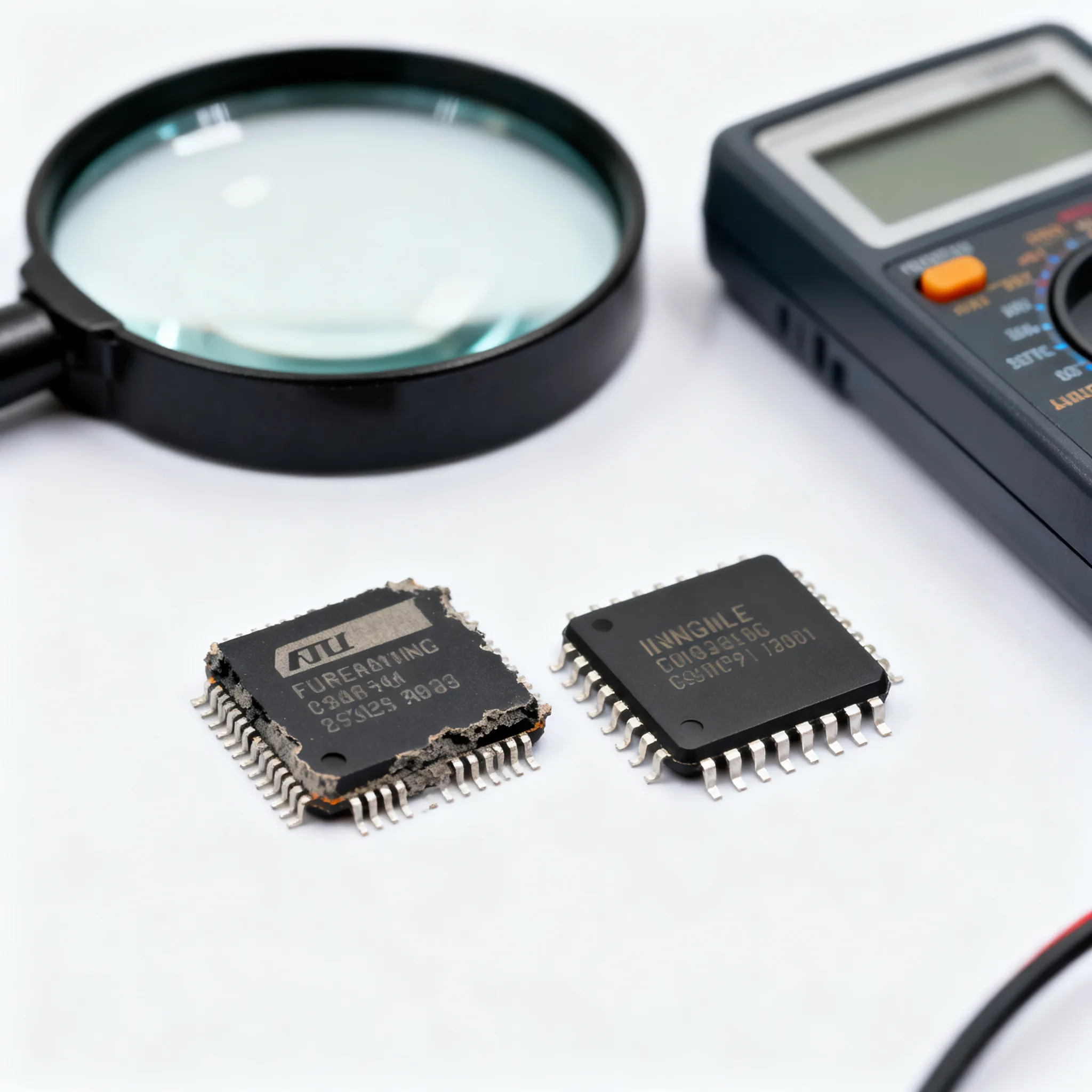
Technicians can replace a failed IC, but the process requires specialized equipment. Replacing a chip often costs more than buying a new device. Manufacturers design most consumer products with the IC soldered directly onto the circuit board.
Do ICs affect how fast your AI features work?
Yes. Modern ICs include dedicated neural processing units that handle AI tasks locally. This on-device processing makes your voice assistant respond faster. It also improves privacy because your data stays on your phone, not in the cloud.
How do 3D chips improve your device performance?
3D chips stack multiple ICs vertically instead of placing them side by side. This shorter distance between components means data travels faster. Your device processes information more quickly. You get better performance without a larger device.