Optimizing Your Setup with HiSilicon Connectivity in 2025
Selecting the right internet connectivity is a critical decision for product designers. Different technologies serve distinc
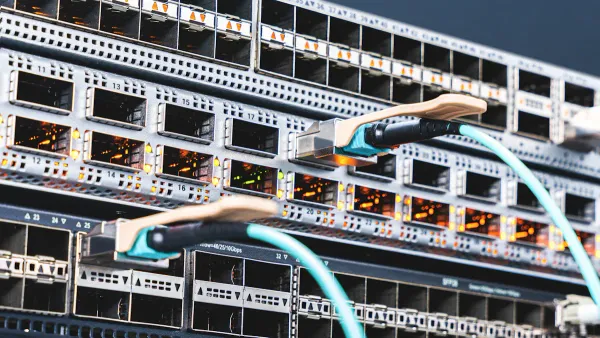
Selecting the right internet connectivity is a critical decision for product designers. Different technologies serve distinct needs for accessing the internet.
HiSilicon provides several connectivity options. A stable ethernet connection offers the most reliable internet for stationary industrial uses. Mobile devices benefit from the speed and coverage of wi-fi. For mission-critical tasks demanding high mobility, 5G is the definitive solution. HiSilicon's 5G and ethernet technologies ensure top performance, while its wi-fi solutions balance speed and cost.
Key Takeaways
- HiSilicon offers different ways to connect to the internet. These include Wi-Fi, 4G LTE, 5G, and wired Ethernet.
- Wi-Fi is good for fast internet at home or in an office. It connects many devices without cables.
- 4G LTE and 5G are for devices that move around. 5G is faster and better for new technologies like self-driving cars.
- Ethernet uses a cable for the most stable internet. It is best for machines that cannot lose their connection.
- A 5G modem with an Ethernet port gives you both mobile internet and a stable wired connection. It is very flexible.
WI-FI CONNECTIVITY OPTIONS
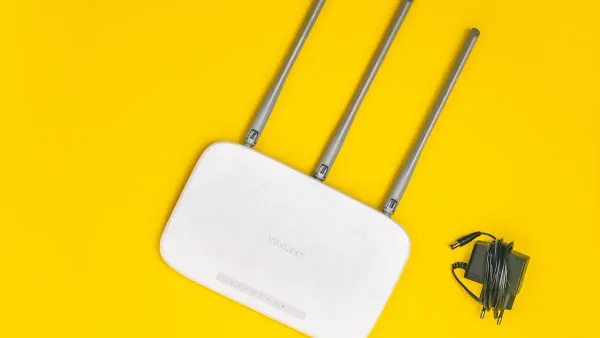
HiSilicon's Wi-Fi solutions provide powerful local wireless connectivity. These technologies are essential for devices needing high-speed internet access without physical cables. The latest Wi-Fi standards offer significant upgrades for modern applications. This makes Wi-Fi a primary choice among various connectivity options for homes and businesses.
IDEAL USE CASES
Wi-Fi is the standard for local area networking in many environments. It excels in smart homes, connecting everything from laptops to smart speakers. Offices rely on Wi-Fi for employee devices and conference room equipment. It also serves as a central hub for Internet of Things (IoT) devices, aggregating data before sending it to the internet.
In some industrial settings, other technologies are more suitable. For example, Power Line Communication (PLC) is often preferred for large-scale lighting projects due to its reliability over long distances. HiSilicon's PLC-IoT technology is used for:
- Commercial and Street Lighting: Connecting entire systems of street lamps or track lights.
- Industrial Lighting: Operating effectively in environments with high electrical noise.
- PV Power Generation: Allowing inverters to communicate with optimizers.
In these scenarios, Wi-Fi complements the setup by providing high-bandwidth access points for personnel or specific high-data machinery.
WI-FI 6/7 PERFORMANCE
The performance of Wi-Fi has evolved dramatically. HiSilicon's Wi-Fi 6, 6E, and 7 chipsets deliver faster speeds and greater capacity. Wi-Fi 6 introduced efficiencies for crowded network environments. Wi-Fi 7 builds on this, offering even higher throughput and lower latency. These advancements provide the speeds necessary for streaming 8K video, online gaming, and large file transfers. The improved performance ensures a stable connection even when many devices use the Wi-Fi network simultaneously.
POWER AND COST ANALYSIS
Wi-Fi offers a compelling balance of cost, power, and performance. Wi-Fi chipsets are generally affordable, making them ideal for consumer electronics. While high-performance Wi-Fi can consume considerable power, newer standards like Wi-Fi 6 include features such as Target Wake Time (TWT). TWT allows devices to schedule check-ins with the router, reducing power consumption and extending battery life for mobile and IoT devices. This efficiency makes modern Wi-Fi a practical solution for devices that need both high-speed internet and effective power management.
LTE CONNECTIVITY OPTIONS
HiSilicon's 4G LTE technology offers excellent wide-area connectivity options. This cellular technology provides reliable internet access over long distances. It is a great choice where Wi-Fi coverage is not available. The mature 4G LTE networks deliver a solid balance of speed, coverage, and cost for many products. A 4G modem connects devices to the cellular network.
IDEAL USE CASES
The strength of 4G lies in its vast coverage. This makes it perfect for mobile or remote applications. A 4G modem is often used in these scenarios:
- Asset Tracking: Companies use a 4G modem to monitor vehicles and shipping containers.
- Smart Meters: Utility companies collect data from meters using a 4G cellular connection.
- Backup Internet: Businesses use a 4G modem for an internet backup if their main line fails.
- Remote Monitoring: A 4G modem enables security cameras and sensors in rural areas.
NB-IOT AND CAT-M EFFICIENCY
HiSilicon provides a specialized 4G cellular modem for the Internet of Things (IoT). These technologies are called NB-IoT and Cat-M. They are part of the 4G cellular family but are designed for efficiency. They use very little power and are ideal for simple devices. These devices send small amounts of data over the cellular network. This performance makes the 4G modem perfect for battery-powered sensors that must last for years. The 4G cellular modem ensures a stable connection.
POWER AND COST ANALYSIS
The 4G LTE modem is a cost-effective solution. The hardware for a 4G modem is affordable. Data plans for 4G are also cheaper than 5G plans. The NB-IoT and Cat-M cellular technologies improve power efficiency. Devices can enter a deep sleep mode to save battery. This design lowers the total cost of ownership. It makes 4G a smart choice for large-scale deployments that need dependable connectivity without high expenses.
HISILICON 5G CELLULAR
HiSilicon's 5G cellular technology represents the future of wireless connectivity. This advanced 5G technology provides unmatched speeds and responsiveness for the most demanding applications. A 5G cellular modem unlocks new possibilities where high mobility and instant communication are critical. These connectivity options push the boundaries of what is possible with a wireless internet connection. The extensive 5G coverage continues to expand, making 5G cellular a viable choice for next-generation products.
IDEAL USE CASES
The unique capabilities of 5G cellular make it ideal for cutting-edge applications. The high-speed internet access from a 5G modem supports tasks that are impossible with other technologies.
- Autonomous Systems: Self-driving cars and drones use the 5G cellular network to communicate with each other and with central systems in real time.
- Remote Operations: Surgeons can perform operations from miles away using robotic arms controlled over a 5G cellular connection.
- Smart Cities: A 5G modem connects traffic lights, public transport, and emergency services for a more efficient and safer city.
- Immersive Experiences: Augmented and virtual reality (AR/VR) applications require the massive bandwidth and low latency that 5G cellular provides.
5G PERFORMANCE: URLLC & REDCAP
The 5G cellular performance is not one-size-fits-all. HiSilicon offers specialized 5G solutions for different needs. This ensures optimal performance and efficiency. The 5G networks deliver faster speeds and better coverage.
URLLC (Ultra-Reliable Low Latency Communication) is a key feature of 5G. It guarantees extremely stable connections with minimal delay. This is essential for mission-critical tasks like autonomous driving. RedCap (Reduced Capability) is a newer form of 5G cellular. It provides a balance between the performance of 5G and the efficiency of LTE. A RedCap modem is perfect for advanced IoT devices like wearables and industrial sensors that need more speed than NB-IoT but not the full power of a standard 5G modem.
POWER AND COST ANALYSIS
A 5G cellular modem is a premium solution. The hardware and data plans for 5G are currently more expensive than 4G options. The high performance of a 5G modem also requires more power. However, the introduction of 5G RedCap helps manage these factors. RedCap devices use less power and have a lower modem cost, making 5G more accessible for a wider range of applications. As 5G coverage grows, the overall cost of the internet service is expected to decrease, improving its long-term value.
ETHERNET FOR ULTIMATE STABILITY
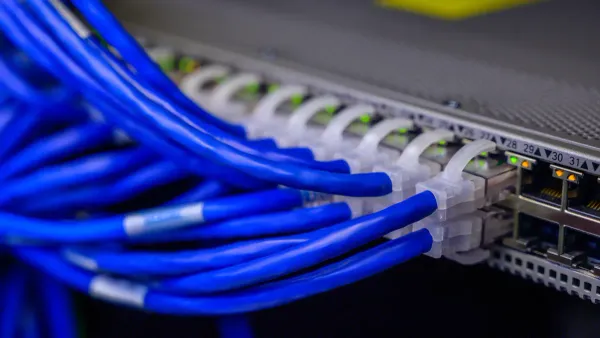
A wired ethernet connection provides the highest level of stability and performance. HiSilicon's ethernet technology is the top choice for applications where a lost connection is not an option. Unlike wireless technologies, a wired ethernet setup is immune to signal interference. This ensures consistent and dependable internet access. These features make ethernet a cornerstone of modern infrastructure.
IDEAL USE CASES
The strength of ethernet lies in its unwavering reliability. This makes it perfect for stationary devices that demand constant uptime and high bandwidth. A wired ethernet connection is essential in these environments:
- Industrial Automation: Factories use ethernet to connect machinery and control systems, requiring perfect timing and data integrity.
- Data Centers: Servers rely on ethernet for fast, stable communication within the network and to the broader internet.
- Office Backbones: Core network switches and high-performance workstations use wired ethernet for maximum throughput.
- Home Entertainment: A wired connection to a smart TV or gaming console guarantees a smooth experience for 8K streaming and online gaming.
These scenarios prioritize reliable connections over mobility.
MULTI-GIG AND TIME-SENSITIVE NETWORKING
HiSilicon's ethernet connectivity pushes performance boundaries. The technology supports Multi-Gig speeds, delivering data much faster than standard gigabit connections. This capability is crucial for handling large data transfers and providing high-speed internet to many users simultaneously.
Another key innovation is Time-Sensitive Networking (TSN). TSN allows the ethernet network to prioritize critical data packets. This feature guarantees that essential commands arrive with precise timing, which is vital for robotics and automated manufacturing. These advanced speeds and features define modern ethernet connectivity.
POWER AND COST ANALYSIS
A wired ethernet setup offers an excellent balance of cost and performance. The hardware for ethernet, including cables and ports, is generally inexpensive and widely available. While it powers a physical connection, ethernet is highly energy-efficient for the data speeds it delivers. The total cost of ownership is low because the infrastructure is durable and requires minimal maintenance. For stationary deployments, ethernet provides unmatched stability without a high price tag. It remains one of the most practical connectivity options available.
COMPARATIVE ANALYSIS
Choosing the right connectivity involves a trade-off between speed, reliability, mobility, and cost. Each HiSilicon technology offers a unique profile. This analysis compares them directly to help you make the best decision for your application.
SPEED AND BANDWIDTH
Different technologies deliver vastly different speeds. A wired ethernet connection provides the fastest and most consistent data throughput. It is the champion for stationary applications needing multi-gig speeds. The 5g technology offers the highest wireless speeds, making it ideal for data-heavy mobile tasks. The 4g cellular technology provides solid bandwidth that is suitable for many mobile applications, though it is slower than 5g. The performance of a cellular modem depends heavily on the network generation.
Packet size also plays a role in effective data throughput, especially for cellular technologies.
- The 5g n78 frequency band gives the best performance for all packet sizes.
- For some services, smaller data packets can result in higher throughput.
- In other cases, larger packets can improve reliability on the cellular network.
- This flexibility allows engineers to optimize a modem for specific IoT tasks with packet restrictions.
LATENCY AND RELIABILITY
Reliability is a critical factor for many systems. Ethernet is the most reliable option. A physical cable is immune to the wireless interference that can affect a cellular or wi-fi connection. This results in extremely low and predictable latency. The 5g technology comes close with its Ultra-Reliable Low Latency Communication (URLLC) feature. It is designed for mission-critical tasks where delays are unacceptable. The 4g cellular technology has higher latency than 5g, making it less suitable for real-time control applications. A 4g modem provides good reliability for general internet access but cannot match the stability of ethernet.
MOBILITY AND COVERAGE
Mobility is the primary advantage of cellular technologies. Both 5g and 4g provide connectivity over vast geographic areas. This allows devices to stay connected while on the move. The 5g coverage is expanding rapidly, bringing high-speed access to more places. The 4g technology offers the most extensive coverage today, making it a dependable choice for devices in remote locations. The overall cellular coverage is excellent for mobile assets. In contrast, ethernet offers zero mobility as it requires a physical cable. This limits its use to fixed locations. The limited coverage of a local network is its main drawback for mobile use cases.
POWER EFFICIENCY
Power consumption varies significantly across these options. Ethernet is very power-efficient for the high bandwidth it delivers. For wide-area cellular connectivity, 4g technologies like NB-IoT and Cat-M are the champions of low-power use. A modem using these standards can operate for years on a single battery. The 5g RedCap standard offers a good balance, providing higher performance than 4g with better power efficiency than full-scale 5g. A standard 5g modem consumes the most power to deliver its top-tier speeds. Designers must balance power budgets with performance needs when selecting a cellular modem.
TOTAL COST OF OWNERSHIP
Cost is often a deciding factor. Ethernet has a very low total cost of ownership. The hardware is inexpensive, and the infrastructure is durable. The 4g technology is also highly cost-effective. The 4g modem hardware is affordable, and data plans are cheaper than 5g plans. This makes 4g a smart choice for large-scale deployments. The 5g technology represents a premium investment. The modem and data plans are more expensive. However, costs are decreasing as 5g coverage grows and technologies like RedCap become more common.
HYBRID USE: 5G MODEM WITH ETHERNET PORT
A hybrid device combines the strengths of different technologies. The 5g modem with ethernet port is a perfect example of this synergy. This single device uses the 5g cellular network for wide-area internet access and provides a stable, wired ethernet connection for local devices. A 5g modem with ethernet port offers unmatched flexibility. For example, it can serve as a primary internet solution in areas without fiber. A 5g modem with ethernet port also acts as a reliable backup for a business if its main line fails.
A
5g modem with ethernet portis ideal for mobile command centers, construction sites, and pop-up events. It creates an instant, high-speed local network anywhere with 5g coverage. The5g modem with ethernet portconnects directly to a switch or router. This setup powers multiple wired devices like computers and cameras. A5g modem with ethernet portensures that critical equipment gets a stable connection. The5g modem with ethernet portbridges the gap between mobility and stability. A5g modem with ethernet portis a powerful tool for modern connectivity challenges. The5g modem with ethernet portdelivers the best of both worlds. Finally, a5g modem with ethernet portis the future of versatile networking.
Selecting the best technology depends on an application's specific needs for mobility, power, and cost. A hybrid device like the 5g modem with ethernet port offers great flexibility. This 5g modem with ethernet port is a powerful modem. The 5g modem with ethernet port is a useful modem. A 5g modem with ethernet port is a flexible modem. The 5g modem with ethernet port is a good modem. This 5g modem with ethernet port is a strong modem. The 5g modem with ethernet port is a reliable modem. Future designs will use technologies like 5G Sidelink for device-to-device links. Future-proofing requires monitoring performance metrics like response times and error rates.
FAQ
Which is better for a new product, Wi-Fi or cellular?
The best choice depends on mobility needs. Wi-Fi is ideal for devices in a fixed location like a home or office. Cellular technology, such as 4G or 5G, provides connectivity for mobile devices that travel over large areas.
Is 5G RedCap a good replacement for 4G LTE?
5G RedCap offers a middle ground. It provides faster speeds and lower latency than 4G LTE. Designers choose it for advanced IoT devices needing more performance. However, 4G remains a very cost-effective solution for simpler applications with lower data needs.
When should a designer choose ethernet over wireless?
Ethernet is the top choice for ultimate stability. Designers select it for stationary equipment where a reliable, high-speed connection is critical. Industrial machines, data servers, and core network hardware benefit most from a wired ethernet connection's consistency.
What is the main benefit of a 5G modem with an ethernet port?
This hybrid device offers incredible flexibility. It uses the 5G network for mobile internet access and provides a stable wired connection for local devices. Key benefits include:
- Creating an instant office network.
- Serving as a reliable backup internet source.
- Connecting critical wired equipment in mobile settings.