Quality Assurance in Medical PCB Assembly: Critical Standards and Testing Protocols
Quality assurance is very important in medical PCB assembly. Each printed circuit board in medical devices must follow strict quality rules. Doctors and nurses need equipment they can trust to keep patients safe
Quality assurance is very important in medical PCB assembly. Each printed circuit board in medical devices must follow strict quality rules. Doctors and nurses need equipment they can trust to keep patients safe. If one part of the medical electronics fails, it can harm patients. Good assurance steps help keep patients and makers safe by making sure every device works the right way.
Key Takeaways
-
Quality assurance in medical PCB assembly makes sure devices are safe and work well. This helps keep patients safe.
-
Companies follow strict rules like ISO 13485 and IPC-A-610 Class 3. These rules help them meet safety and quality needs.
-
Testing methods like in-circuit, functional, burn-in, AOI, and X-ray find problems early. This makes devices more reliable.
-
Good traceability and documentation systems track every part and step. This makes recalls easier and keeps quality steady.
-
Continuous improvement, supplier management, and prototyping help make products faster. They also lower costs and keep medical devices safe.
Why Quality Assurance Matters
Patient Safety
Quality assurance is very important in medical PCB assembly. Every step helps keep patients safe. Medical devices must work right every time. Even a small problem can be dangerous. Hospitals and clinics use these devices to help patients. Good quality assurance lowers the chance of mistakes.
A study showed that maintenance can be up to 60% of healthcare costs. In two years, good quality assurance saved over one million dollars. It also made equipment easier to use. By following standards like MS 2058:2018, hospitals make fewer mistakes. This helps stop failures that could hurt people. Machine learning now helps find problems before they happen. This keeps equipment safe and ready. These actions show that quality assurance protects patients and helps hospitals save money.
Tip: Testing and maintenance often can find problems early. This makes medical devices safer for everyone.
Device Reliability
Reliability means medical devices work every time. In medical PCB assembly, this is very important. Devices like ventilators and monitors must not stop working. Good quality assurance and testing help more devices pass checks.
|
Medical Device |
Year |
Initial Inspection Pass Rate (%) |
Post-Maintenance Pass Rate (%) |
|---|---|---|---|
|
Sphygmomanometer |
2018 |
86.21 |
98.05 |
|
2020 |
84.86 |
88.10 |
|
|
2022 |
95.25 |
97.68 |
|
|
Weight Scale |
2018 |
76.52 |
96.26 |
|
2020 |
88.25 |
95.70 |
|
|
2022 |
95.21 |
100 |
|
|
Electrocardiograph |
2018 |
100 |
100 |
|
2020 |
93.18 |
100 |
|
|
2022 |
100 |
100 |
|
|
B-Ultrasound |
2018 |
85.56 |
92.22 |
|
2020 |
93.63 |
100 |
|
|
2022 |
89.80 |
100 |
|
|
Ventilator |
2018 |
42.64 |
89.52 |
|
2020 |
100 |
100 |
|
|
2022 |
100 |
100 |
|
|
Anesthesia Machine |
2018 |
34.60 |
84.60 |
|
2020 |
70.32 |
100 |
|
|
2022 |
87.78 |
100 |
|
|
Monitor |
2018 |
81.97 (100/122) |
95.08 (116/122) |
|
Defibrillator |
2022 |
88.46 (23/26) |
96.15 (25/26) |
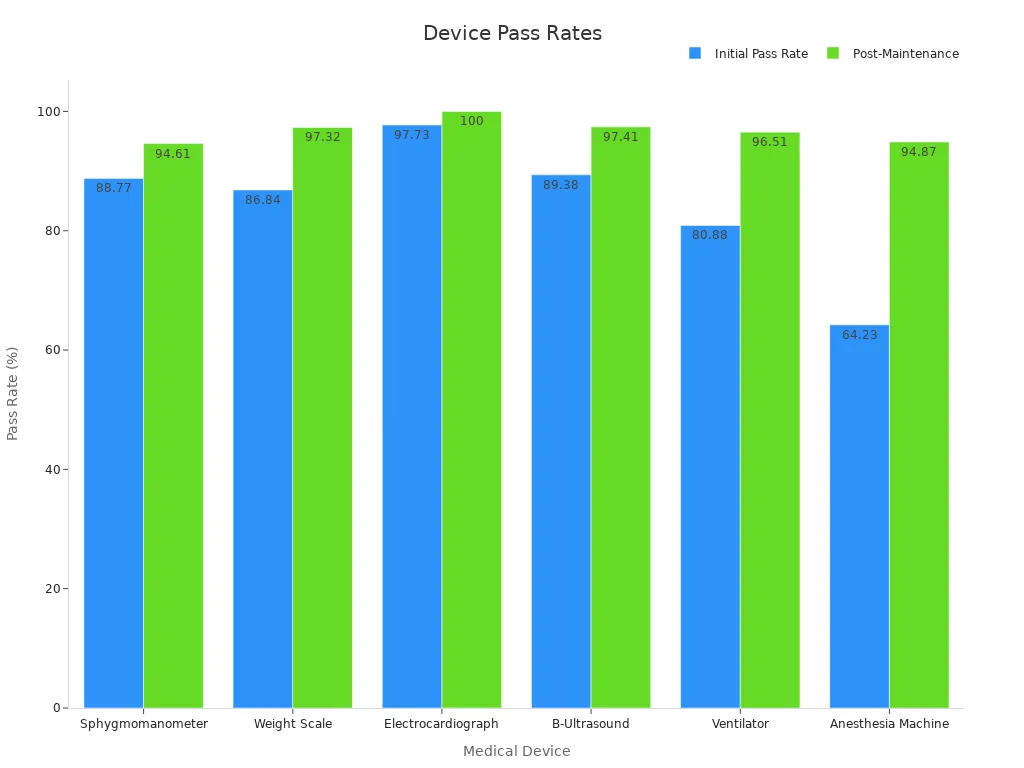
The data shows that after quality assurance, devices work better. More devices pass checks after maintenance. This means they are safer for patients. In medical PCB assembly, reliability is a must. It keeps people safe and builds trust.
Medical Standards
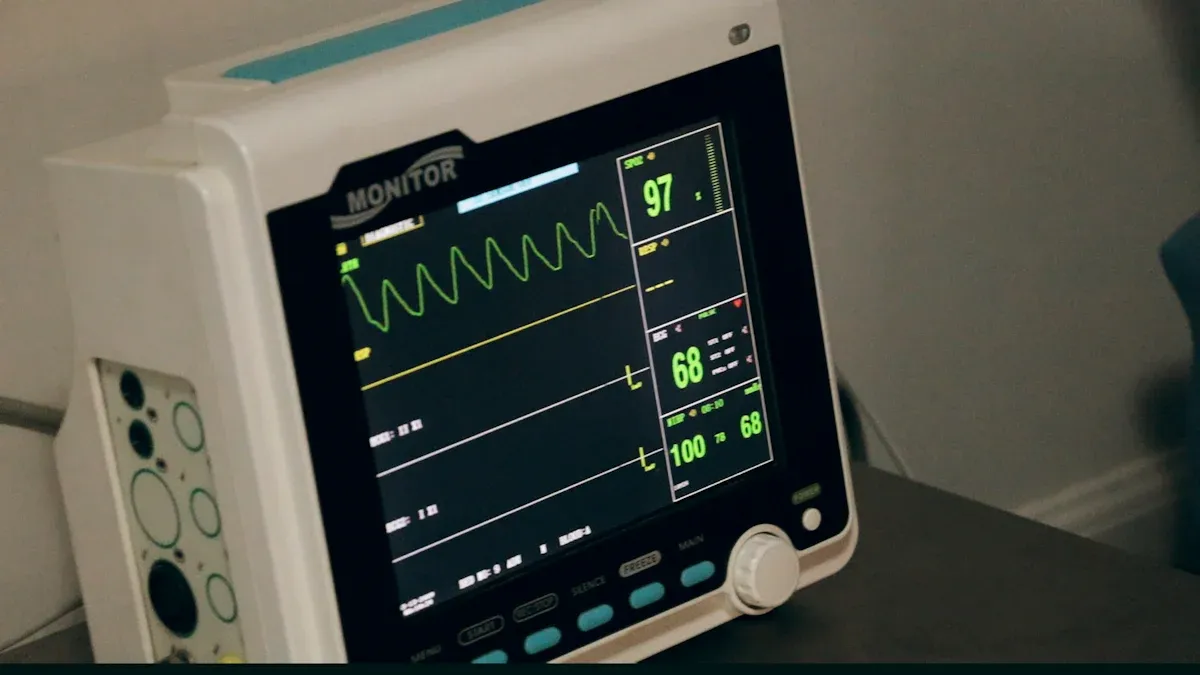
Medical PCB assembly must follow strict rules. These rules help keep devices safe and reliable. Standards tell companies how to make printed circuit boards for medical use. Each rule covers a different part of quality. Some focus on design, others on how things are made or their effect on the environment. When companies follow these rules, they meet medical laws. This helps them give safe products to patients.
ISO 13485
ISO 13485 is the main rule for making medical devices. It tells companies how to manage quality at every step. This includes design, making, and delivery. Companies must write down their steps and keep good records. They also need to check for risks. ISO 13485 says companies must have regular checks and always try to get better. When companies follow ISO rules, they show they care about safety. Hospitals trust devices made with these rules. They know the devices meet tough safety rules.
Note: ISO 13485 helps companies get approval faster and sell in more places.
IPC-A-610 Class 3
IPC-A-610 Class 3 is the top rule for checking electronics in important devices. It looks at how things look, how solder is done, and where parts go. The rule says solder must be perfect and parts must be in the right place. Surfaces must be clean. Class 3 also wants strong builds and clear labels so you can track parts.
-
-
Solder joints must be strong and shaped right
-
No empty spots or bridges in solder
-
Boards must be clean with no leftover flux
-
Parts must be put on right and not stressed
-
Markings must be clear for tracking
-
Workers get special training to meet these rules. Companies use numbers and checks to control the process. IPC-A-610 Class 3 makes sure medical parts last a long time. This helps keep devices safe and working well.
FDA 21 CFR Part 820
FDA 21 CFR Part 820 is the rule for making medical devices in the U.S. It says companies must write down how they design, make, and test devices. The rule covers how to handle papers, fix problems, and deal with complaints. The FDA checks factories to make sure they follow the rules.
Companies must keep good records to show they follow the law. This helps find problems and stop them from happening again. By following FDA 21 CFR Part 820, companies keep patients safe. They also make sure devices work well.
RoHS
RoHS is a rule that stops the use of harmful stuff in electronics. It bans things like lead, mercury, and cadmium. These can hurt people and the earth. RoHS says companies must use safe solder and finishes on boards.
-
RoHS compliance brings several benefits:
-
It keeps soil and water safe when devices are thrown away
-
It helps companies look good and sell more
-
It needs good records and tracking for all parts
Companies test their materials and keep papers to prove they follow RoHS. RoHS helps keep people and nature safe. It is an important rule for medical devices today.
Tip: Using RoHS with other iso rules keeps products safe and helps the planet.
Medical PCB assembly uses these rules to make safe and reliable devices. By following these rules and testing, companies lower risks. This builds trust in healthcare.
Testing and Quality Assurance
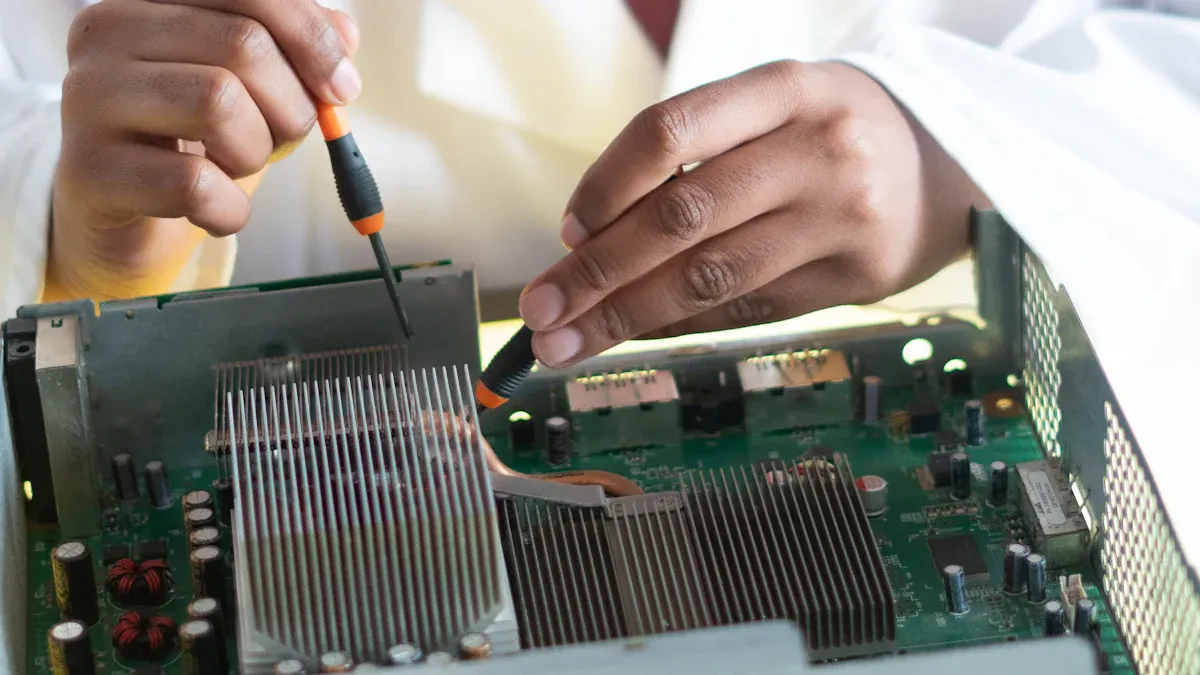
Medical PCB assembly needs careful testing and checking. This makes sure every device is safe and works well. Makers test at each step to find problems early. This helps them make strong and reliable electronics.
In-Circuit Testing
In-circuit testing looks at each part on the PCB. It checks if parts are in the right place and working. Test probes measure things like resistance and capacitance. They also check signal paths. This finds problems like bad solder, missing parts, or broken connections. These are fixed before moving to the next step.
Functional Testing
Functional testing checks if the PCB works in real life. Engineers use plans and tools to act like the device is being used. They look at:
-
Power supply working right
-
Good signal quality
-
Communication using I2C, SPI, and UART
-
How it works in different environments
Automated Functional Testing (AFT) helps test many boards fast. It finds problems early and stops recalls or extra work. It also makes sure the device meets rules and what customers want.
|
Purpose |
Instrumentation |
|
|---|---|---|
|
Design Integrity Verification |
Checks operation against design specs |
Comparison tools |
|
Functional Parameters |
Tests signals, waveforms, and communications |
Oscilloscopes, multimeters |
|
Pass/Fail Criteria |
Automated go/no-go decisions |
Automated test systems |
Burn-In Testing
Burn-in testing puts PCBs under stress for a long time. It uses high heat and voltage to find weak boards. This finds early failures, called "infant mortality." Data shows burn-in testing can lower defects to 30 parts per million. Makers use math to pick how long to test. This keeps devices safe for patients.
AOI
Automated Optical Inspection (AOI) uses cameras and software to look for problems. AOI checks for missing parts, solder bridges, and if things are lined up. This step is fast and can be done many times. It helps find mistakes before the last assembly.
X-Ray Inspection
X-ray inspection, like 3D Automated X-ray Inspection (AXI), looks inside the board. It finds hidden problems like voids, bridges, and parts out of place. These are hard to see with just eyes, like under BGAs. Makers use X-ray to make soldering better and keep quality high. Inline X-ray checks many boards quickly and finds more problems.
NOVA PBCA’s Quality Assurance Advantages
NOVA PBCA is very good at medical PCB assembly for many reasons:
-
They work with the same PCB and PCBA factories for over 10 years. This keeps quality steady.
-
ERAI membership means their parts are real and good quality.
-
Their strong supply chain keeps making parts without stopping.
-
They work with engineers from big companies for expert checks.
These things help NOVA PBCA make safe and reliable electronics that meet tough medical rules.
Documentation and Controls
Traceability
Traceability is very important for medical PCB assembly. Each device gets its own special number. This number stays with the device from start to finish. Calibration records show each tool matches national standards. This makes sure measurements are right. Good records help teams follow every step, from field work to storage.
Strong traceability systems help meet ISO 13485 and FDA 21 CFR 820.30 rules. These systems keep data safe and control versions. They also help teams get ready for audits and keep quality steady. When companies use 3D AOI, they get fewer mistakes and better tracking. This makes customers trust them more and helps find problems faster.
|
Traceability & Control Aspect |
Description |
|---|---|
|
Unique Identification |
Each measurement device gets a special ID for tracking. |
|
Calibration Traceability |
Devices checked with better tools that follow national rules. |
|
Data Documentation |
Full records let teams see all data from field to storage. |
|
Methodology Documentation |
Teams use approved test methods or explain new ones. |
|
Performance Audits |
Teams join audit programs to check quality. |
|
Corrective Actions |
Teams act fast when data is bad; steps and jobs are clear. |
|
Internal Controls |
Rules and steps help stop problems before they start. |
By following IPC-6012 and IPC-A-600, companies make better PCBs with fewer problems. This helps them follow the rules and beat other companies.
Procedural Controls
Procedural controls help teams at every step of making medical PCBs. Teams use the same report forms with pictures and diagrams. Automatic data logging stops mistakes and helps track parts. Clear codes and notes help teams fix problems fast.
Regular checks and reviews find problems that happen again and again. Companies look for the main cause and fix it so it does not come back. Special software collects data and gives quick reports.
|
Procedural Control |
Statistical Evidence / Benefit |
|---|---|
|
Defect Trend Analysis (SPC) |
|
|
Early Defect Detection (AOI, X-ray) |
Rework drops by 50% or more |
|
Automation |
Labor costs go down by up to 40% |
|
Continuous Improvement & DFM |
Lead times get shorter by 15–30% |
|
Multi-Stage Quality Gates |
Early checks help more devices pass the first time |
|
Employee Training & Certification |
More devices pass first checks and cost less to make |
|
Traceability Systems |
Teams find and fix problems faster, so they do not repeat |
These controls keep quality steady and help teams fix problems fast. Using digital records makes talking and sharing easier and saves money. Always trying to get better, like with Lean and Six Sigma, helps keep high standards.
Regulatory Challenges
Medical PCB assembly has many rules to follow. These rules change a lot and need close attention. Companies must keep up with new standards and laws. If they do not, they can lose money or have to recall products. Not following the rules can also mean they cannot sell in some places.
Compliance Strategies
Companies use different ways to follow medical device rules. They use computers to keep records correct and current. This helps them show they follow rules during checks. Workers get training often to learn new rules. They check that all parts from suppliers meet the same rules. Teams use tracking to see changes in rules fast.
-
Risk management uses ISO 14971 to find and lower risks.
-
Training helps workers know about new rules.
-
Supplier checks make sure all parts follow the rules.
-
Tracking keeps safe records for checks.
-
Real-time tracking helps teams get ready for audits.
-
Digital tools help work faster and make fewer mistakes.
Getting approvals on time shows these ways work. Good records and checking rules at every step stop delays and extra tests.
Risk Management
Risk management is very important in medical PCB assembly. Companies look for risks early and try to stop them. They use ISO 14971 to help with this. CAPA systems help teams fix problems and stop them from happening again. In 2018, about one out of three FDA 483 Letters were about CAPA problems. This shows companies need strong risk and rule systems.
Companies use e-QMS to watch risks and actions. These systems help teams answer reports and keep up with new rules. Watching all the time and using digital tools helps stop problems and keeps products safe.
Best Practices in Medical PCB Assembly
Prototyping
Prototyping is a very important step in making medical devices. Engineers use rapid prototyping to test printed circuit boards before making a lot of them. This helps teams find mistakes in the design early. Electrical testing looks for short circuits and open spots. Thermal analysis checks how heat moves through the board. Signal integrity testing finds voltage drops and noise. Functional testing acts like the device is being used for real. Teams do these tests many times to make the design better. Rapid prototyping can make development twice as fast. It also saves money by stopping costly changes later. Using these steps, teams make reliable products more quickly.
Tip: Doing prototyping early and often makes designs better and stops expensive mistakes in medical device electronics.
Supplier Management
Supplier management is very important for good PCB assembly. Teams pick suppliers with strong records in medical technology. They check for ISO 13485 and IPC Class 3 certifications. Teams do regular audits and use scorecards to watch supplier performance. They look at defect rates, on-time delivery, and if suppliers follow medical standards. The table below shows important ways to measure supplier performance:
|
KPI Category |
KPI |
Target Value |
|---|---|---|
|
Quality |
Defect Rate |
Near zero |
|
Compliance Rate |
100% |
|
|
Delivery |
On-Time Delivery Rate |
≥ 95% |
|
Order Fulfillment Accuracy |
≥ 99% |
|
|
Financial |
Cost Variance |
Minimal |
|
Compliance |
Document Compliance Rate |
100% |
|
Performance |
Supplier Responsiveness |
Within 24 hours |
Supplier audits and action plans help teams fix problems fast. This way, teams always have safe parts for medical devices, even if there are shortages or old parts.
Continuous Improvement
Continuous improvement helps teams do better in medical PCB assembly. Teams use lean methods and real-time data to find problems early. Automated optical inspection and process control help lower defects. Over time, these steps can raise yield rates to 95% and cut costs by 20%. Production gets faster and more accurate. Teams watch warranty claims and customer feedback to make changes. When rules change, teams update their steps to follow them. This focus on getting better helps make safer and more reliable medical devices.
Note: Continuous improvement helps teams keep up with new rules and technology, so products stay safe and work well.
Quality assurance in medical PCB assembly keeps patients safe and follows the rules. Studies show that strong quality checks, like functional testing and performance checks, help lower mistakes and risks.
-
Careful testing and checking help stop errors during making.
-
Certifications like ISO 9001 and AS 9100 help meet tough medical rules.
-
Prototyping and skilled engineers make devices work better and save money.
ISO 13485 certification adds risk management and traceability, so medical devices are safer. Teams should always try to get better and learn about new rules.
FAQ
What is the most important standard for medical PCB assembly?
ISO 13485 is the main standard. It has strict rules for making medical devices. Companies that use ISO 13485 care about safety and reliability.
How does automated optical inspection (AOI) help quality assurance?
AOI uses cameras and computer programs to look for missing parts. It also checks for solder problems and if things are lined up right. AOI finds mistakes fast and helps teams fix them before the device is finished.
Why is traceability critical in medical PCB assembly?
Traceability lets teams follow every part and step. This helps them find problems quickly and do recalls if needed. Good traceability also meets FDA and ISO rules.
How do companies choose reliable suppliers for medical PCBs?
Companies look at supplier certificates and check how they did before. They do regular checks and use scorecards to watch for defects and delivery times. Good suppliers help keep quality high and lower risks.