Your 2025 Guide to Buying Genuine HiSilicon Chips
You can protect your projects from fake chips. The most effective strategy is managing your suppliers well and sourcing comp
You can protect your projects from fake chips. The most effective strategy is managing your suppliers well and sourcing components only from authorized distributors. The market for counterfeit electronics is massive, causing significant financial damage.
| Sector | Estimated Annual Loss |
|---|---|
| Semiconductor Business | $75 billion |
| Consumer and Industrial Businesses | $250 billion |
This guide provides a step-by-step process for inspecting and verifying components. Use this toolkit to secure genuine HiSilicon chips and shield your work from the risks of counterfeits and fake chips. A single counterfeit part can compromise your entire system.
Key Takeaways
- Always buy HiSilicon chips from official distributors. This guarantees you get real parts and avoids fake ones.
- Inspect packaging and chip markings carefully. Look for clear labels and precise text to spot counterfeit chips.
- Verify all documents like the Certificate of Conformance. Make sure the chip's ID matches its paperwork.
- Use advanced lab tests for important projects. This extra step confirms chip authenticity for critical uses.
- Watch for red flags like very low prices or vague delivery times. These signs often mean a supplier sells fake chips.
STEP 1: HOW TO SOURCE GENUINE HISILICON CHIPS
Your sourcing strategy is the first line of defense against fake chips. Proper component sourcing protects your entire project from failure. This step focuses on finding and vetting suppliers to ensure you only purchase genuine HiSilicon chips.
WHY AUTHORIZED SOURCES MATTER
Authorized distributors get their stock directly from the manufacturer. This direct link guarantees you receive genuine chips. These suppliers follow strict quality standards, often holding certifications like ISO 9001. They provide complete traceability documents. This paperwork proves the component's origin and path through the supply chain. Working with official partners is the most reliable way to avoid a costly counterfeit problem. A single batch of counterfeit chips can ruin your production schedule and budget.
FINDING OFFICIAL DISTRIBUTORS
You can easily find official distributors. HiSilicon provides a dedicated online portal for this purpose. You can find a list of approved sales partners at https://www.hisilicon.com/en/WhereToBuy.
To locate a trusted supplier, you should:
- Navigate to the official HiSilicon website.
- Locate the 'How to Buy' section.
- Select the 'Sales Partners' link to view the list.
💡 Tip: Always cross-reference any potential supplier with this official list. If a company is not listed, you should not purchase from them. This simple check prevents you from buying fake chips.
RISKS OF THE GRAY MARKET
The gray market includes unauthorized sellers, brokers, and independent distributors. Sourcing from these channels is extremely risky. These sellers often acquire parts from questionable sources, making it a prime entry point for counterfeit components.
| Risk | Description |
|---|---|
| No Guarantee 🛡️ | You have no assurance that the parts are authentic. |
| High Failure Rate 📉 | Fake chips often fail under normal operating conditions. |
| No Warranty 🚫 | Unauthorized sellers do not offer warranties or support. |
These suppliers cannot provide a clear paper trail back to the factory. This lack of transparency is a major red flag. You risk receiving a counterfeit part that can cause system failures or security breaches. Your best strategy for sourcing genuine hisilicon chips is to avoid the gray market entirely.
STEP 2: CONDUCT RIGOROUS INSPECTIONS
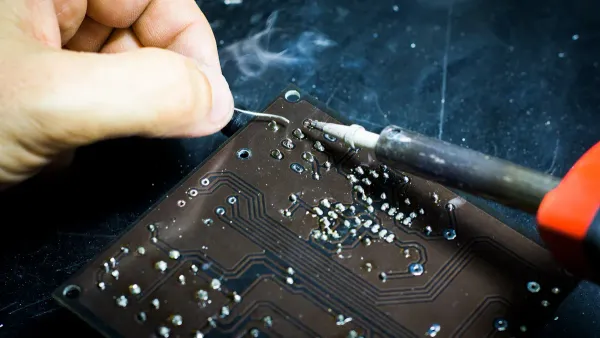
After sourcing your components, you must perform a visual inspection. This is your easiest and most effective first check for fake chips. A careful look at the packaging and the chips themselves can reveal many signs of a counterfeit part. This step helps you spot problems before the components enter your production line.
EXAMINE FACTORY PACKAGING
Genuine HiSilicon chips arrive in high-quality, factory-sealed packaging. You should check the packaging for any signs of tampering.
- Look for consistent branding and logos.
- Ensure the moisture-sensitive bags are properly sealed.
- Check that labels are clear, professionally printed, and match your order.
⚠️ Alert: Damaged seals, misspelled words, or low-quality printing are major red flags. These signs often indicate that the package contains counterfeit chips and was not handled by an authorized source.
INSPECT CHIP MARKINGS
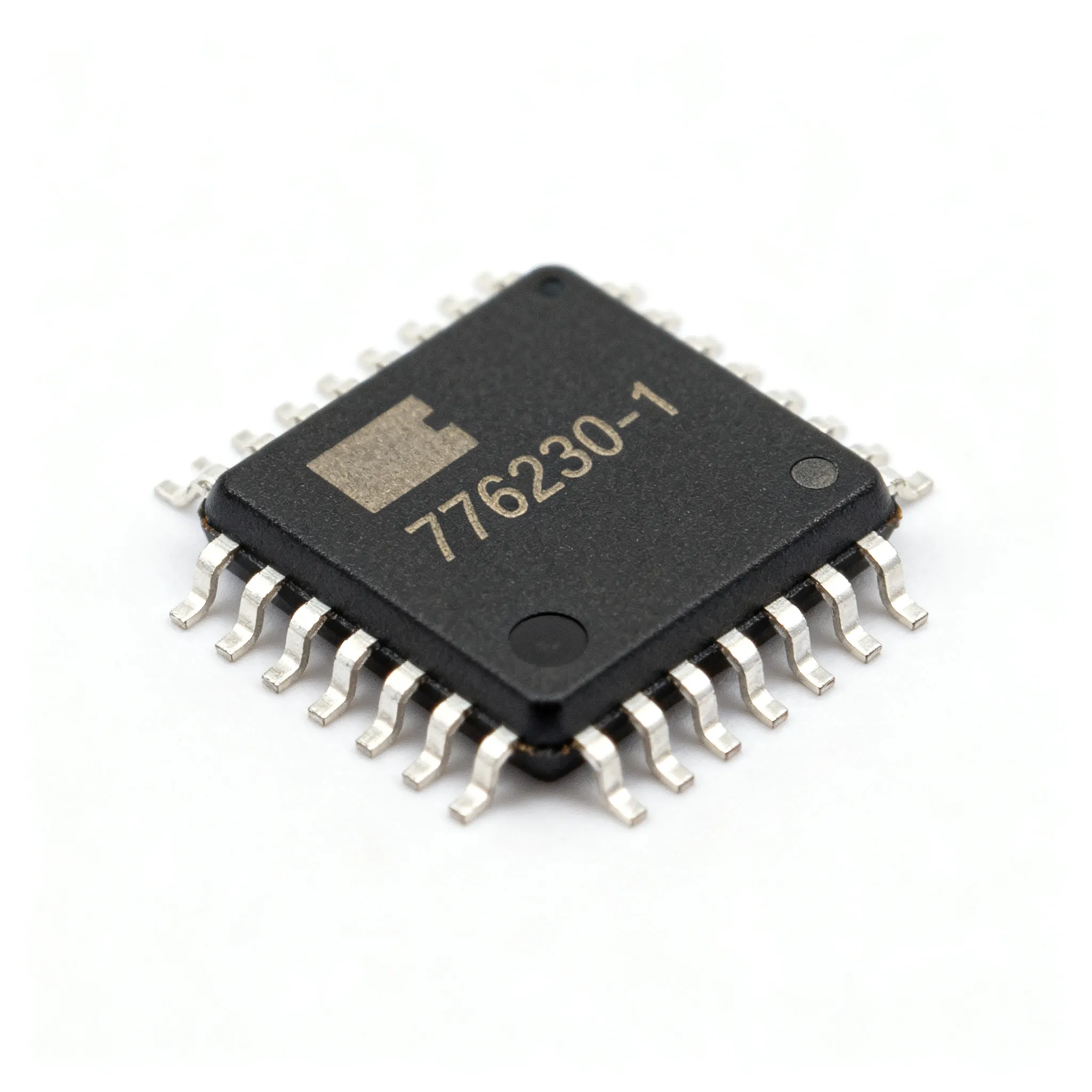
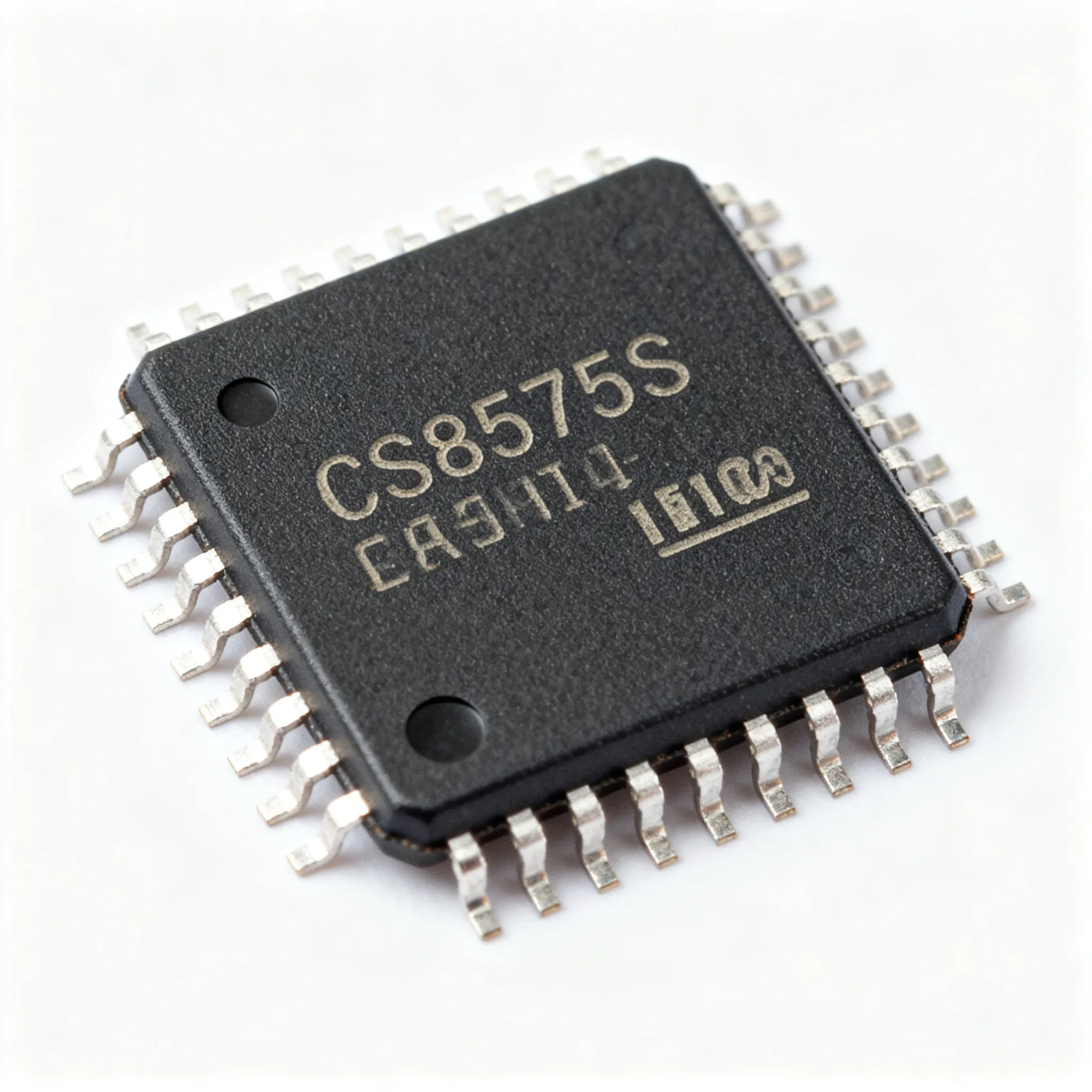
Next, you should inspect the markings on the chip itself. Authentic chips have precise, laser-etched markings. The text should be sharp and easy to read. Compare the part numbers, logos, and fonts to official HiSilicon datasheets. Any inconsistency suggests you may have fake chips. A counterfeit component will often have blurry or inconsistent text.
CHECK PHYSICAL CHARACTERISTICS
You need to examine the physical condition of the chip. Look for any deformities or signs of resurfacing. Some counterfeiters use a technique called "blacktopping." They sand off the original markings and apply a new polymer coat to hide the changes. This makes the component look like a different part.
You can spot blacktopping by looking for:
- Uneven or dull surfaces instead of a uniform finish.
- Filled-in indents where old logos were removed.
- A mismatched paint texture compared to a known genuine chip.
These simple physical checks are crucial for identifying counterfeit chips. A Scanning Acoustic Microscope can even reveal old laser etchings under the new surface, but your eyes can often spot the initial warning signs.
STEP 3: VALIDATE DOCUMENTATION AND TRACEABILITY
Visual checks are a great start. Your next step is to validate the paperwork. Authentic suppliers must provide proof of genuineness. This documentation confirms the chip's origin and proves you are receiving genuine chips. A lack of proper paperwork is a clear sign of a potential counterfeit component. You should always review the official datasheet for component specifications.
VERIFY THE CERTIFICATE OF CONFORMANCE
A Certificate of Conformance (CoC) is a document from the supplier. It states that the components meet your required specifications. However, a counterfeit seller can easily fake this document. You must verify its authenticity. The official datasheet provides a baseline for expected performance.
You can confirm a CoC by:
- Searching for the certificate number on the issuer's official website.
- Emailing the issuing company directly to ask for verification.
- Requesting supporting documents from both the issuer and your supplier.
- Considering the reputation of the company that issued the certificate.
💡 Tip: If you cannot verify the certificate, you should assume it is invalid. A valid CoC should align with the product details found in the datasheet.
MATCH CHIP ID TO DOCUMENTS
Traceability connects a physical chip back to its origin. You can achieve this by matching unique identifiers. Look for lot codes, date codes, or serial numbers on the chips themselves. Then, compare these codes to the numbers listed on the CoC and the packaging labels. The information must match perfectly. Using datasheets helps you understand where to find these codes on the chip.
| Document | What to Match |
|---|---|
| Chip Surface | Lot Code, Date Code |
| Certificate of Conformance | Lot Code, Part Number |
| Packaging Label | Lot Code, Part Number |
This matching process confirms the parts in your hand are the same ones certified by the supplier. The datasheet is your guide for part numbers. The datasheet confirms technical details. The datasheet is essential.
DEMAND A FULL PAPER TRAIL
A single document is not enough. You need a complete paper trail. This trail includes the purchase order, the supplier's CoC, and any factory testing reports. This full set of documents shows the chip's journey from the manufacturer to you. A trustworthy supplier will provide this information without hesitation. Refusal to share this history is a major red flag. It suggests the supplier is hiding a broken chain of custody, a common problem with counterfeit parts. A complete paper trail is your best defense for getting genuine chips. The datasheet is a key part of this trail. The datasheet is your reference. The datasheet is critical.
STEP 4: USE ADVANCED VERIFICATION
Visual checks and document validation are strong tools. Sometimes, you need a deeper level of certainty. Advanced verification uses specialized labs to confirm authenticity. This step is your final, most powerful defense against sophisticated counterfeit chips.
WHEN TO USE THIRD-PARTY LABS
You should use third-party testing for high-value orders or critical projects. For industries like aerospace or medical, this testing is often a mandatory step for compliance. Certifications like Nadcap require it for certain components. A report from a recognized lab like UL Solutions also reduces risk, even when not required. It shows you performed due diligence in your sourcing process.
💡 Tip: Always request samples from a new supplier for testing. You can verify the parts before committing to a large purchase order. This small step can save you from a major problem.
OVERVIEW OF TESTING METHODS
Labs use several methods to spot a counterfeit component. Each test looks for different signs of fraud. The official datasheet is a critical reference for all these tests. The datasheet provides the baseline for comparison. The datasheet is your guide. The datasheet is your standard. The datasheet is your benchmark. The datasheet is your tool. The datasheet is your resource. The datasheet is your document. The datasheet is your specification.
- X-ray Inspection: This test looks inside the chip without damaging it. An X-ray can reveal if the internal die size or wire bonding is inconsistent with a known good part, which the datasheet specifies. This is a fast way to find problems.
- Decapsulation: This process chemically removes the chip's plastic casing to expose the internal die. Technicians then inspect the die for manufacturer markings and layouts. This method is very effective at identifying reused components or counterfeit ASICs.
- Electrical Testing: This test checks if the chip performs according to the electrical parameters in the datasheet. A counterfeit chip will often fail these performance tests.
Testing costs can range from $10 per component for simple checks to over $5,000 for complex systems.
CHOOSING A TESTING PARTNER
You must choose a reputable testing partner to get reliable results. A good lab will have the right certifications and experience. Look for labs with ISO/IEC 17025 accreditation. This certification shows the lab is competent to perform tests and produce valid data. Companies like SMT Corp. specialize in counterfeit mitigation and follow industry standards to identify fake parts. Working with an expert partner ensures you can confidently separate genuine chips from a well-made counterfeit. This final check protects your project's integrity and performance.
RED FLAGS OF A COUNTERFEIT SUPPLIER
You can often spot a bad supplier before you even place an order. Your sourcing process should include looking for warning signs. Knowing these red flags helps you avoid sellers of counterfeit chips and protect your supply chain.
UNREALISTICALLY LOW PRICES
If a price seems too good to be true, it probably is. A supplier offering HiSilicon chips far below the market rate is a major warning sign. These sellers often move low-quality fake chips or recycled components. A legitimate distributor has standard pricing based on the manufacturer's costs.
⚠️ Alert: An unusually low price is the most common bait used to sell a counterfeit component. Always compare prices against authorized distributors to get a realistic baseline. This simple check can save you from buying counterfeit chips.
UNUSUAL LEAD TIMES
You should pay close attention to delivery promises. Be cautious of two extremes:
- Too Fast: A supplier claims to have large quantities of a rare or obsolete chip ready to ship immediately. This often means they are selling fake chips.
- Too Vague: The seller gives you a very long or uncertain lead time. This may indicate they do not actually have the parts and are scrambling to find them from unreliable sources.
REFUSAL TO PROVIDE PROOF
A trustworthy supplier will always provide documentation. You should ask for a Certificate of Conformance (CoC) and traceability records. If a seller hesitates or refuses, you should walk away. This refusal is a clear sign they are hiding something. They know their parts, which could be counterfeit ASICs, cannot pass inspection. A refusal to provide proof is a direct admission of risk.
POOR COMMUNICATION
Professionalism matters. You should watch for unprofessional emails with spelling errors or vague answers to your technical questions. A reliable partner communicates clearly and promptly. Poor communication suggests the supplier is not a serious business. This lack of professionalism is a strong indicator of a high-risk counterfeit supplier. You should not trust them with your project or your money.
You prevent counterfeit problems with diligent supplier management and a multi-step verification process. This is the most cost-effective way to avoid fake chips and get genuine HiSilicon chips.
- Buy only from authorized distributors.
- Perform thorough visual and documentation checks.
- Use advanced testing when stakes are high.
Your vigilance is the best defense against the operational failures and security risks posed by a counterfeit component. A single counterfeit part can ruin your work. This process protects you from fake chips and ensures your project's success.
FAQ
What is the single most important step to avoid fake chips?
You should purchase components exclusively from authorized distributors. This is the most effective way to guarantee you receive genuine HiSilicon chips. Always verify your supplier against HiSilicon's official list of sales partners. This simple action protects your project from counterfeit risks.
Are cheap HiSilicon chips always counterfeit?
Extremely low prices are a major red flag 🚩. While not every cheap chip is fake, prices far below the market rate often indicate counterfeit or low-quality parts. You should always compare a supplier's price against quotes from official distributors to spot unrealistic deals.
Can I trust a supplier if they provide a Certificate of Conformance (CoC)?
You should not trust a Certificate of Conformance alone. Counterfeiters can easily fake these documents. You must verify the CoC with the issuing body. Always demand a full paper trail to confirm the chip's origin and path through the supply chain.
Do I need to send every chip for lab testing?
No, you do not need to test every component. You should use advanced lab testing for high-value orders or critical applications, such as in medical or aerospace projects. For most purchases, rigorous visual inspection and document validation are sufficient to ensure authenticity.