How to Use the BT151 Rectifier for Circuit Design and Applications
You often need a reliable component for switching and rectification in your projects. The bt151 rectifier gives you this power. As a medium power bt151 SCR, it works well in both home and industrial settings.
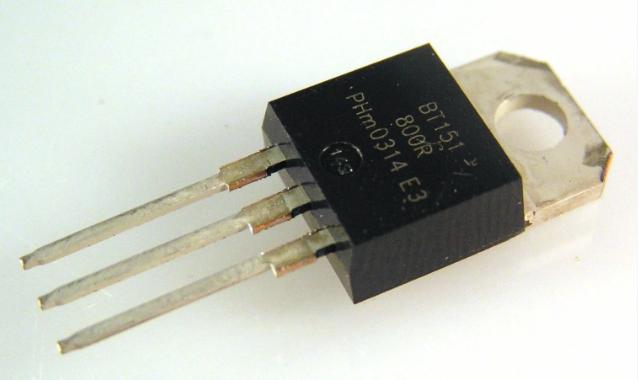
You often need a reliable component for switching and rectification in your projects. The bt151 rectifier gives you this power. As a medium power bt151 SCR, it works well in both home and industrial settings. This silicon-controlled rectifier lets you control high currents with ease. You should know the pinout and datasheet details before you use the bt151. The bt151 scr stands out among thyristor devices for its stable operation. Many engineers trust this controlled rectifier for safe and steady power control. If you want to learn how to use the bt-151 scr, start by understanding its role as a thyristor. The bt151 scr helps you manage power in any rectifier or circuit. You can count on the bt151 for your next thyristor project. When you learn how to use bt151, you unlock new ways to improve your circuit designs using a scr.
Key Takeaways
-
The BT151 SCR can handle a lot of power safely. It works well in home and factory circuits.
-
You need to know the right pinout. Pin 1 is Gate. Pin 2 is Anode. Pin 3 is Cathode. This helps you connect it the right way.
-
Always look at the datasheet for voltage and current limits. Check other specs too. This stops the device from getting damaged.
-
Use a small gate current to turn on the BT151. Add heat sinks and snubber circuits to keep it safe.
-
The BT151 works well for light dimmers and motor speed control. It is also good for ignition and protection circuits.
BT151 SCR Overview
Features
The bt151 scr is made to be strong and reliable. Many people use this silicon-controlled rectifier in different circuits. It is good for projects that need a medium power thyristor. The bt151 uses a TO-220AB package. This makes it simple to put on a heatsink. Here are some important features:
-
Can handle up to 650V between anode and cathode
-
Can carry up to 12A RMS current
-
Can give up to 120A in pulsed DC
-
Needs only 15mA gate trigger current
-
Has a holding current of up to 20mA
-
Latching current is up to 40mA
-
Uses a TO-220AB package for easy setup
The bt151 scr can control high voltages and currents. This makes it a good choice for both new and skilled engineers who use thyristors.
Benefits
There are many good things about using the bt151 in your projects. This scr gives you steady switching and rectification. It helps you control power in a safe way. The bt151 works in both home and industrial circuits. You can use this thyristor for dimmers, motor controllers, or protection circuits. The low gate trigger current lets you use simple logic circuits to drive the bt151 scr. It also reacts fast and can handle big surges, so your circuits stay safe. Many people pick this controlled rectifier because it lasts long and works well. If you need a silicon-controlled rectifier for hard jobs, the bt151 is a great choice.
Tip: Always read the datasheet before using the bt151 scr. This helps you avoid errors and keeps your circuit safe.
BT151 Pinout
Pin Functions
You need to know the pin functions before you use the BT151 SCR in your circuit. The BT151 SCR has three main pins. Each pin has a special job in the device.
-
The anode is the pin where current enters the SCR. You connect this pin to the positive side of your circuit. The anode acts as the main input for charge carriers.
-
The cathode is the pin where current leaves the SCR. You connect this pin to the negative side of your circuit. The cathode helps control the flow of electrons. Good design at this pin keeps resistance and heat low.
-
The gate is the control pin. You use the gate to turn the SCR on. A small voltage at the gate triggers the device. This lets you control when the SCR starts to conduct.
You find these pins on the TO-220 package. Knowing the bt151 pinout helps you connect the SCR the right way. If you mix up the pins, your circuit will not work as planned. Always check the datasheet for the correct bt151 scr pinout before you start building.
Note: The gate pin only needs a small current to trigger the SCR. This makes it easy to control with logic circuits or microcontrollers.
Pinout Diagram
You can use this simple pinout diagram to help you wire the BT151 SCR:
-
Pin 1: Gate (G)
-
Pin 2: Anode (A)
-
Pin 3: Cathode (K)
Here is a quick reference table for the BT151 SCR pinout:
|
Pin Number |
Name |
Function |
|---|---|---|
|
1 |
Gate |
Trigger input |
|
2 |
Anode |
Main current input |
|
3 |
Cathode |
Main current output |
When you follow the correct pinout, your circuit will work safely and efficiently.
BT151 Datasheet
Before you use the BT151 SCR, you should look at the datasheet. The datasheet shows important details and ratings for the device. You can find the datasheet pdf online if you want more information. Reading the datasheet helps you avoid mistakes and keeps your circuit safe.
Key Specifications
You should check the key specifications of the BT151 SCR. These details show how the device works in your circuit. Here are some of the most important specifications you will see:
-
Repetitive Peak Off-State Voltage (VDRM): 400V to 800V
-
RMS On-State Current (IT(RMS)): 12A
-
Peak Gate Trigger Current (IGT): 15mA
-
Holding Current (IH): 20mA
-
Latching Current (IL): 40mA
-
Package Type: TO-220AB
These specifications help you decide if the BT151 is right for your project. Always compare the datasheet numbers with what your circuit needs. If you want more details, check the datasheet pdf for extra information.
Tip: Use the datasheet’s table to check your design values.
Maximum Ratings
You need to know the maximum ratings to keep your BT151 SCR safe. If you go over these numbers, you might break the device. The datasheet lists these ratings to help you protect your circuit.
|
Parameter |
Value |
Unit |
|---|---|---|
|
Repetitive Peak Voltage |
650 |
V |
|
RMS On-State Current |
12 |
A |
|
Surge Peak On-State Current |
120 |
A |
|
Gate Trigger Current |
15 |
mA |
|
Storage Temperature Range |
-40 to +150 |
°C |
You should always stay under these maximum ratings. The datasheet gives you these limits so you can build a safe and strong circuit.
Circuit Design with BT151 Rectifier

Typical Circuits
You can use the BT151 rectifier in many different circuits. This thyristor works well in projects that need power control. Here are some common ways you can use the BT151 SCR:
-
Light Dimmer Circuit
You can build a simple light dimmer using the BT151. In this circuit, the thyristor controls how much power reaches the lamp. You adjust the brightness by changing the trigger point of the SCR. This setup helps you save energy and extend the life of your bulbs. -
AC Rectifier Circuit
The BT151 rectifier can turn AC into DC. You use the thyristor to control the flow of current. This circuit is useful when you need a controlled DC output from an AC source. The BT151 SCR gives you stable and reliable rectification. -
Motor Speed Controller
You can use the BT151 to control the speed of small motors. In this circuit, the thyristor acts as a switch. You change the speed by adjusting the gate signal. This method gives you smooth control over the motor.
Here is a simple code block that shows how you might connect the BT151 SCR in a basic AC rectifier circuit:
AC Source
   |
  [Load]
   |
  Anode (BT151)
   |
 Cathode (BT151)
   |
  Ground
Gate (BT151) <-- Trigger Pulse
Tip: Always use a snubber circuit (a resistor and capacitor in series) across the BT151 to protect it from voltage spikes.
Design Tips
You want your circuit to work safely and reliably. Here are some tips to help you get the best results with the BT151 rectifier:
-
Use Proper Gate Drive
Make sure you use the right gate trigger current. The BT151 SCR needs only a small current at the gate. You can use a simple logic circuit or a microcontroller to send the trigger pulse. This makes the thyristor easy to control. -
Add Heat Sinks
The BT151 can handle high currents, but it gets hot. Attach a heat sink to the device. This step keeps the thyristor cool and prevents damage. -
Protect Against Surges
Use a snubber circuit to protect the BT151 from sudden voltage changes. This circuit helps the thyristor last longer. -
Check the Load Type
The BT151 works best with resistive or inductive loads. If you use it with a motor or transformer, make sure you add protection for back EMF. -
Test Before Final Use
Build your circuit on a breadboard first. Test the BT151 SCR with your load. This step helps you find problems before you make a final version.
Here is a table that shows common issues and how you can solve them:
|
Problem |
Solution |
|---|---|
|
SCR does not trigger |
Check gate current and wiring |
|
Device overheats |
Add or improve heat sink |
|
False triggering |
Use a snubber circuit |
|
No output to load |
Check load and connections |
Note: Always read the datasheet for the BT151 before you start your project. This habit helps you avoid mistakes and keeps your circuit safe.
You can use the BT151 rectifier in many ways. When you follow these tips, your thyristor circuits will work better and last longer.
BT151 Rectifier Applications
You can use the BT151 rectifier in many real-world applications. This thyristor works well in both home and industrial settings. You will find it in circuits that need strong and reliable power control. The BT151 SCR gives you a simple way to manage high currents and voltages. Let’s look at some of the most common uses.
Power Control
You often need to control the amount of power that flows to a device. The BT151 rectifier helps you do this with ease. You can use this thyristor in light dimmers. When you turn the knob on a dimmer, you change the trigger point of the SCR. This action lets you set the brightness of your lamp. You save energy and make your bulbs last longer.
You also see the BT151 in motor speed controllers. You can use the thyristor to adjust how fast a fan or small motor spins. By changing the gate signal, you set the speed you want. This method gives you smooth and steady control. You do not need complex electronics to get good results.
In heating systems, you can use the BT151 to control the temperature. The SCR switches the heater on and off very quickly. This action keeps the temperature steady. You get better comfort and save energy at the same time.
Tip: Always use a snubber circuit with the BT151 when you control inductive loads like motors or transformers. This step protects the thyristor from voltage spikes.
Switching Uses
The BT151 also works well as a switch in many circuits. You can use this thyristor in ignition circuits for gas stoves or boilers. When you press the ignition button, the SCR lets a surge of current flow. This surge creates a spark to light the burner. The BT151 handles this job because it can take high surge currents.
You will find the BT151 in protection circuits. When a fault happens, the thyristor can quickly disconnect the load. This action keeps your devices safe from damage. You can also use the BT151 in crowbar circuits. These circuits protect sensitive electronics by shorting the supply if the voltage gets too high.
Lighting control is another common use. You can use the BT151 to switch street lights or stage lights on and off. The thyristor handles large loads and works well in harsh conditions.
Some motor controllers use the BT151 to start and stop motors. The SCR gives you precise control. You can also find the BT151 in Capacitor Discharge Ignition (CDI) systems for small engines. The thyristor releases stored energy to the ignition coil at the right time. This action creates a strong spark for engine ignition.
Here is a table that shows some real-world BT151 applications:
|
Application |
How the BT151 Helps |
|---|---|
|
Light dimmers |
Controls lamp brightness |
|
Motor speed controllers |
Adjusts motor speed |
|
Ignition circuits |
Creates spark for ignition |
|
Protection circuits |
Disconnects load during faults |
|
Lighting control |
Switches large lighting loads |
|
CDI systems |
Releases energy for engine spark |
Note: The BT151’s high surge current rating and strong dv/dt capability make it reliable in circuits with sudden voltage changes. You can trust this thyristor to work well even in tough conditions.
You can use the BT151 rectifier in many types of circuits. This thyristor gives you strong power control and fast switching. You get safe and steady operation in all your projects.
You can use the BT151 rectifier in your circuits by doing these main things:
-
Make sure you know the right pins and how to connect them.
-
Look at the datasheet to find safe values for using it.
-
Add things like snubber circuits and heat sinks for protection.
-
Try out your design before you use it for real.
Remember: Always look at the datasheet for every project. Try different circuit ideas to see how the BT151 SCR can help you control power in a safe and easy way.
FAQ
What is the main use of the BT151 rectifier?
You use the BT151 rectifier to control power in circuits. It works well for switching, dimming lights, and controlling motors. You can use it in both home and industrial projects.
How do you trigger the BT151 SCR?
You trigger the BT151 by applying a small current to the gate pin. This action turns the device on. You can use a simple switch, a microcontroller, or a logic circuit for this purpose.
Can you use the BT151 with microcontrollers?
Yes, you can use the BT151 with microcontrollers. The gate needs only a small current to trigger. Make sure your microcontroller can supply enough current to the gate.
Why should you use a snubber circuit with the BT151?
A snubber circuit protects the BT151 from voltage spikes. It helps prevent false triggering and damage. You should always add a snubber when you control inductive loads like motors or transformers.