

IGBT vs. MOSFET: Which Technology Will Dominate Power Electronics in 2026?
Expert guide on IGBT vs. MOSFET: Which Technology Will Dominate Power Electronics in 2026?. Technical specs, applications, sourcing tips for engineers and buyers.
Introduction
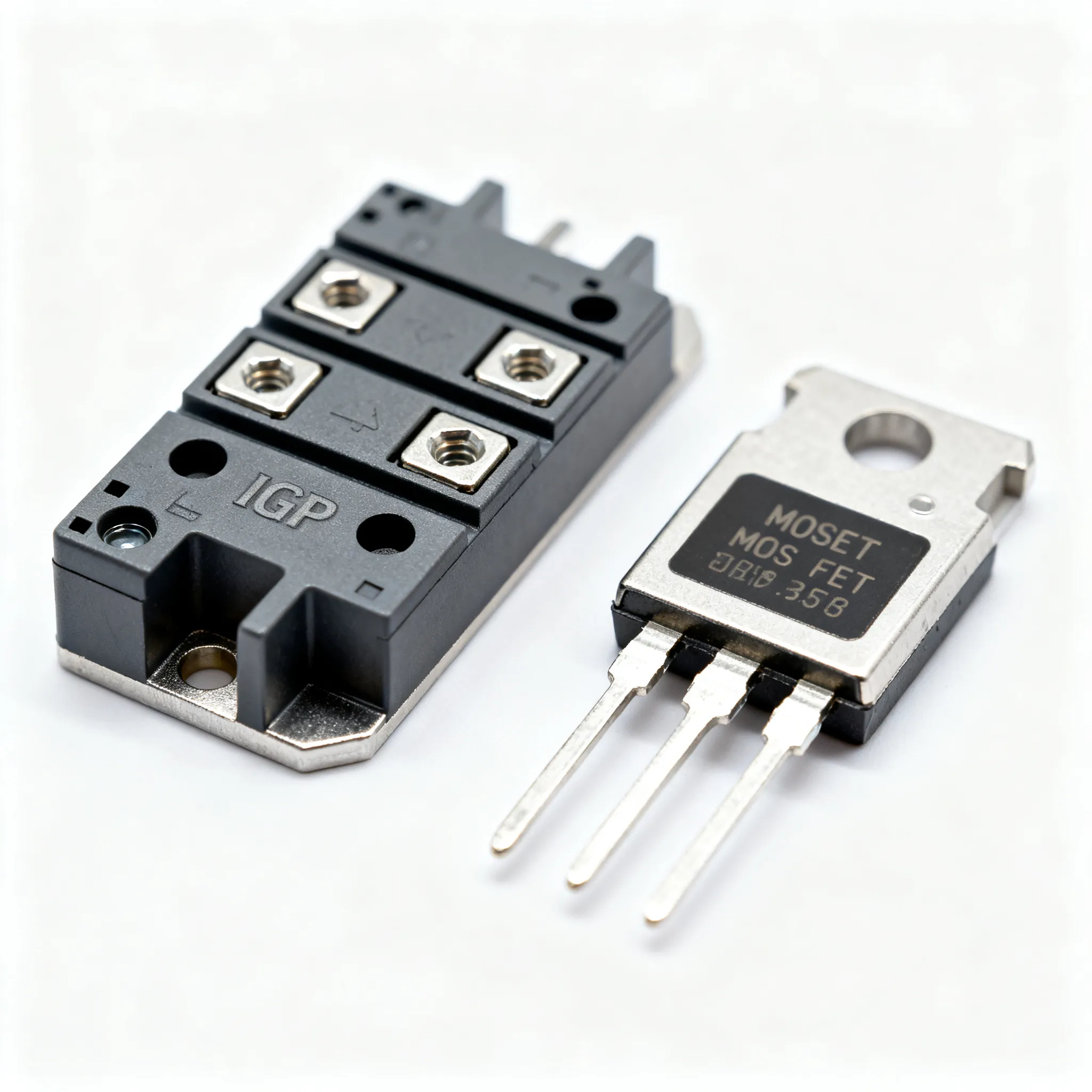
As the power electronics industry evolves, the choice between Insulated Gate Bipolar Transistors (IGBTs) and Metal-Oxide-Semiconductor Field-Effect Transistors (MOSFETs) becomes increasingly pivotal. These components are crucial for managing power in various applications, from consumer electronics to industrial machinery. Understanding their specifications, applications, and future trends is essential for engineers and decision-makers. By 2026, the global semiconductor market is projected to reach $595.2 billion, indicating the growing demand for efficient power management solutions. In this context, determining whether IGBTs or MOSFETs will dominate the market is of paramount importance.
Technical Overview
IGBTs and MOSFETs are both critical components in power electronics, each with unique characteristics that influence their suitability for specific applications. MOSFETs are voltage-controlled devices known for their high switching speed and efficiency, making them ideal for low to medium power applications. They excel in applications requiring fast switching, such as power supplies and motor controls.
IGBTs, on the other hand, combine the advantages of MOSFETs and bipolar transistors, offering high voltage and current capabilities with relatively low conduction losses. This makes them suitable for high-power applications like induction heating, traction motor control, and electric vehicle inverters. While MOSFETs are often preferred for applications requiring high-frequency operation, IGBTs are favored where high power and efficiency are critical.
Detailed Specifications
| Specification | MOSFET | IGBT | Units | Notes |
|---|---|---|---|---|
| Maximum Voltage | 600V | 1200V | Volts | Typical application voltage |
| Maximum Current | 30A | 100A | Amperes | Varies by model |
| Switching Frequency | 500kHz | 20kHz | Hertz | Maximum efficient frequency |
| On-State Voltage Drop | 0.1V | 2.5V | Volts | Indicative of efficiency |
| Gate Charge | 50nC | 100nC | Coulombs | Influences switching speed |
| RDS(on) | 10mΩ | N/A | Ohms | Resistance in on-state |
| Collector-Emitter Saturation Voltage | N/A | 2.5V | Volts | Voltage drop in on-state |
| Thermal Resistance | 0.8°C/W | 0.5°C/W | °C/Watt | From junction to case |
| Input Capacitance | 1000pF | 1500pF | PicoFarads | Affects switching performance |
| Operation Temperature Range | -55°C to 150°C | -40°C to 150°C | °C | Standard operating range |
The specifications in the table above highlight the inherent advantages and limitations of both IGBTs and MOSFETs. MOSFETs are characterized by lower on-state voltage drop and higher switching frequencies, making them ideal for applications where efficiency and speed are crucial. IGBTs, with their higher voltage and current capabilities, are better suited for high-power applications. The choice between the two often depends on the specific requirements of the application, such as power level, switching frequency, and efficiency.
| Specification | MOSFET | IGBT | Units | Notes |
|---|---|---|---|---|
| Thermal Resistance Junction to Case | 0.8°C/W | 0.5°C/W | °C/Watt | Critical for thermal management |
| Package Type | TO-220 | TO-247 | - | Common package formats |
| Weight | 1.5g | 2.5g | Grams | Varies with package |
| Die Size | 3mm² | 6mm² | mm² | Influences thermal performance |
| Maximum Junction Temperature | 150°C | 175°C | °C | Maximum allowable temperature |
| Mounting Method | Through-hole | Through-hole | - | Standard mounting technique |
| Lead Finish | Matte Tin | Nickel Palladium Gold | - | Corrosion resistance |
| Case Material | Molded Epoxy | Molded Epoxy | - | Standard case material |
Thermal and mechanical specifications are crucial for ensuring the reliability and longevity of power electronics components. MOSFETs typically offer lower thermal resistance, which can be advantageous in applications where active cooling is limited. IGBTs, however, are designed to handle higher thermal loads, making them more suitable for high-power applications where heat dissipation is a concern. The choice of package type, die size, and maximum junction temperature are all factors that influence the thermal performance and mechanical robustness of these devices.
| Application | MOSFET | IGBT | Notes |
|---|---|---|---|
| Power Supplies | Preferred | Limited Use | MOSFETs offer high efficiency |
| Motor Drives | Used in Low Power | Preferred for High Power | IGBTs handle higher currents |
| Electric Vehicles | Limited Use | Preferred | IGBTs manage high power and voltage |
| Inverters | Used in Low Power | Preferred for High Power | Efficiency and power handling are key |
| Renewable Energy Systems | Used in Low Power | Preferred for High Power | IGBTs offer better performance |
The application comparison table provides insight into where each technology excels. MOSFETs are often chosen for applications requiring fast switching and efficiency, such as power supplies and low-power motor drives. In contrast, IGBTs are preferred for high-power applications like electric vehicles and renewable energy systems, where their ability to handle high voltages and currents is advantageous.
Design Considerations
When designing circuits with IGBTs or MOSFETs, engineers must consider several factors to optimize performance and reliability. The choice between these components should be guided by the application's power, voltage, and switching frequency requirements. For high-frequency applications, MOSFETs are often preferred due to their lower switching losses. However, for high-power applications, IGBTs provide superior performance due to their higher current and voltage ratings.
Thermal management is another critical consideration. Both IGBTs and MOSFETs generate heat during operation, and effective heat dissipation is essential to prevent thermal failure. Engineers must carefully select heat sinks and cooling mechanisms to maintain junction temperatures within safe limits. The package type and thermal resistance specifications should guide these decisions.
Additionally, gate drive circuits must be appropriately designed to ensure efficient switching. MOSFETs typically require lower gate charge, allowing for faster switching speeds, while IGBTs may require more robust gate drive circuits to handle higher gate charges. Engineers should also consider the impact of parasitic inductance and capacitance, which can affect switching performance and efficiency.
Finally, the choice of components should be informed by availability and cost considerations. Engineers should evaluate the total cost of ownership, including component costs, thermal management solutions, and potential reliability impacts. By carefully considering these factors, engineers can make informed decisions that optimize performance and cost-effectiveness in their designs.
Step-by-Step Guide
Designing a power electronics circuit requires careful planning and execution. Below is a step-by-step guide to help engineers navigate the process of choosing and implementing IGBTs or MOSFETs in their designs.
- Define Application Requirements: Begin by clearly defining the power, voltage, and frequency requirements of your application. This will guide your component selection process.
- Select the Appropriate Component: Use component databases like DigiKey Electronics to search for MOSFETs or IGBTs that meet your specifications. Pay attention to key parameters such as maximum voltage, current, and switching frequency.
- Design the Gate Drive Circuit: Design a gate drive circuit that can efficiently switch the chosen component. Consider the gate charge and required drive voltage for optimal performance.
- Implement Thermal Management Solutions: Select appropriate heat sinks and cooling mechanisms to manage the heat generated by the component. Use thermal simulations to validate your thermal management strategy.
- Prototype and Test: Build a prototype of your circuit and conduct thorough testing to verify performance. Measure parameters such as efficiency, switching speed, and thermal performance.
- Iterate and Optimize: Based on test results, make necessary adjustments to your design. This may involve selecting alternative components, adjusting the gate drive circuit, or enhancing thermal management.
- Prepare for Production: Once the design is finalized, prepare documentation and manufacturing files for production. Ensure that all components are sourced from reliable suppliers like IC Online.
- Monitor and Maintain: After deployment, monitor the performance of your design in real-world conditions. Implement a maintenance strategy to address any potential issues that arise.
Common Issues & Solutions
Even with careful planning, engineers may encounter issues when working with IGBTs and MOSFETs. Here are some common problems and their solutions:
- Overheating: This is a common issue in high-power applications. Ensure adequate cooling through heat sinks and fans, and consider using thermal interface materials to improve heat transfer.
- Switching Losses: High switching losses can reduce efficiency. Optimize gate drive circuits to minimize switching times and consider using components with lower gate charge.
- Parasitic Oscillations: These can occur due to parasitic inductance and capacitance. Use snubber circuits and proper PCB layout techniques to mitigate these effects.
- Gate Drive Failures: Ensure that gate drive circuits are robust and protected against voltage spikes. Use gate resistors and zener diodes to protect the gate from overvoltage.
- Component Availability: Supply chain disruptions can affect component availability. Work with reliable distributors and consider alternative components with similar specifications.
- EMI Issues: High-frequency switching can lead to electromagnetic interference. Implement filtering and shielding techniques to reduce EMI emissions.
Applications & Use Cases
IGBTs and MOSFETs play a vital role in a wide range of applications. In electric vehicles, IGBTs are used in inverters to convert DC to AC power, driving the electric motors. They are also employed in renewable energy systems to manage power conversion in solar inverters and wind turbines. MOSFETs, with their high switching speeds, are commonly used in power supplies for computers and consumer electronics, where efficiency and compact size are essential.
In industrial settings, IGBTs are often chosen for motor drives and induction heating applications, where their ability to handle high power and voltage is advantageous. Conversely, MOSFETs are preferred in battery management systems and low-power motor drives, where fast switching and efficiency are critical. These applications demonstrate the complementary strengths of IGBTs and MOSFETs, highlighting their importance in modern power electronics.
Selection & Sourcing Guide
When selecting and sourcing components, engineers should consider both technical specifications and logistical factors. Platforms like IC Online offer a wide range of IGBTs and MOSFETs with detailed datasheets and competitive pricing. Use parametric search tools to filter components based on key specifications, and ensure that selected components are from reputable manufacturers to guarantee quality and reliability.
FAQ
- What is the main difference between IGBT and MOSFET? IGBTs are better suited for high-power applications due to their higher voltage and current capabilities, while MOSFETs are preferred for high-frequency applications due to their faster switching speeds.
- Can I use an IGBT in place of a MOSFET? It depends on the application. IGBTs are generally used for high-power applications, while MOSFETs are used for high-frequency applications. Consider the specific requirements of your application before making a substitution.
- What are the common failure modes of IGBTs and MOSFETs? Common failure modes include overheating, gate drive failures, and switching losses. Proper thermal management, robust gate drive design, and efficient switching can mitigate these issues.
- How do I optimize the switching performance of MOSFETs? Use a low gate charge MOSFET and design an efficient gate drive circuit to minimize switching times and losses.
- What are the thermal management strategies for IGBTs? Use heat sinks, fans, and thermal interface materials to effectively dissipate heat and maintain safe junction temperatures.
- How do I mitigate EMI in high-frequency applications? Implement filtering and shielding techniques, and use proper PCB layout practices to reduce EMI emissions.
- Are there any alternatives to IGBTs and MOSFETs? SiC and GaN transistors are emerging alternatives that offer higher efficiency and performance in certain applications.
- What are the latest trends in power electronics? The industry is moving towards higher efficiency, smaller form factors, and the integration of advanced materials like SiC and GaN.
- How do I ensure the reliability of my design? Conduct thorough testing and validation, and work with reliable suppliers to source high-quality components.
- Where can I find more information on IGBTs and MOSFETs? Industry publications such as ← Previous ArticleNext Article >>
Related Articles
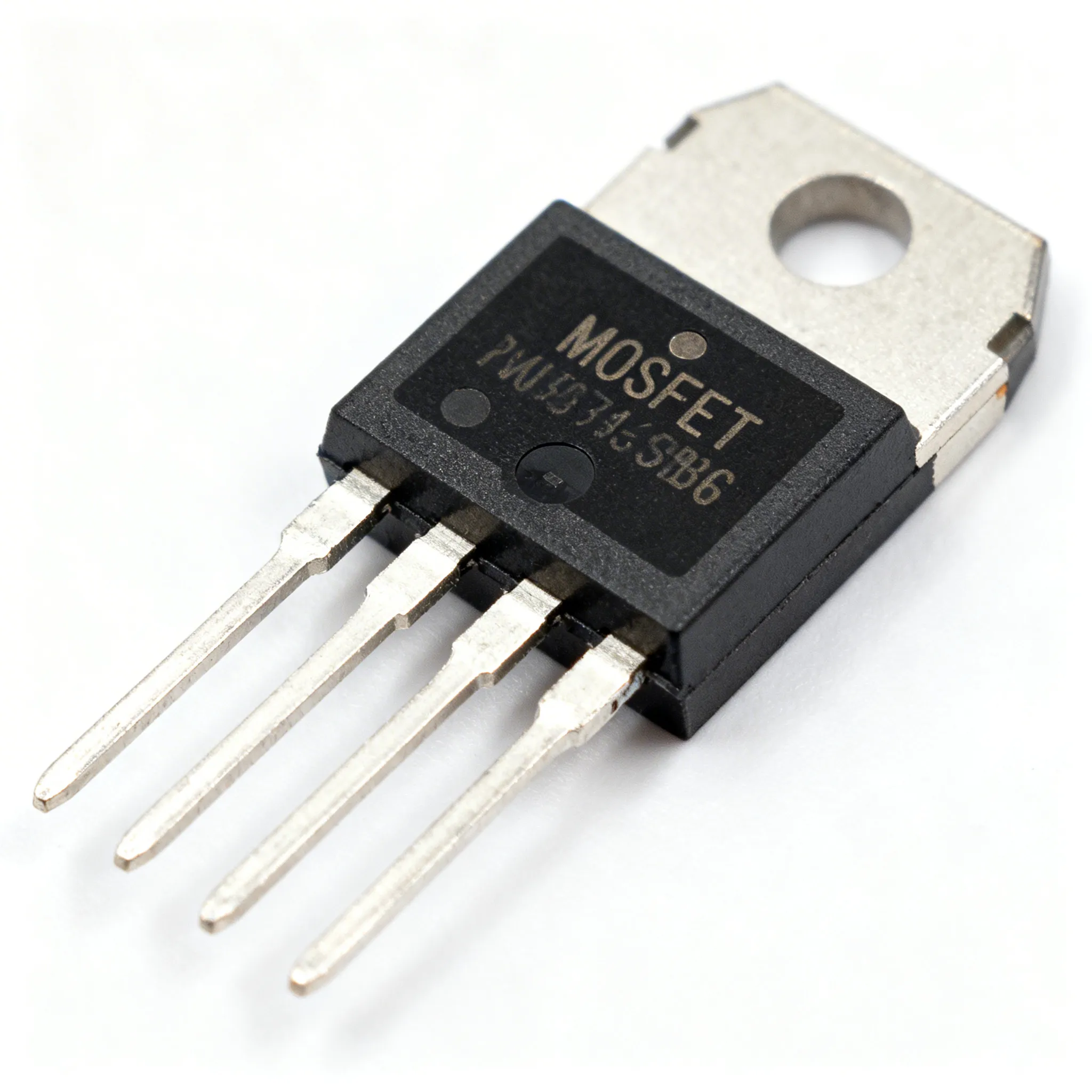
Selecting the Right MOSFET: Key Considerations for Your Next Project
Selecting the Right MOSFET: Key Considerations for Your Next Project table { border-collapse: collapse; width: 100%; } th, td { border:
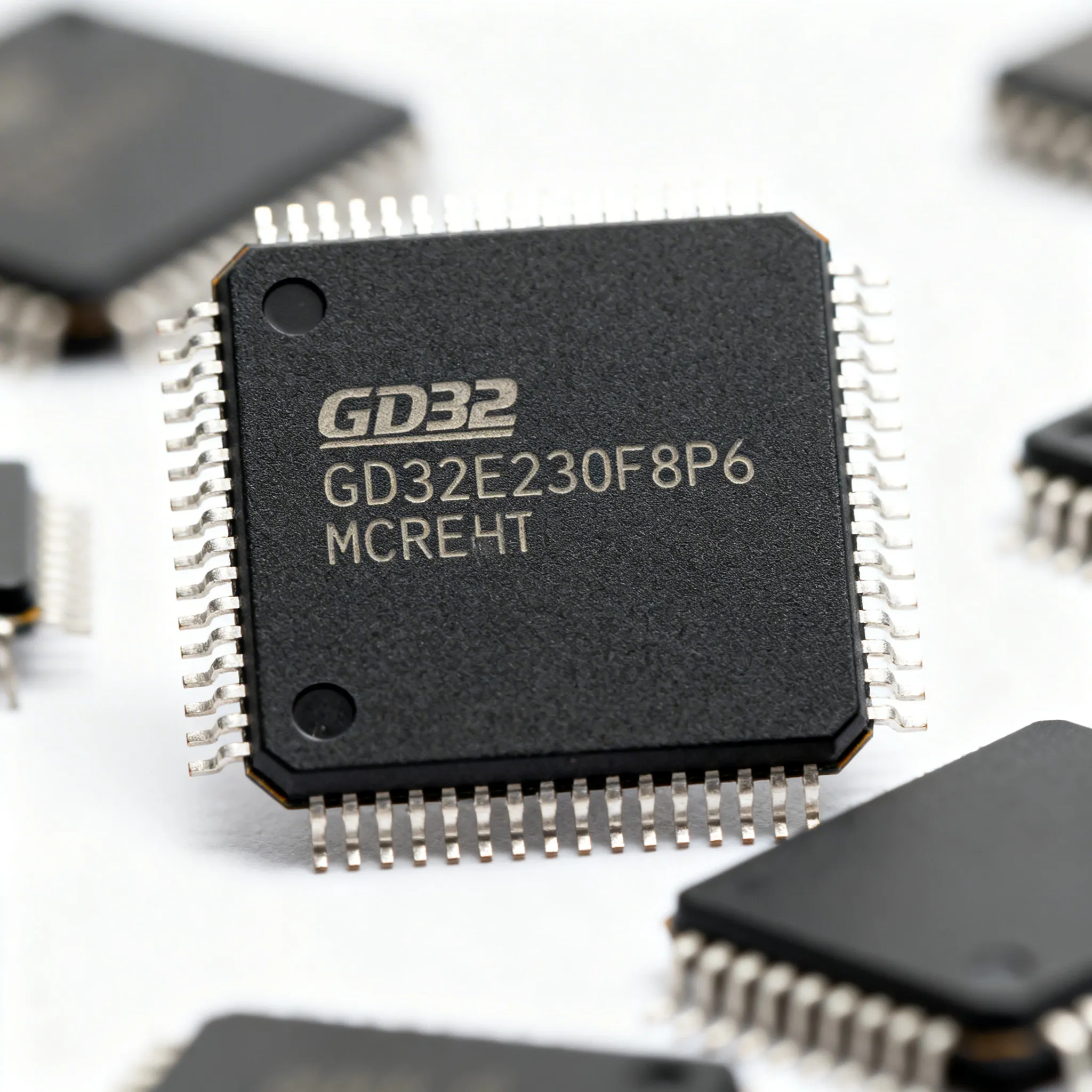
Cost-Effective Solutions with GD32E230F8P6: Maximizing Performance in Your Projects
Expert guide on Cost-Effective Solutions with GD32E230F8P6: Maximizing Performance in Your Projects. Technical specs, applications, sourcing tips for engineers and buyers.
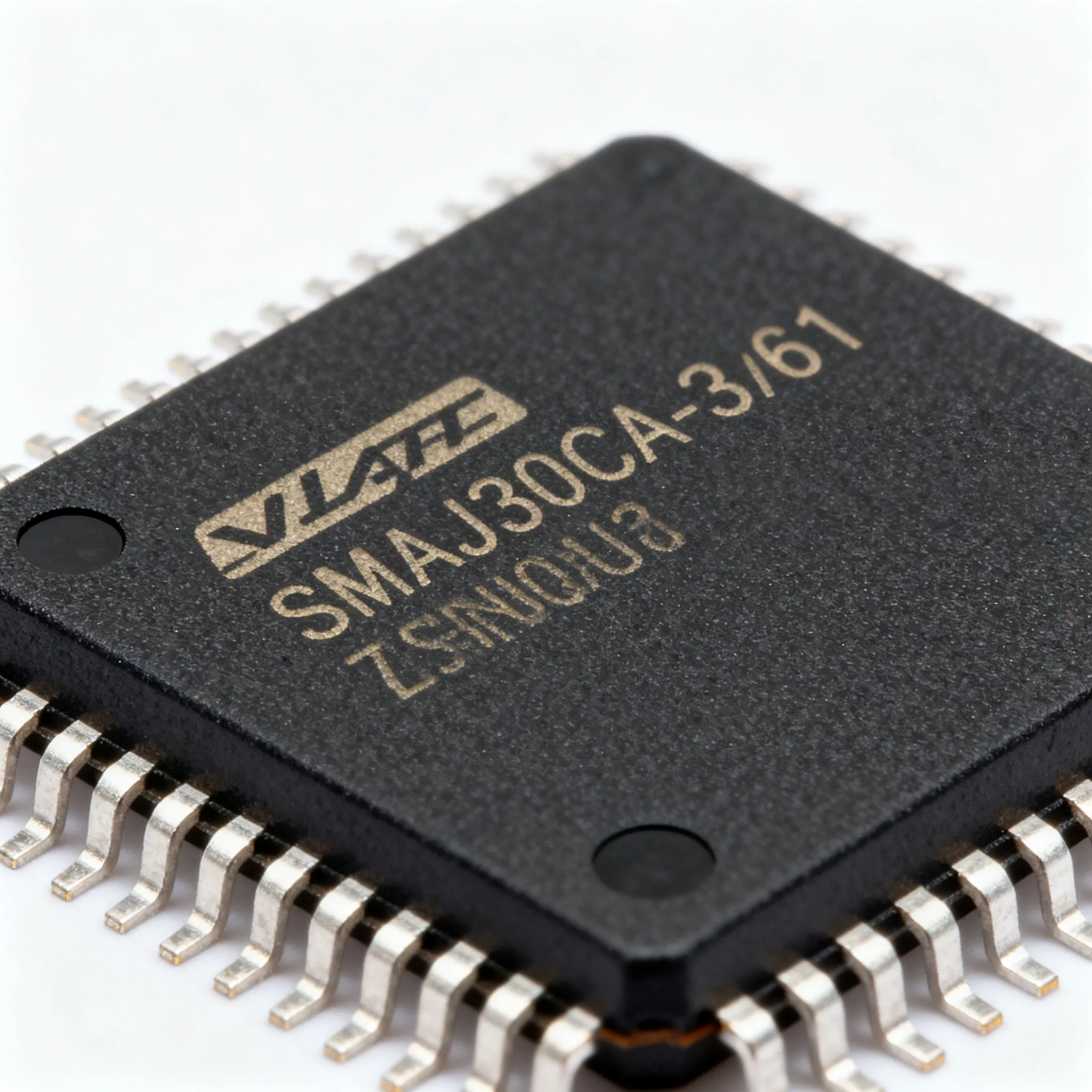
Troubleshooting the SMAJ30CA-E3/61: Common Issues and Effective Solutions for Engineers
Expert guide on Troubleshooting the SMAJ30CA-E3/61: Common Issues and Effective Solutions for Engineers. Technical specs, applications, sourcing tips for engineers and buyers.
Essential Buying Guide for Power Management ICs: Optimize Costs and Enhance Performance
Essential Buying Guide for Power Management ICs table { border-collapse: collapse; width: 100%; } th, td { border: 1px solid #ddd;
Designing with the 24-21SURC/S530-A3/TR8: A Step-by-Step Guide for Engineers
Designing with the 24-21SURC/[sku:S530-A3]/TR8: A Step-by-Step Guide for Engineers table { border-collapse: collapse; width: 100%; } th, td {
Maximize Performance with EWN-8258FAT1BA: Cost-Effective Solutions for Your Next Project
Maximize Performance with [sku:EWN-8258FAT1BA]: Cost-Effective Solutions for Your Next Project Introduction The [sku:EWN-8258FAT1BA] is a versatile component that has emerged as a key player in th