Maximize Your Design Efficiency with an Authorized Electronic Component Distributor
Expert guide on Maximize Your Design Efficiency with an Authorized Electronic Component Distributor. Technical specs, applications, sourcing tips for engineers and buyers.
Introduction
In the fast-paced world of electronics design, efficiency is crucial. Engineers are constantly challenged to deliver innovative solutions while adhering to tight deadlines and budgets. One of the key strategies to maximize design efficiency is by collaborating with an authorized electronic component distributor. These distributors provide access to a vast selection of components, comprehensive datasheets, and application circuits, all of which are essential for informed decision-making and optimized design processes. As the semiconductor industry continues to grow, reaching an estimated $595.2 billion in revenue by 2026 according to the Semiconductor Industry Association, the role of distributors becomes even more significant in ensuring a seamless supply chain and reliable component sourcing.
Technical Overview
Designing electronic circuits involves understanding core concepts such as component specifications, electrical characteristics, and application requirements. Authorized distributors play a pivotal role in this ecosystem by providing engineers with access to detailed datasheets and technical resources. These documents offer insights into the electrical specifications, thermal and mechanical properties, and potential application circuits for each component. For instance, when selecting a MOSFET, engineers must consider parameters such as threshold voltage, on-resistance, and maximum current rating. Similarly, for microcontrollers, specifications like clock speed, memory capacity, and peripheral support are critical. Distributors like DigiKey Electronics offer extensive databases where engineers can search for components based on specific criteria, ensuring that the selected parts meet the design requirements.
Detailed Specifications
| Parameter | Value | Units | Notes |
|---|---|---|---|
| Threshold Voltage (VTH) | 1.2 - 2.5 | V | Varies with temperature |
| On-Resistance (RDS(on)) | 0.5 | Ω | Measured at VGS = 10V |
| Current Rating (ID) | 30 | A | Continuous drain current |
| Gate Charge (QG) | 45 | nC | Typical value |
| Breakdown Voltage (VBR) | 100 | V | Minimum value |
| Input Capacitance (CISS) | 1200 | pF | Measured at VDS = 25V |
| Output Capacitance (COSS) | 400 | pF | Measured at VDS = 25V |
| Reverse Recovery Charge (QRR) | 25 | nC | Typical value |
| Switching Time (tON) | 10 | ns | Typical value |
| Switching Time (tOFF) | 20 | ns | Typical value |
| Power Dissipation (PD) | 50 | W | Maximum value |
| Parameter | Value | Units | Notes |
|---|---|---|---|
| Junction Temperature (TJ) | -55 to 150 | °C | Operational temperature range |
| Storage Temperature (TSTG) | -65 to 150 | °C | Non-operational |
| Thermal Resistance (θJA) | 62.5 | °C/W | Junction to ambient |
| Thermal Resistance (θJC) | 1.5 | °C/W | Junction to case |
| Package Type | TO-220 | - | Standard package |
| Lead Finish | Matte Tin | - | RoHS compliant |
| Mounting Type | Through Hole | - | Standard mounting |
| Weight | 1.8 | g | Approximate |
| Application | Component | Advantages | Disadvantages |
|---|---|---|---|
| Power Supply | IRF540N | High efficiency | Requires heatsinking |
| Motor Control | STP55NF06 | High current capability | Complex gate drive |
| Audio Amplifier | TIP31C | Good linearity | Limited frequency response |
| LED Driver | LM317 | Adjustable output | Power dissipation |
| RF Amplifier | BFG591 | High frequency performance | Expensive |
Design Considerations
When approaching the design of electronic circuits, several considerations must be taken into account to ensure that the final product performs as intended. The first step is to thoroughly understand the specifications provided in component datasheets. These documents are crucial for identifying the right parts based on electrical, thermal, and mechanical requirements. For instance, selecting a MOSFET for a power supply application requires examining the on-resistance and threshold voltage to minimize losses and ensure efficient switching. Additionally, thermal management is a critical aspect of design. Components like the IRF540N MOSFET require adequate heatsinking to maintain junction temperatures within safe limits, as indicated by the thermal resistance values in the datasheet.
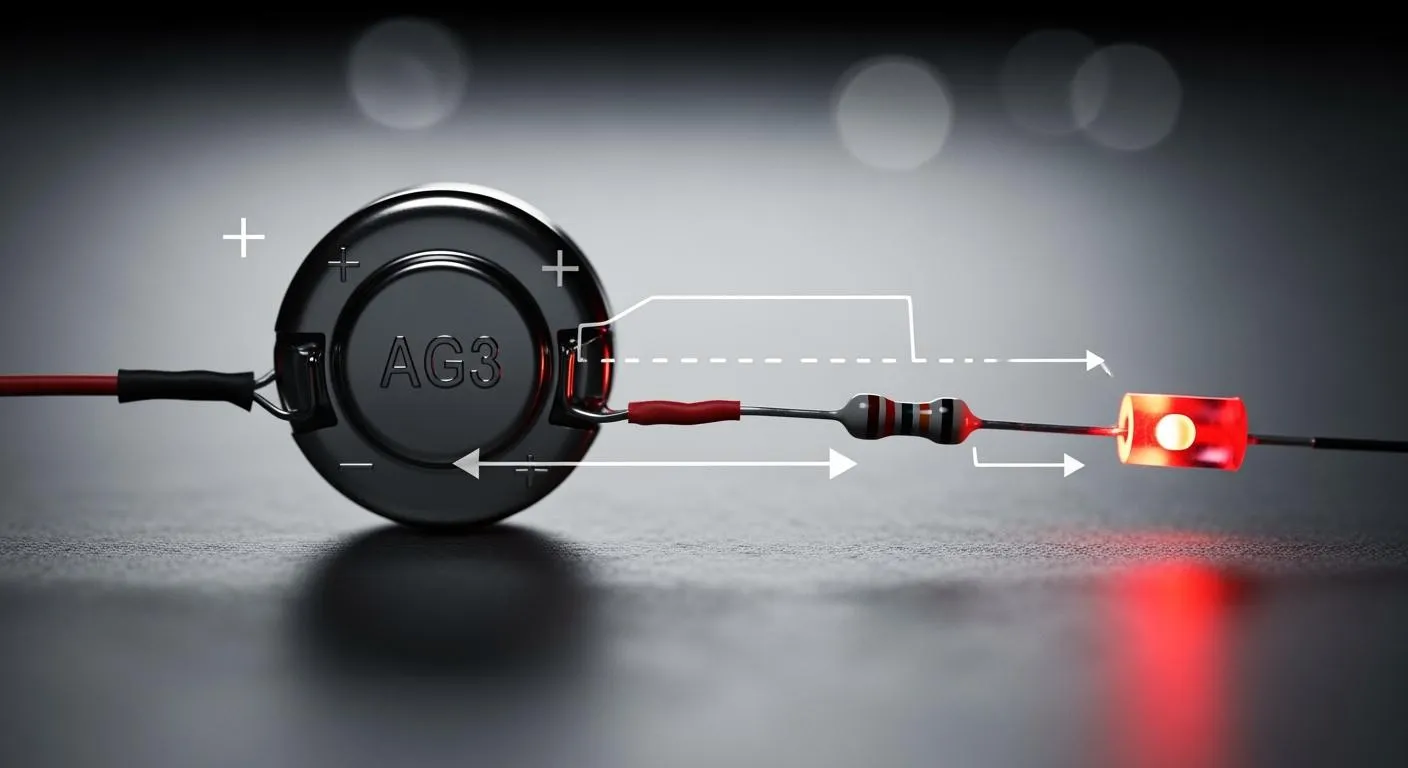
Another important consideration is the application circuit. Many datasheets provide reference designs or application notes that outline typical configurations for specific applications. These resources are invaluable for engineers looking to optimize their designs for performance and reliability. For example, the LM317 voltage regulator is often used in LED driver circuits, with application notes providing guidance on component selection for setting the desired output current.
Furthermore, it's essential to consider the availability of components during the design phase. Collaborating with an authorized distributor ensures access to reliable supply chains and mitigates the risk of obsolescence. Leveraging the capabilities of distributors like IC Online, engineers can efficiently source components, access up-to-date datasheets, and compare alternatives to make informed decisions.
Step-by-Step Guide
- Define the Application Requirements: Start by clearly outlining the requirements of your design. Determine the voltage, current, and power levels, as well as any specific features like control interfaces or communication protocols that are needed.
- Perform Component Selection: Use distributor databases such as DigiKey Electronics to search for components that meet your specifications. Pay close attention to electrical and thermal characteristics, ensuring that the components can withstand the operational conditions.
- Review Datasheets and Application Notes: Thoroughly examine the datasheets for each selected component. Look for key parameters, pin configurations, and recommended operating conditions. Application notes provide valuable insights into typical usage scenarios and can help in designing efficient circuits.
- Design the Circuit: With the component specifications in mind, begin designing the circuit. Use simulation tools to model the circuit behavior and verify performance under different conditions. This step helps identify potential issues early in the design process.
- Prototype and Test: Assemble a prototype of your design using the selected components. Conduct extensive testing to validate the circuit's performance against the defined requirements. Pay particular attention to thermal performance and ensure that any necessary heatsinking is effective.
- Iterate and Optimize: Based on the testing results, make any necessary adjustments to the design. This may include selecting alternative components, modifying circuit layouts, or improving thermal management strategies.
- Finalize the Design: Once the design is optimized, finalize the component list and generate the necessary documentation. Ensure that all components are sourced from authorized distributors to guarantee quality and reliability.
- Prepare for Production: Collaborate with your distributor to ensure that all components are available for production. Verify lead times and place orders for the required quantities to avoid delays in manufacturing.
Common Issues & Solutions
Designing electronic circuits can present various challenges. Here are some common issues and their solutions:
- Component Availability: In some cases, components may become obsolete or unavailable. Solution: Maintain a close relationship with authorized distributors to stay informed about component life cycles and identify suitable alternatives when necessary.
- Thermal Management: Excessive heat can lead to component failure. Solution: Utilize adequate heatsinking and thermal management techniques as specified in the datasheets to ensure components operate within safe temperature ranges.
- Signal Integrity: High-frequency designs may suffer from signal degradation. Solution: Implement proper PCB layout techniques, such as controlled impedance traces and proper grounding, to maintain signal integrity.
- Power Supply Stability: Voltage fluctuations can affect circuit performance. Solution: Use decoupling capacitors and voltage regulators like the LM317 to stabilize power supply lines and minimize noise.
- EMI/EMC Compliance: Designs must meet electromagnetic interference standards. Solution: Conduct thorough EMI/EMC testing and incorporate filtering and shielding techniques to reduce emissions and improve immunity.
Applications & Use Cases
Electronic components sourced from authorized distributors find applications across various industries. In the automotive sector, components such as the STP55NF06 MOSFET are used in motor control systems for electric vehicles, thanks to their high current capacity and reliability. In consumer electronics, the LM317 voltage regulator is commonly used in portable devices to provide stable power to sensitive circuits. Additionally, RF amplifiers like the BFG591 are critical in telecommunications for boosting signal strength in wireless communication systems. These real-world applications highlight the importance of selecting the right components and leveraging distributor resources to achieve optimal design outcomes.
Selection & Sourcing Guide
Selecting and sourcing electronic components is a critical step in the design process. Engineers can rely on authorized distributors like IC Online to access a wide range of components, competitive pricing, and fast delivery. By utilizing parametric search tools and detailed datasheets, engineers can make informed decisions, ensuring that their designs are both efficient and reliable. Partnering with a trusted distributor provides the assurance of quality and compliance with industry standards.
FAQ
-
What is the advantage of using authorized distributors?
Authorized distributors offer genuine components, reliable supply chains, and access to comprehensive technical resources, ensuring high-quality and compliant designs.
-
How do I choose the right MOSFET for my application?
Consider parameters such as on-resistance, threshold voltage, and current rating. Review datasheets and consult application notes for guidance on component selection.
-
What are the benefits of using parametric search tools?
Parametric search tools allow engineers to filter components based on specific criteria, such as electrical characteristics and package type, streamlining the selection process.
-
How can I ensure thermal management in my design?
Incorporate heatsinks, thermal pads, and proper ventilation in your design. Refer to datasheets for thermal resistance values and recommended cooling strategies.
-
What should I do if a component becomes obsolete?
Contact your distributor for alternative recommendations. Authorized distributors can provide suitable replacements or suggest redesign options to accommodate new components.
-
Why is EMI/EMC compliance important?
Compliance ensures that electronic devices do not interfere with other equipment and are immune to external electromagnetic disturbances, maintaining functionality and safety.
-
How do application notes help in design?
Application notes provide practical examples and guidelines for implementing components in specific applications, helping engineers optimize their designs for performance and reliability.
-
What factors should I consider for power supply design?
Consider voltage regulation, efficiency, thermal management, and load requirements. Use regulators and decoupling capacitors to ensure stable power delivery.
-
How can simulation tools aid in circuit design?
Simulation tools allow engineers to model and analyze circuit behavior under various conditions, identifying potential issues before physical prototyping and reducing development time.
-
What is the role of an application engineer at a distributor?
Application engineers provide technical support, helping customers select the right components and offering design recommendations to optimize performance and reliability.
Conclusion
Maximizing design efficiency requires a strategic approach to component selection and sourcing. By partnering with authorized electronic component distributors, engineers gain access to a wealth of