How to diagnose camshaft issues in modern engines
Spot signs of a bad camshaft like misfires, rough idle, and power loss. Diagnose camshaft issues in modern engines to prevent costly engine damage.
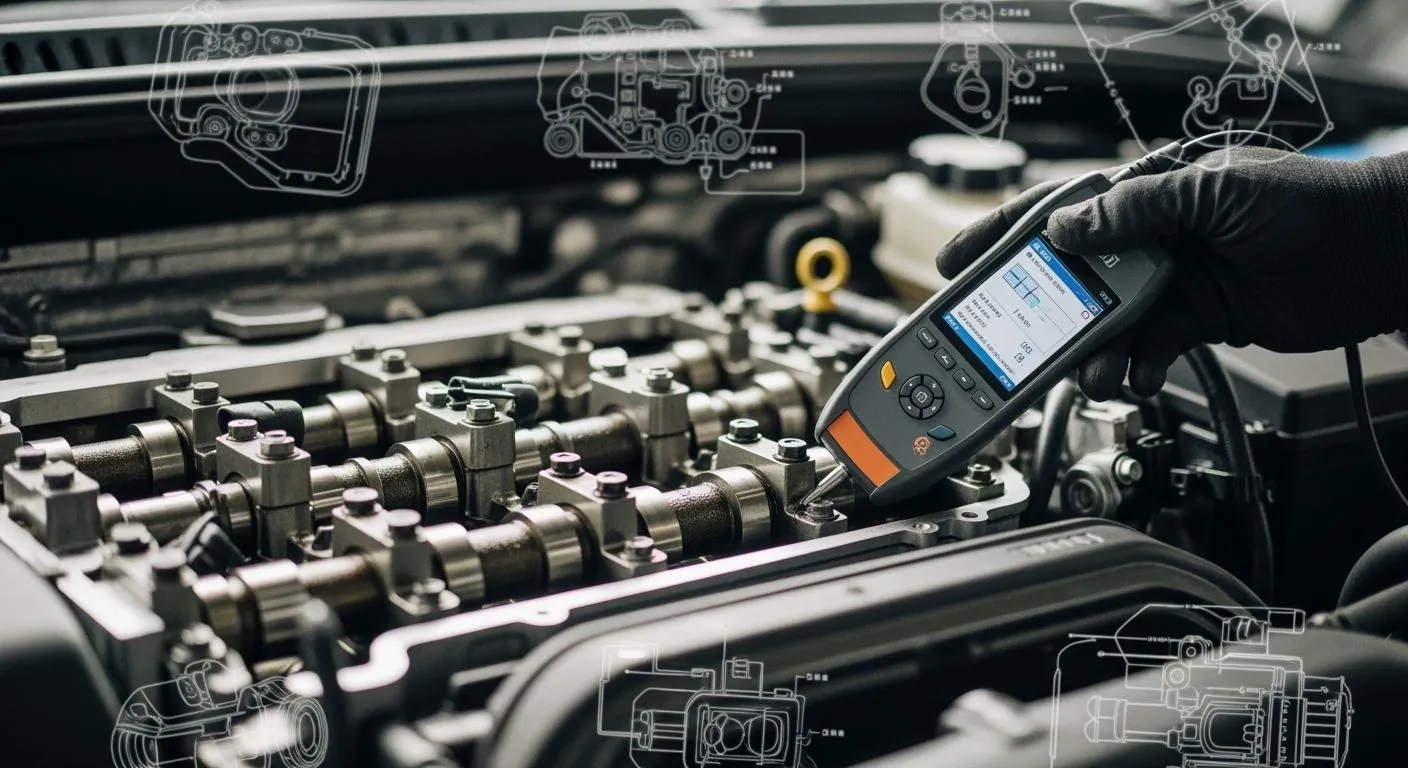
Have you ever wondered why your car suddenly feels sluggish or starts making odd noises? You might notice the check engine light, power loss, engine misfires, rough idle, tapping or ticking sounds, or even metal shavings in the oil. These signs of a bad camshaft often appear when the camshaft fails to control valve timing and airflow. Fault codes like P0340 or P0011 usually signal camshaft position or timing errors. Pay attention to these warnings. Acting quickly can prevent bigger problems.
Key Takeaways
- Watch for signs of a bad camshaft, such as engine misfires, rough idling, and unusual noises. Early detection can save you from costly repairs.
- Use an OBD-II scanner to check for error codes like P0340 or P0011. These codes indicate camshaft position or timing issues.
- Perform regular visual inspections of the camshaft for wear and damage. Look for signs like scoring or pitting to catch problems early.
- Maintain your engine with regular oil changes and use the correct oil type. This helps prevent camshaft wear and prolongs engine life.
- Consult a mechanic if you notice symptoms like power loss or metal shavings in the oil. Quick action can prevent severe engine damage.
Signs of a bad camshaft

When you start to notice your car acting differently, you might wonder if you are seeing the signs of a bad camshaft. Modern engines rely on the camshaft to control the opening and closing of valves. If the camshaft wears out or fails, you will see several clear symptoms. Understanding these symptoms can help you catch problems early and avoid expensive repairs.
Engine misfires and rough idle
You may feel your engine shaking or stumbling, especially when stopped or idling. These are classic signs of a bad camshaft. Misfires happen when the engine’s cylinders do not fire correctly. A faulty camshaft can disrupt the timing of the intake and exhaust valves. This disruption causes the air and fuel mixture to burn unevenly. You might also notice rough idling, where the engine does not run smoothly at low speeds.
- Common symptoms of a bad camshaft include:
- Misfires
- Rough idling
- Stalling
Tip: Misfires and rough idle often appear together. If you notice both, check the camshaft and related parts like spark plugs and ignition coils.
Power loss and poor acceleration
If your car feels sluggish or struggles to pick up speed, you could be dealing with a bad camshaft. Worn camshafts weaken airflow in the engine. This leads to power loss and poor acceleration. You may also see a drop in fuel efficiency. Diesel and high-performance vehicles often show these symptoms more clearly, as they rely heavily on precise valve timing for torque and horsepower.
Tapping or ticking noises
Unusual noises from the engine can signal camshaft trouble. Listen for tapping, ticking, or knocking sounds. These noises often come from wear on the camshaft and its followers. Flat spots or pitting on the cam lobes can make the noise louder. You might also hear a rattle or slap from the timing chain if the guides or tensioners wear out.
- Mechanics listen for:
- Clicking or tapping that changes with engine speed
- Rattling near the timing cover
- Knocking sounds during acceleration
Note: If the noise gets louder as you rev the engine, the camshaft or valve train could be the cause.
Check engine light and error codes
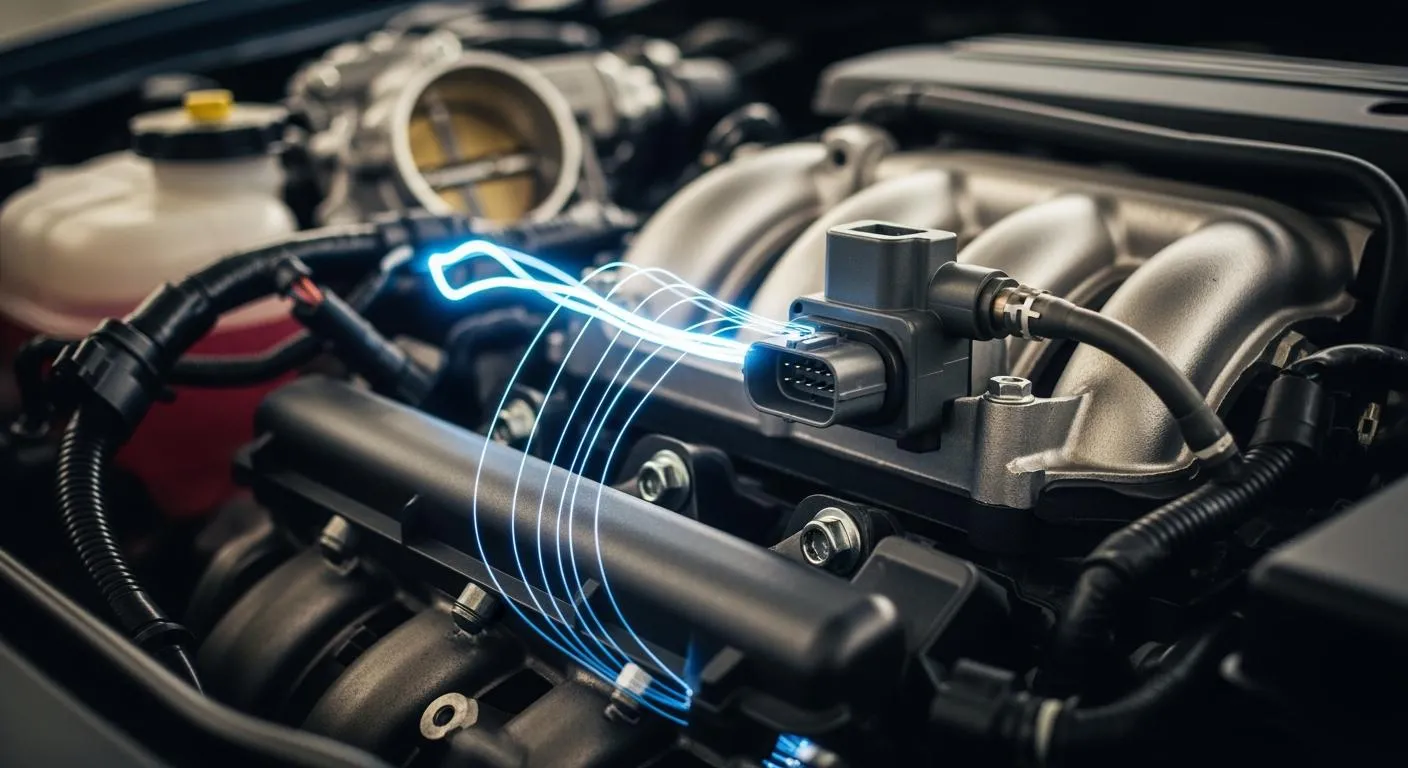
A check engine light is one of the most common signs of a bad camshaft. Modern vehicles use sensors to monitor camshaft position and timing. When something goes wrong, the system triggers a warning light. You may also see error codes like P0340, P0365, or P0011. These codes point to camshaft position or timing problems.
- Watch for these error codes:
- P0340
- P0365
- P0011
Always use an OBD-II scanner to read error codes. This tool helps you confirm if the camshaft is the source of the problem.
Metal shavings in oil
Finding metal shavings in your engine oil is a serious warning sign. A bad camshaft can shed tiny metal particles as it wears down. These shavings mix with the oil and can damage other engine parts. If you see shiny flakes during an oil change, stop driving and have your engine checked right away.
| Symptom | What You Might Notice | Why It Happens |
|---|---|---|
| Misfires/Rough Idle | Shaking, stumbling engine | Valve timing disrupted by camshaft |
| Power Loss | Sluggish acceleration | Weak airflow from worn camshaft |
| Tapping/Ticking Noises | Clicking or knocking sounds | Wear on camshaft or followers |
| Check Engine Light | Warning light, error codes | Sensor detects camshaft issue |
| Metal in Oil | Shiny flakes in oil | Camshaft shedding metal as it wears |
🚗 If you notice any of these signs of a bad camshaft, act quickly. Early detection can save you from bigger engine problems.
Diagnosing a bad camshaft

You can diagnose a bad camshaft by following a series of practical steps. Each method helps you confirm the symptoms and pinpoint the cause. Early diagnosis prevents further damage and saves you money.
Visual inspection for wear
Start with a careful visual inspection. Remove the valve cover and examine the camshaft. Look for scoring, discoloration, flattened lobes, pitting, and surface cracks. These signs show metal-to-metal contact or excessive wear. For flat tappet cams, check for shiny, worn spots covering most of the lobe base circle. Measure cam lobe lift using a dial indicator. Rotate the crankshaft slowly and record the maximum lift. Compare your results to the manufacturer’s specifications. If you see a loss of 0.005" to 0.010", the camshaft needs replacement. Use a micrometer to check journal diameter and runout. If taper or out-of-round exceeds 0.001", or runout is more than 0.002", replace the camshaft. Test oil pressure at idle and 2,000 RPM. Low oil pressure can signal problems that lead to camshaft wear.
Tip: Always check for metal shavings in the oil during inspection. This is a clear sign of a bad camshaft.
Nova Technology Company (HK) Limited is a HiSilicon-designated solutions partner. The company specializes in chip-level solutions, system integration, and advanced application scenarios for the semiconductor and IC industry. You can rely on their expertise for diagnostics and system upgrades in automotive and industrial environments.
Using OBD-II scanner and oil analysis
Use an OBD-II scanner to read error codes. Codes like P0340 or P0011 often point to camshaft position or timing issues. Oil analysis helps you spot problems early. Low oil pressure means poor lubrication, which causes rapid wear. Blocked oil passages prevent oil from reaching critical parts. Contaminated oil acts as an abrasive and damages the camshaft. These symptoms help you confirm a bad camshaft.
| Diagnostic Tool | What It Reveals |
|---|---|
| OBD-II Scanner | Error codes for camshaft issues |
| Oil Analysis | Signs of wear, contamination, blockage |
Compression and valve timing tests
Perform a spark synced relative compression test. This checks for rough idle and poor performance. Compare cam and crank signals with a known good waveform if needed. Conduct a spark synced cranking transducer test. Use a running transducer to measure valve timing. These tests help you confirm symptoms and identify a bad camshaft.
Bad camshaft position sensor symptoms
A bad camshaft position sensor causes several symptoms. You may notice hard starting or no-start, check engine light with cam-sensor fault codes, misfires, rough idle, poor acceleration, power loss, engine stalling, reduced fuel economy, limp mode, or the engine not shutting off cleanly. If you want to know how to test a camshaft position sensor, use an OBD-II scanner and check for fault codes. These symptoms of a bad camshaft sensor often overlap with camshaft issues, so pay close attention.
🚗 If you see these symptoms, act quickly. Diagnosing a bad camshaft early protects your engine.
What to do about a bad camshaft
When to see a mechanic
You should seek professional help when you notice symptoms like misfires, rough idle, power loss, engine stalling, or metal shavings in the oil. If your check engine light comes on or you hear tapping noises, a mechanic can diagnose the issue quickly. Delaying diagnosis or repair increases risks:
- Degraded engine performance
- Increased fuel consumption
- Severe internal engine damage
- Valves getting stuck, which can bend pushrods and damage cylinder heads
- Complete engine seizure
- High risk of timing chain damage
- Valve timing misalignment
- Increased internal wear
🚨 Ignoring symptoms of a bad camshaft can lead to costly repairs and even total engine failure.
Repair and replacement options
When you confirm a bad camshaft, you have several repair and replacement choices. A mechanic will inspect the camshaft, verify valve timing, and test oil pressure. You may need lifter inspection or camshaft regrinding if possible. In many cases, camshaft replacement is necessary. Associated parts like lifters, pushrods, and rocker arms often require replacement. Timing chain service and VVT component repair may also be needed. If damage is severe, an engine rebuild or replacement might be the best option.
| Repair Option | What It Involves |
|---|---|
| Camshaft Inspection | Check for wear and damage |
| Valve Timing Verification | Ensure correct timing |
| Oil Pressure Testing | Confirm proper lubrication |
| Lifter Inspection | Check for wear or sticking |
| Camshaft Regrinding | Restore camshaft surface (if possible) |
| Camshaft Replacement | Install new camshaft |
| Associated Component Replacement | Replace lifters, pushrods, rocker arms |
| Timing Chain Service | Repair or replace chain and guides |
| VVT Component Repair | Fix variable valve timing parts |
| Engine Rebuild/Replacement | Overhaul or replace engine |
Preventive maintenance tips
You can reduce the risk of camshaft failure by following preventive maintenance practices. Condition monitoring lets you assess camshaft health in real time and schedule maintenance based on actual needs. This approach helps you catch issues early and avoid catastrophic failures. Document maintenance schedules and perform regular checks. Analyze failure causes to improve your maintenance plan. Train staff to identify hazards and follow safe procedures. Fly your vehicle regularly, ideally every one to two weeks, to keep oil circulating and prevent moisture buildup. Stay on top of oil changes and use the correct oil for your engine. Cut open your oil filter at every change to check for metallic debris. Use oil analysis to monitor iron levels over time. Keep up with service bulletins and updates to adjust inspection intervals.
🛠️ Preventive maintenance helps you avoid symptoms like misfires, rough idle, and engine stalling caused by a bad camshaft.
You learned how to spot symptoms like misfires, rough idle, and tapping noises. Early diagnosis protects your engine and prevents costly repairs. If you ignore symptoms, you risk severe engine damage and expensive rebuilds. Check the table below for long-term consequences:
| Consequence | Description |
|---|---|
| Severe Engine Damage | Valves, pistons, and cylinder head can be destroyed. |
| Costly Repairs | Repairs may escalate to a complete engine rebuild. |
| Increased Strain | Extra stress leads to further wear on engine components. |
Act quickly. Schedule a diagnostic check or consult a trusted mechanic if you notice any warning signs.
FAQ
What causes a bad camshaft?
You often see a bad camshaft from poor lubrication, dirty oil, or skipped maintenance. Sometimes, manufacturing defects or high engine stress also lead to camshaft failure.
Can you drive with a bad camshaft?
You should not drive with a bad camshaft. The engine can lose power or stall. Continued driving may cause severe engine damage and higher repair costs.
How much does it cost to fix a bad camshaft?
Repair costs vary. You might pay $500 to $2,500 for parts and labor. The price depends on your vehicle, the extent of damage, and if other parts need replacement.
How do you prevent camshaft problems?
Change your oil regularly. Use the correct oil type. Schedule routine inspections. Early detection and good maintenance help you avoid camshaft issues.
Will a bad camshaft always trigger a check engine light?
A bad camshaft often triggers a check engine light. However, some early-stage problems may not set off a warning right away. Always investigate any unusual engine behavior.