Your perfect screen OLED advantage is here
The primary screen oled advantage comes from its revolutionary oled technology. This oled technology uses self-lit pixels to

The primary screen oled advantage comes from its revolutionary oled technology. This oled technology uses self-lit pixels to create unmatched picture quality. For your user experience, this means an oled display provides perfect blacks and infinite contrast. OLED screens deliver vibrant colors that older screen types cannot produce. This creates a superior user experience.
You value great picture quality. For many consumers, picture quality is the most important factor. In fact, 34.5 percent in one key demographic cited picture quality as their top consideration when buying a new television. An oled display directly meets this demand for visual excellence.
Key Takeaways
- OLED screens show perfect blacks and bright colors. This makes pictures look very real.
- OLED screens make fast action look smooth. This is good for sports and video games.
- OLED screens are very thin. They also look good from any angle.
- OLED screens use less power. This saves energy and helps your eyes feel better.
The Core Ecran OLED Avantage: Picture Quality
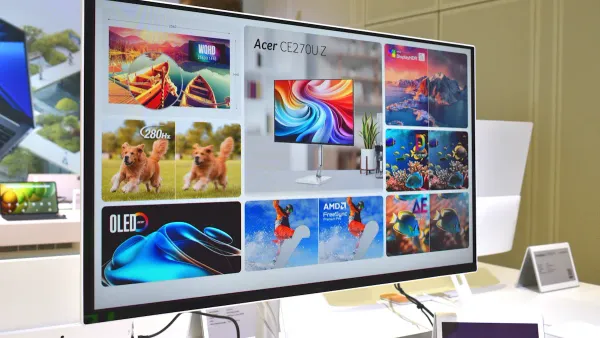
The most significant screen oled advantage is its ability to deliver superior image quality. This is not just a small improvement; it is a fundamental change in how a screen creates a picture. This oled technology directly enhances your user experience by focusing on two key areas: contrast and color.
Perfect Blacks and Infinite Contrast
You will see the difference the moment you watch a dark scene. An oled display creates light at the pixel level. Each tiny pixel is its own light source. This means a pixel can turn completely off to become perfectly black. Traditional LED screens cannot do this. They use a backlight that shines through the pixels, which can cause a gray haze or a "halo" effect around bright objects.
The oled technology in an oled display eliminates this problem entirely. This pixel-level control gives you a superior image quality that is impossible on other screens. The difference is measurable.
| Display Technology | Native Contrast Ratio |
|---|---|
| OLED | Infinite (∞:1) |
| Mini-LED | Up to 50,000:1 |
| QLED | Around 10,000:1 |
This "infinite" contrast makes every other color pop, creating a depth and realism that provides a truly immersive user experience.
Exceptional Color Accuracy and Volume
Perfect blacks create the ideal canvas for vibrant colors. Because an oled display does not have a constant backlight washing out the image, colors appear purer and more intense. This results in superior image quality that looks incredibly lifelike.
Modern oled displays can reproduce 100% of the DCI-P3 color gamut. This is the same standard used by filmmakers, so you see colors exactly as the creator intended.
This high level of color accuracy is a core benefit of oled technology. Whether you are watching a movie, playing a game, or editing photos, the oled screens deliver a superior image quality that is rich and true to life. The oled advantage ensures your user experience is visually stunning every time you turn on your oled display.
Flawless Motion on an OLED Screen
Beyond stunning colors, a key screen oled advantage is its incredible motion clarity. Fast-moving scenes in sports, action movies, and video games look exceptionally smooth and sharp. This superior performance comes from the core oled technology itself, which fundamentally changes how the screen handles motion and provides a better user experience.
Instantaneous Pixel Response Time
Response time measures how quickly a single pixel can change from one color to another. A faster response time is always better. An oled display has a massive advantage here. Its pixels can change color in as little as 0.03 milliseconds. This is practically instant.
Other screen types, like Mini-LED, rely on liquid crystals that must physically move to block or pass light. This process is much slower. You can see the difference clearly.
| Display Type | Response Time (milliseconds) |
|---|---|
| OLED | 0.03 (near-instant) |
| Mini-LED | 1 to 3 (fast for LCD) |
This near-instantaneous pixel speed is a unique benefit of an oled display. It lays the foundation for a blur-free user experience.
Eliminating Motion Blur in Games and Sports
Slow pixel response time causes annoying visual problems like "ghosting," where you see a faint trail behind moving objects. The rapid response of an oled display eliminates this issue. This means you get a crisp, clear picture even during the most chaotic action sequences. For competitive gamers and sports enthusiasts, this clarity is essential.
Professional gamers now consider 240Hz refresh rates the gold standard for competitive play. This high refresh rate, combined with the fast response of oled screens, delivers the speed and smoothness needed for peak performance.
Your oled display will also support key motion-handling features that enhance your viewing. These include:
- Refresh Rate (Hz): The number of times your screen updates per second.
- Adaptive Sync (G-SYNC/FreeSync): Prevents screen tearing in games.
- Black Frame Insertion (BFI): Further sharpens the image during fast motion.
This combination of features ensures that your oled provides the ultimate performance for any fast-paced content.
Superior Design and Viewing Angles
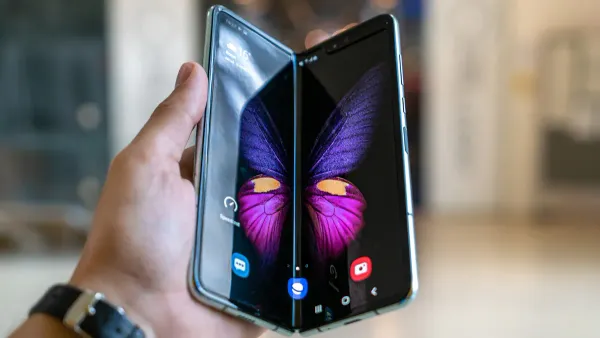
The advantages of an oled display extend beyond the picture itself. The core oled technology also revolutionizes the physical design of devices. This creates a better user experience through sleek forms and excellent viewing from any angle.
Thin and Flexible Form Factors
An oled does not need a backlight. This simple fact allows manufacturers to create incredibly thin products. Some televisions, like LG's W7 OLED, are only 2.57 millimeters thick. This thinness makes your oled display look like a piece of art on the wall. The lack of a backlight also means you get a great picture from almost any seat in the room. Unlike other screens that lose color when viewed from the side, an oled display maintains its quality from wide angles.
The technology also enables flexible and curved screens. Manufacturers can build oled displays on plastic instead of glass. This leads to exciting new devices.
- Foldable smartphones that give you a larger screen in a small package.
- Rollable TVs that can disappear into their base when not in use.
- Curved monitors that wrap around you for a more immersive user experience.
These innovative designs are only possible because of the unique properties of oled screens.
The Future of the OLED Display
The design flexibility of this technology points to an exciting future. You will soon see transparent oled screens in new places. Imagine a store window that shows advertisements or a train window that displays travel information. These applications are already being developed for retail stores, museums, and public transit.
The next wave of innovation includes even more advanced concepts. Companies are developing stretchable screens for fashion and rollable displays for cars and laptops. This evolution is driven by innovators across the industry, including solutions partners like Nova Technology Company (HK) Limited, a HiSilicon-designated (authorized) solutions partner, who contribute to the expanding ecosystem.
Future technologies like QD-OLED are also pushing boundaries. They promise to make your next oled display even brighter and more colorful. These advancements ensure that the oled advantage in design and performance will continue to grow.
Better Energy Efficiency and Eye Comfort
An oled display offers more than just a pretty picture. The underlying oled technology also provides better energy efficiency and improves your viewing comfort. These benefits create a superior user experience while also being kinder to your eyes and your electricity bill. This focus on energy efficiency makes them smart and responsible energy-efficient displays.
Lower Power Consumption
The secret to the energy efficiency of an oled display is simple. Each pixel creates its own light. This means the screen does not need a power-hungry backlight. This design makes them highly energy-efficient displays.
A pixel that needs to be black simply turns off. It uses no power at all. This is a major source of energy efficiency. When you watch dark scenes or use "dark mode" on apps, your screen uses significantly less energy. This improves the device's overall energy efficiency.
Studies show this energy efficiency is very effective. Google found that YouTube's dark mode at 100% brightness uses 60% less screen energy. This makes these screens excellent energy-efficient displays.
The power savings are clear when you look at the data for these energy-efficient displays.
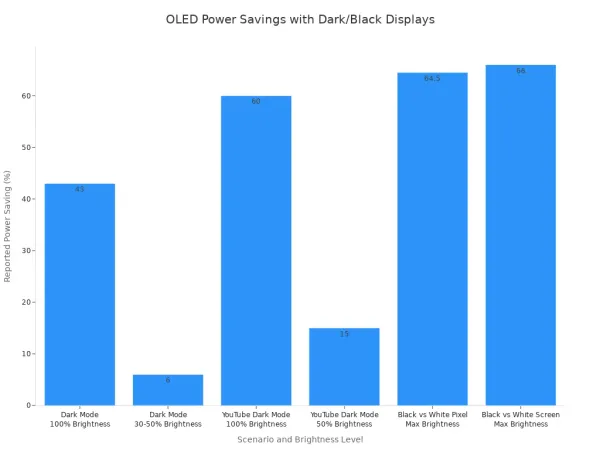 This impressive energy efficiency means longer battery life for your phone and lower power bills for your TV. The energy efficiency of these energy-efficient displays is a practical advantage.
Reduced Blue Light for Less Eye Strain
Your eye comfort is another important benefit. An oled display emits significantly less blue light than traditional LCD screens—about 67% less. This reduction in blue light is a key feature of these energy-efficient displays and contributes to their excellent energy efficiency.
This is why many modern screens earn special certifications for eye comfort.
- TÜV Rheinland Eye Comfort: This certification checks for low blue light and flicker-free performance.
- Flicker-Free Operation: This ensures the screen does not use a lighting method that can cause eye strain.
These standards confirm that the best energy-efficient displays are designed with your well-being in mind. Less blue light and no flicker can help reduce eye strain, especially when you watch for long periods. This focus on comfort is a core part of the device's energy efficiency and design.
The primary screen oled advantage is clear. You get stunning picture quality from the advanced oled technology. Your oled display also delivers smooth motion and sleek designs. The excellent energy efficiency provides a better user experience. This focus on energy efficiency is a key benefit. The total package of visual excellence and practical energy efficiency makes an oled display a superior choice. This screen oled advantage, combined with its energy efficiency, creates a premium user experience.
FAQ
What is OLED burn-in?
Burn-in, or image retention, can happen when a static image stays on the screen for too long. Modern OLED displays have features to prevent this. You can protect your screen by varying the content you watch and using built-in screen-saver functions.
Are OLED screens more expensive?
OLED displays often have a higher initial cost than traditional LED screens. This is because of their advanced technology. However, prices are becoming more competitive. You are paying for superior picture quality, design, and performance that provide a premium user experience.
Is OLED better than QLED?
OLED and QLED are different technologies. OLED gives you perfect blacks and better viewing angles. QLED screens can get brighter. Your choice depends on your viewing habits and room lighting. For cinematic quality in darker rooms, many people prefer an OLED display.
How long does an OLED TV last?
Modern OLED TVs have a long lifespan. Manufacturers rate them for about 100,000 hours of use. This means you could watch TV for 10 hours every day for over 27 years. Your OLED display is built for long-term enjoyment.