RK3588S2's Competitive Edge in the 2025 Chip Market
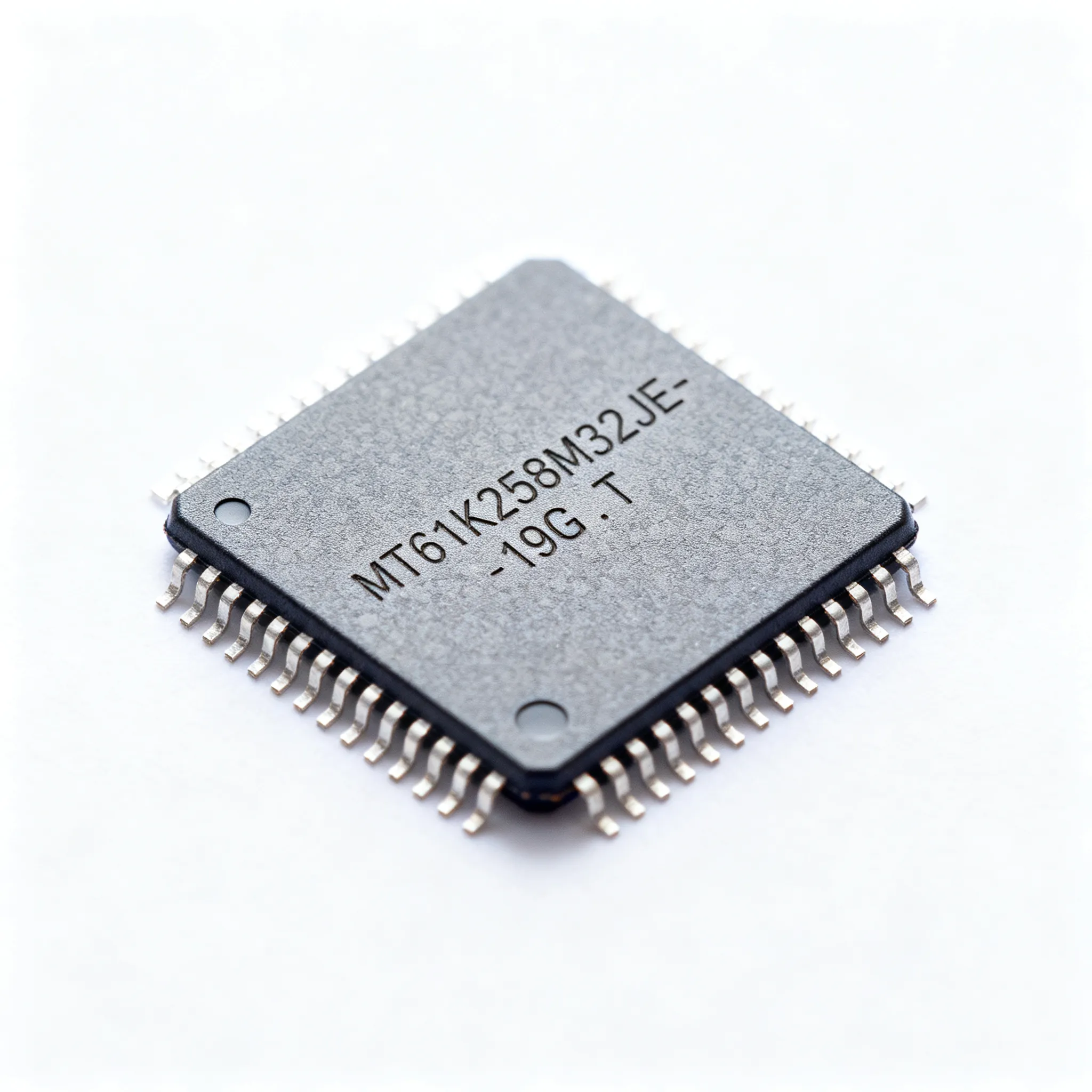
The rk3588s2 system on chip provides a competitive edge through its deliberate design. This processor combines powerful elec

The rk3588s2 system on chip provides a competitive edge through its deliberate design. This processor combines powerful electronic components with streamlined efficiency. Its heterogeneous multicore architecture delivers elite performance.
This heterogeneous multicore design uses key electronic components to create a cost-effective powerhouse. The balance targets high-volume embedded applications. The market for these electronic applications and their core components is projected to grow over 21% annually. 📈
Key Takeaways
- The RK3588S2 chip is powerful. It has a special design that makes it fast and saves energy.
- This chip is great for AI tasks. It can run smart programs right on the device.
- The RK3588S2 handles 8K videos well. It is good for screens and media players.
- The chip has fewer connections than other chips. This makes it cheaper and easier to use in many products.
- The RK3588S2 works with many operating systems. It has good support from developers.
Core Performance from Key Electronic Components
The rk3588s2 system on chip derives its impressive performance from its core electronic components. This processor integrates a powerful heterogeneous multicore CPU, a dedicated multicore NPU, and an advanced video processing unit. These components work together to deliver high-end capabilities for demanding electronic applications.
The Heterogeneous Multicore CPU Advantage
The processor's strength begins with its heterogeneous multicore CPU architecture. This design combines high-performance cores with efficiency cores. This heterogeneous approach optimizes both power and performance for various tasks. The circuit performance is excellent for embedded systems. When comparing the multicore performance of the RK3588 family to entry-level x86 chips, it holds its ground effectively.
| CPU | CPU Mark (Multi-core Performance) |
|---|---|
| Intel N100 | 5353 |
| Rockchip RK3588 | 4649 |
This benchmark shows the ARM-based architecture provides competitive processing power, making it a superior choice for many real-time applications where efficiency is key. The heterogeneous multicore design is a testament to advanced electronic engineering.
AI Acceleration with a Multicore NPU
A key feature is the 6 TOPS multicore NPU, which transforms the chip into a hub for embedded artificial intelligence. This powerful component accelerates machine learning tasks directly on the device. The NPU supports a modern deep learning framework through a conversion toolkit.
Framework Compatibility: The NPU natively runs models in RKNN format. Developers can convert models from popular frameworks like TensorFlow, PyTorch, and ONNX into the optimized RKNN format for maximum efficiency and performance.
This capability allows the heterogeneous multicore system to handle complex real-time AI tasks, including:
- Real-time object detection and facial recognition
- On-device language translation and stabilization
- Running compact Large Language Models (LLMs) for generative tasks
These electronic components enable sophisticated high performance computing within a low-power circuit. The reliability of these circuits is crucial.
Dominance in 8K Multimedia Processing
The chip establishes its dominance with robust 8K multimedia capabilities. Its advanced video engine handles high-resolution decoding and encoding, a critical differentiator for high-end media players and smart displays. The heterogeneous multicore architecture includes powerful digital signal processing components. These electronic components ensure smooth playback and capture. The compatibility of these electronic components is a major advantage.
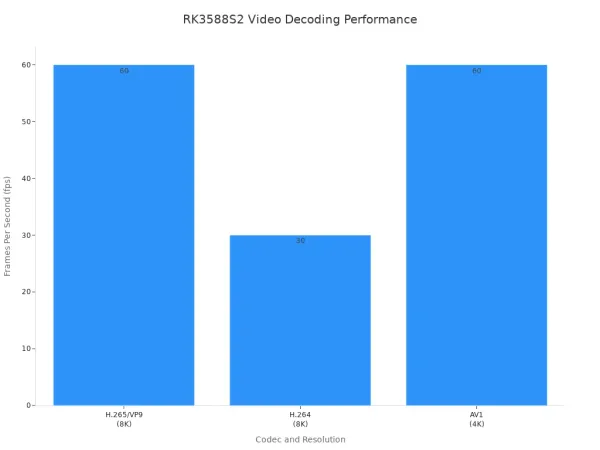
This level of multimedia performance, supported by its heterogeneous multicore components, makes the electronic device a premier choice for next-generation visual applications.
Strategic Design: The RK3588S2 Niche
The true genius of the rk3588s2 lies not in what it includes, but in what it strategically omits. While sharing the same powerful heterogeneous multicore processing core as its larger sibling, its design focuses on a specific market niche. This approach trims features that are unnecessary for many high-volume electronic applications. The result is a System-on-Chip (SoC) that delivers premium performance without the cost and complexity of superfluous I/O. This balance makes its electronic components ideal for targeted products.
RK3588S2 vs. RK3588: Strategic I/O
The primary difference between the RK3588 and the rk3588s2 is the thoughtful reduction of input/output interfaces. This is not a weakness. It is a deliberate engineering choice aimed at optimizing the bill of materials (BOM) and simplifying circuit board design for specific use cases. The reliability of these electronic components is a key consideration.
A direct comparison reveals how these heterogeneous components are tailored for different needs.
| Feature / SoC | RK3588 (Full Version) | RK3588S2 (Streamlined) |
|---|---|---|
| PCIe / SATA | Most generous I/O (more PCIe lanes, dedicated SATA) | Reduced I/O; supports NVMe/PCIe and SATA via multiplexed interfaces |
| Camera Input | 2x 4-lane or 4x 2-lane MIPI-CSI | 1x 4-lane or 2x 2-lane MIPI-CSI |
| USB (Type-C) | 2x Full-function USB 3.1 Type-C | 1x Full-function USB 3.1 Type-C |
This streamlined set of components makes the chip a perfect fit for devices where an extensive array of ports is not required. For example, many smart displays, advanced digital signage, and compact AI boxes do not need multiple camera inputs or dual Type-C ports. The heterogeneous multicore architecture provides the processing power, while the simplified I/O reduces physical footprint and manufacturing cost.
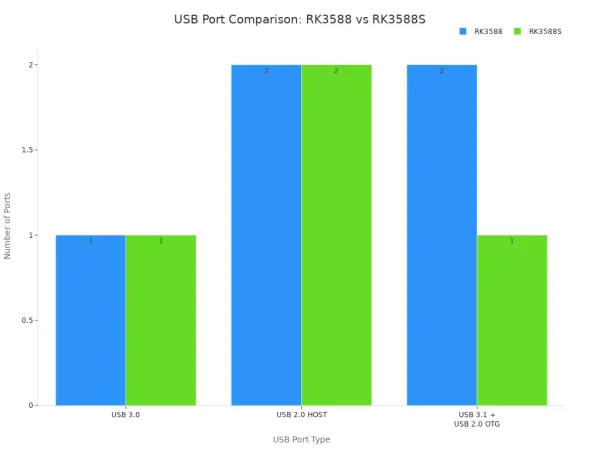
Note: The reduction in I/O directly translates to a less complex printed circuit board (PCB). A simpler circuit requires fewer layers and components, lowering production costs and improving manufacturing yield for mass-market electronic products. This is one of the essential criteria for selecting electronic components in high-volume scenarios.
Power Efficiency and Thermal Design
Beyond I/O, the chip’s design excels in power efficiency. The heterogeneous multicore processor, with its mix of performance and efficiency cores, already provides a solid foundation for managing power consumption. The streamlined package of electronic components further enhances this advantage.
The RK3588 family operates within a typical Thermal Design Power (TDP) of 15W to 25W under load. This low thermal envelope is a critical feature for modern embedded systems.
- Fanless Designs: The low heat output allows engineers to create completely silent, fanless devices. This is ideal for consumer electronics like media players or office equipment where noise is undesirable.
- Battery-Powered Applications: Excellent efficiency extends battery life in portable devices. This makes the powerful multicore processor viable for mobile or battery-backed real-time systems.
- Compact Form Factors: A lower thermal output means less need for bulky heatsinks. This allows for smaller, more elegant product designs without sacrificing performance.
The multicore architecture ensures the electronic device can handle demanding tasks, while its efficient design keeps the circuit cool. This combination of high performance and low power is what positions these heterogeneous components as a leading choice for the next wave of intelligent edge devices. The multicore design of these circuits provides a distinct advantage.
Market Wins and Ecosystem Support
A processor's success depends on more than its internal components. Market adoption and developer support are critical. The RK3588S2 excels here, finding its place in innovative electronic products and fostering a growing ecosystem. This support structure ensures the long-term viability of its heterogeneous components.
Winning Use Cases for Electronic Products
The chip's focused design translates directly into market victories. Its powerful multicore processor and media engine make it a prime choice for advanced electronic devices. For example, the TREND Mobile Smart Screen is a modern electronic device that uses the RK3588S2. It delivers 8K video and AI-enhanced features for hybrid meetings. This shows how its heterogeneous architecture supports next-generation applications.
The chip's capabilities extend beyond consumer gadgets. Its ability to decode up to 32 channels of 1080p video in real-time makes it perfect for:
- Advanced Digital Signage: Driving multiple high-resolution displays from a single, cost-effective unit.
- Compact AI Vision Systems: Processing multiple camera feeds for security or quality control.
- Complex Industrial Control Applications: Providing the processing power for real-time monitoring and automation.
The reliability of these electronic components is crucial for such demanding applications. The design of the internal circuit and its heterogeneous components delivers on this need.
The Value of Software and Community
Powerful hardware requires robust software and an active community. The RK3588S2 is supported by a strong ecosystem that empowers developers. Rockchip provides a comprehensive Software Development Kit (SDK) with tools like the RKMPP library. This SDK unlocks hardware-accelerated video transcoding for all the multicore processor's components.
OS Flexibility: Developers have multiple options. The chip supports modern Android versions, including Android 14 and Android TV. For Linux users, Armbian offers official support, while active communities create builds for Debian and Ubuntu.
This software foundation is strengthened by a vibrant developer community. Forums for Armbian, LibreELEC, and Orange Pi host active discussions. Resources like the "awesome-RK3588" GitHub repository gather essential documentation, tools, and sample code. This collective effort makes it easier to build and troubleshoot embedded electronic systems. The community ensures that the heterogeneous multicore chip's components are well-utilized, making the entire circuit and its architecture accessible.
The rk3588s2's competitive advantage is clear. Its strength is not having the most features, but the right electronic components for specific jobs. This heterogeneous multicore chip delivers elite processing in a focused package. The design improves cost-efficiency and the reliability of its heterogeneous components.
As the market for electronic devices shifts towards on-device AI and premium displays, the chip's multicore architecture is perfectly positioned. Its heterogeneous components provide the power for these next-generation applications.
For designers of embedded electronic products, this processor is a top choice. Consider its powerful multicore components for real-time projects where high-end media and AI are critical but extensive I/O is not.
FAQ
What is the main difference between the RK3588S2 and the RK3588?
The RK3588S2 features streamlined I/O interfaces. This design simplifies the board layout for specific electronic products. It retains the same powerful core processing components as the full RK3588, offering a more cost-effective package.
What is the ideal market for the RK3588S2?
The chip targets high-volume electronic devices like smart displays and compact AI boxes. Cost and a small footprint are the essential criteria for selecting electronic components in these markets. Its focused design makes these components ideal for mass production.
Can the RK3588S2 handle modern AI tasks?
Yes. Its integrated 6 TOPS NPU delivers excellent AI performance. The processor's components accelerate complex machine learning models directly on the device. This capability is perfect for intelligent electronic applications requiring real-time inference. 🤖
What operating systems does the RK3588S2 support?
The processor supports modern Android and multiple Linux distributions. Rockchip provides a comprehensive SDK. Active developer communities also offer builds for systems like Armbian, Debian, and Ubuntu, ensuring robust software support for its hardware components.