Cost Analysis: Real-World Applications and Pricing Trends for RF Modules
Expert guide on Cost Analysis: Real-World Applications and Pricing Trends for RF Modules. Technical specs, applications, sourcing tips for engineers and buyers.
Introduction
The global demand for RF (Radio Frequency) modules has been on a significant rise due to the proliferation of wireless communication technologies. From Wi-Fi to cellular networks, RF modules are the backbone of modern communication systems. As per the Semiconductor Industry Association, the global semiconductor revenue is expected to reach $595.2 billion by 2026, showcasing a 19% year-over-year increase. This growth underscores the critical role that RF modules play in the semiconductor industry. Understanding the specifications, applications, and pricing trends of these components is vital for engineers and procurement specialists alike.
Technical Overview
RF modules are integral components in wireless communication systems, responsible for transmitting and receiving radio waves. They operate over various frequency bands, typically ranging from a few MHz to several GHz. Key parameters in RF modules include frequency range, output power, sensitivity, and data rate. These parameters are crucial in determining the suitability of a module for specific applications, such as IoT devices, smartphones, or industrial automation systems.
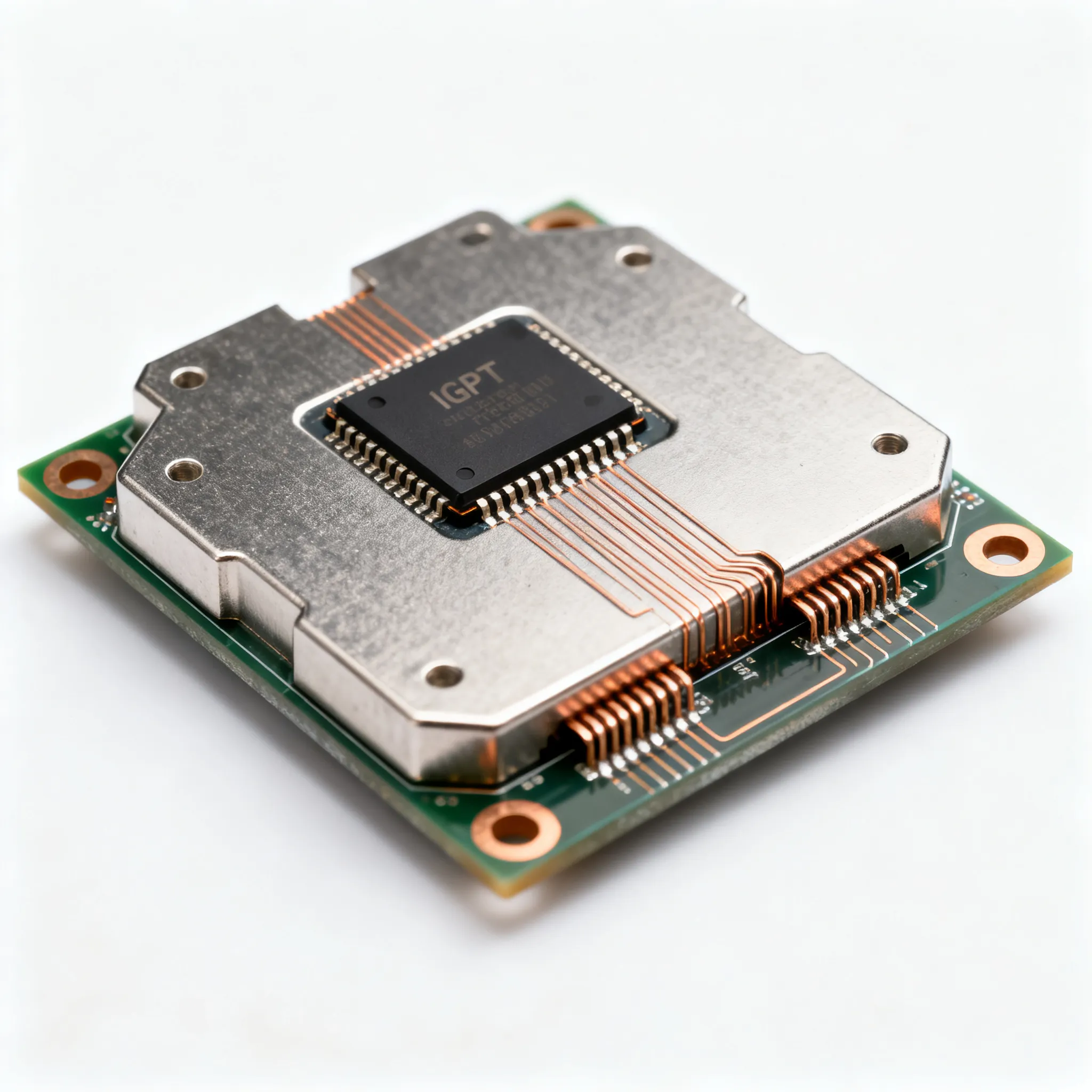
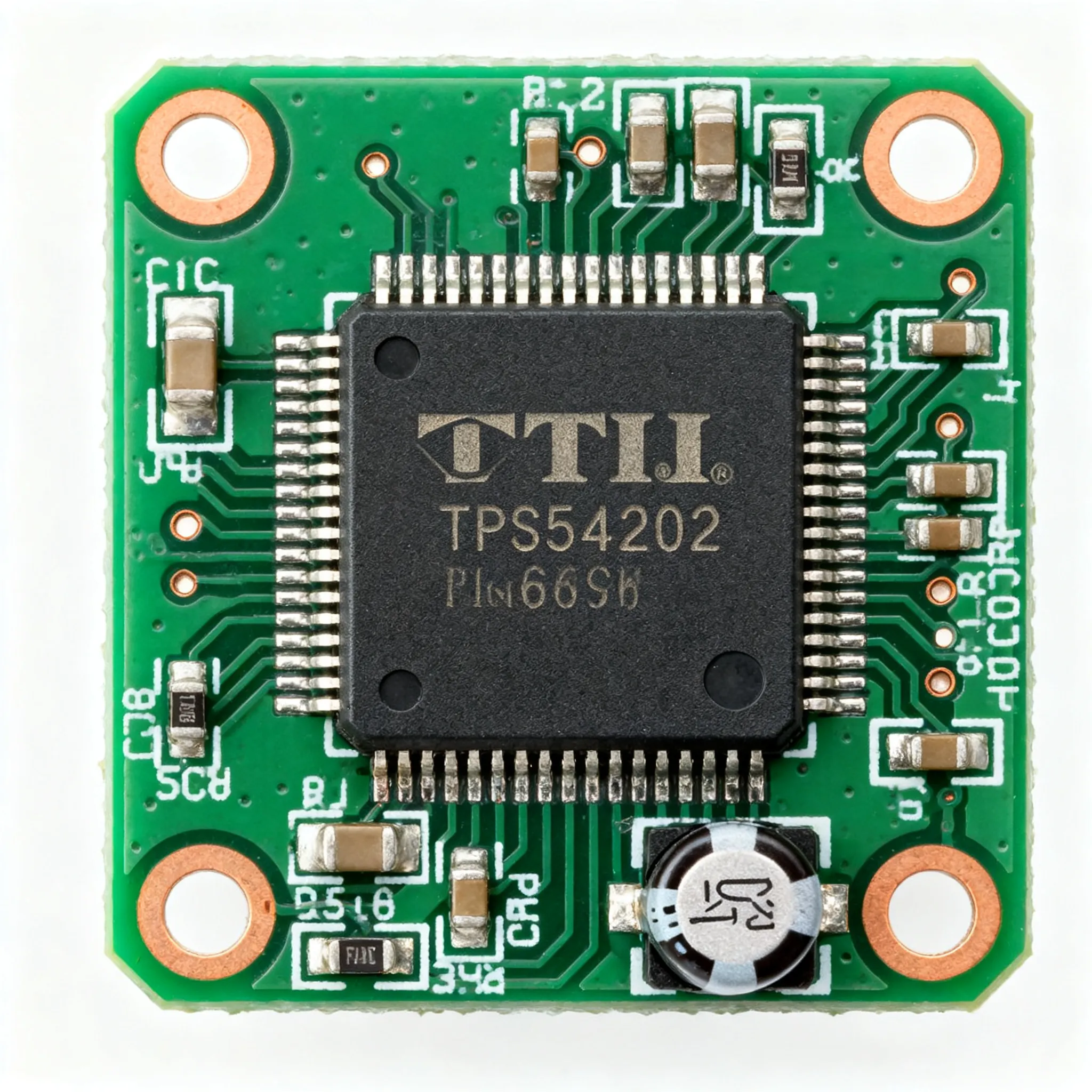
The design of RF modules involves a combination of analog and digital circuitry, which requires meticulous attention to detail to ensure optimal performance. Techniques such as impedance matching, filtering, and amplification are employed to enhance signal quality and minimize interference. Moreover, advancements in semiconductor technology have led to the development of highly integrated RF modules, which offer improved efficiency, reduced size, and lower power consumption.
Detailed Specifications
Table 1: Electrical Specifications
| Parameter | Value | Units | Notes |
|---|---|---|---|
| Frequency Range | 2.4 - 2.5 | GHz | Common for Wi-Fi and Bluetooth |
| Output Power | 20 | dBm | Max transmit power |
| Sensitivity | -95 | dBm | At 1 Mbps data rate |
| Data Rate | 250 | kbps | Suitable for low-power applications |
| Operating Voltage | 3.3 | V | Typical supply voltage |
| Current Consumption | 15 | mA | In active mode |
| Impedance | 50 | Ohms | Standard RF impedance |
| Modulation Type | GFSK | - | Gaussian Frequency Shift Keying |
| Harmonic Suppression | -40 | dBc | Ensures minimal interference |
| Spurious Emissions | -50 | dBm | Below regulatory limits |
Table 2: Thermal & Mechanical Specs
| Parameter | Value | Units | Notes |
|---|---|---|---|
| Operating Temperature | -40 to 85 | °C | Industrial grade |
| Storage Temperature | -55 to 125 | °C | Safe for transport and storage |
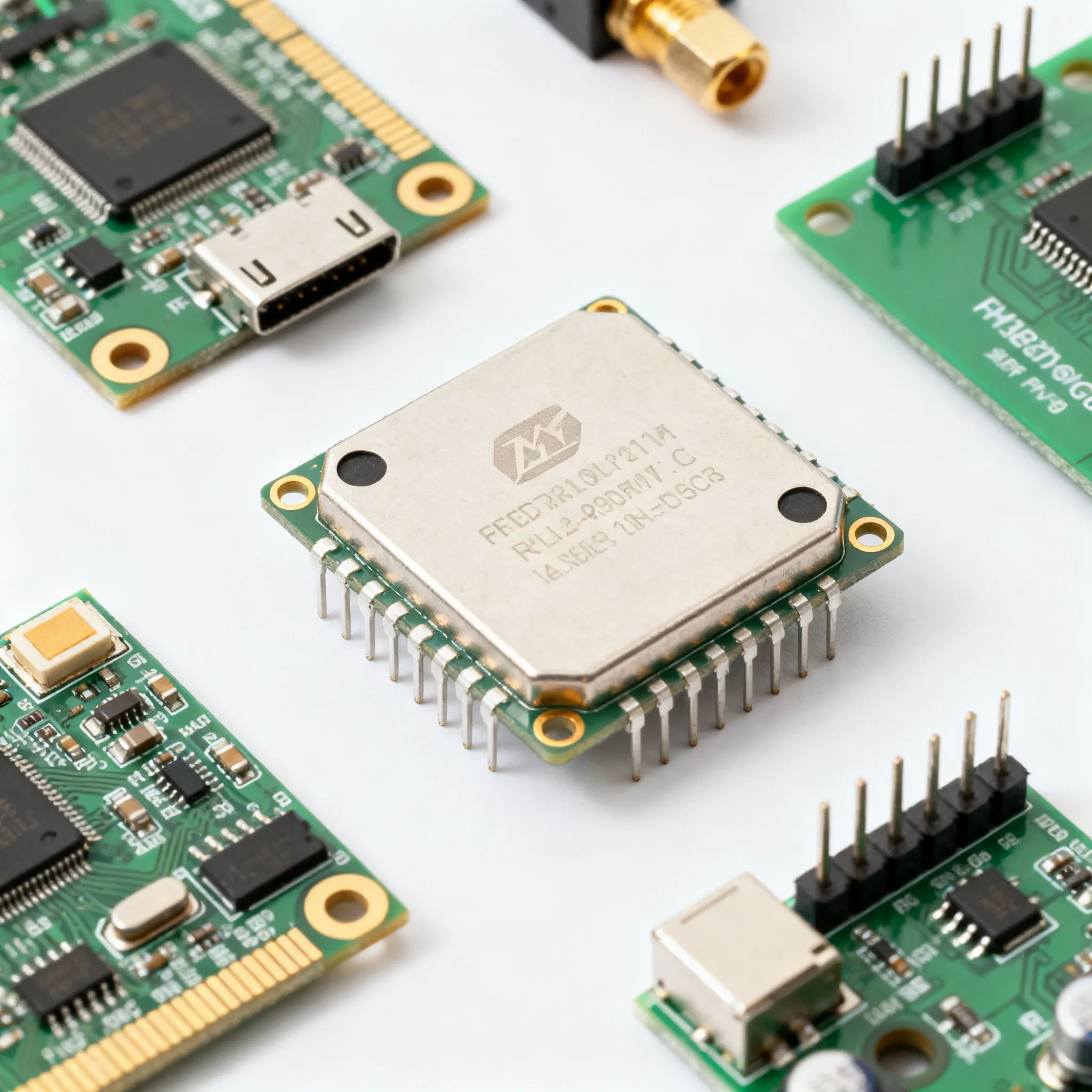
| Dimensions | 15 x 15 x 3 | mm | Compact form factor |
| Weight | 5 | g | Lightweight design |
| Thermal Resistance | 20 | °C/W | Efficient heat dissipation |
| Mounting Type | Surface Mount | - | Standard SMT |
| Shock Resistance | 1500 | g | High durability |
| Vibration Resistance | 20 | g | Withstands mechanical vibrations |
Table 3: Application Comparison
| Application | Frequency Band | Data Rate | Typical Module | Notes |
|---|---|---|---|---|
| Wi-Fi | 2.4 GHz | 54 Mbps | ESP8266 | Common in home networks |
| Bluetooth | 2.4 GHz | 3 Mbps | CC2541 | Short-range communication |
| LoRa | 868/915 MHz | 0.3 - 50 kbps | SX1276 | Long-range, low-power IoT |
| ZigBee | 2.4 GHz | 250 kbps | CC2530 | Mesh networking |
| Cellular (LTE) | 700 MHz - 2.6 GHz | Up to 300 Mbps | SIM7600 | Wide-area connectivity |
Design Considerations
When designing with RF modules, several factors must be taken into account to ensure optimal performance. First and foremost, the selection of the frequency band is crucial. Depending on the application, engineers must choose a band that offers the right balance between range, data rate, and regulatory compliance. For instance, Wi-Fi and Bluetooth commonly operate in the 2.4 GHz band, offering moderate range and high data rates.
Another key consideration is the module's output power and sensitivity. These parameters determine the effective range and reliability of the communication link. Higher output power can extend the range but may also lead to increased power consumption and potential interference with other devices. Sensitivity, on the other hand, dictates the module's ability to receive weak signals, which is especially important in long-range applications like LoRa.
Impedance matching is another critical aspect of RF design. Ensuring that the module's impedance matches that of the antenna and transmission line helps minimize signal reflections and losses. This can be achieved through the use of matching networks, which typically consist of inductors and capacitors.
Thermal management is also essential, as RF modules can generate significant heat during operation. Proper heat dissipation techniques, such as using heat sinks or thermal vias, can prevent overheating and ensure reliable performance. Additionally, the mechanical design should account for environmental factors such as shock and vibration, which can affect the module's longevity.
Step-by-Step Guide
- Define Application Requirements: Begin by outlining the specific requirements of your application, such as range, data rate, and power consumption.
- Select the Appropriate RF Module: Use resources like DigiKey Electronics to find a module that meets your requirements. For example, if you need a Wi-Fi module, consider ESP8266.
- Design the Circuit: Create a schematic that includes the RF module, power supply, and any necessary matching networks. Ensure that the module's input and output are properly matched to the antenna.
- Prototype and Test: Build a prototype of your circuit and conduct initial testing to verify performance. Pay attention to parameters such as output power, sensitivity, and data rate.
- Optimize for Performance: Based on test results, make any necessary adjustments to improve performance. This may involve tweaking the matching network or adjusting the supply voltage.
- Address Thermal Management: Implement thermal management solutions, such as heat sinks or thermal pads, to ensure the module operates within its specified temperature range.
- Compliance Testing: Conduct regulatory testing to ensure the module complies with relevant standards, such as FCC or CE, for your target market.
- Finalize and Manufacture: Once testing is complete, finalize your design and proceed to mass production. Ensure that quality control measures are in place to maintain consistency.
Common Issues & Solutions
- Interference from Other Devices: Use filters and shielding to minimize interference from nearby electronic devices.
- Poor Signal Quality: Check impedance matching and ensure the antenna is properly positioned and oriented.
- Overheating: Implement effective thermal management strategies, such as using heat sinks or thermal pads.
- Regulatory Non-Compliance: Conduct thorough compliance testing and ensure all documentation is in order.
- Limited Range: Consider increasing the output power or using a higher-gain antenna to extend the range.
Applications & Use Cases
RF modules find applications in a wide range of industries. In consumer electronics, they are used in smartphones, tablets, and home automation systems. In industrial settings, RF modules enable wireless sensor networks and machine-to-machine communication. The automotive industry leverages RF technology for keyless entry systems and vehicle-to-infrastructure communication. Additionally, RF modules play a crucial role in the Internet of Things (IoT), facilitating connectivity in smart cities, agriculture, and healthcare.
Selection & Sourcing Guide
Selecting the right RF module involves evaluating the specific needs of your application and comparing different options based on key specifications. Once you've identified a suitable module, sourcing it from a reliable distributor is crucial. IC Online offers a wide selection of RF modules with competitive pricing and fast delivery.
FAQ
- What is the typical range of an RF module? The range depends on factors such as frequency, output power, and environment, but it can vary from a few meters to several kilometers.
- How do I choose the right frequency band? Consider the application's range, data rate, and regulatory requirements when selecting a frequency band.
- What are the common modulation types for RF modules? Common modulation types include GFSK, QAM, and OFDM, each offering different trade-offs in terms of complexity and performance.
- Why is impedance matching important? Impedance matching minimizes signal reflections and losses, ensuring efficient power transfer between the module and the antenna.
- Can RF modules be used in harsh environments? Yes, many RF modules are designed to operate over wide temperature ranges and withstand mechanical shocks and vibrations.
- What is the role of an antenna in an RF module? The antenna is crucial for transmitting and receiving signals, and its design significantly impacts the module's performance.
- Are there any open-source RF module designs? Yes, several open-source designs are available, particularly for popular modules like the ESP8266 and CC2530.
- What factors affect the cost of an RF module? Factors include the complexity of the module, frequency band, integration level, and market demand.
- How do I ensure regulatory compliance for my RF module? Conduct thorough testing and certification with recognized bodies, such as the FCC or CE.
- What are the latest trends in RF module technology? Trends include increased integration, support for higher data rates, and enhanced power efficiency.
Conclusion
RF modules are pivotal in the advancement of wireless communication technologies, offering versatile solutions for a wide array of applications. Understanding their specifications, design considerations, and market trends is essential for engineers and procurement specialists. By leveraging reliable resources and adhering to best practices, you can ensure successful implementation and integration of RF modules in your projects.