The True Cost of PCB Board Assembly Manufacturing: Budgeting Beyond the Basics
Many companies start pcb board assembly projects thinking costs are simple. But pcb manufacturing often has many hidden costs. Companies often spend more than planned because they miss these extra costs.
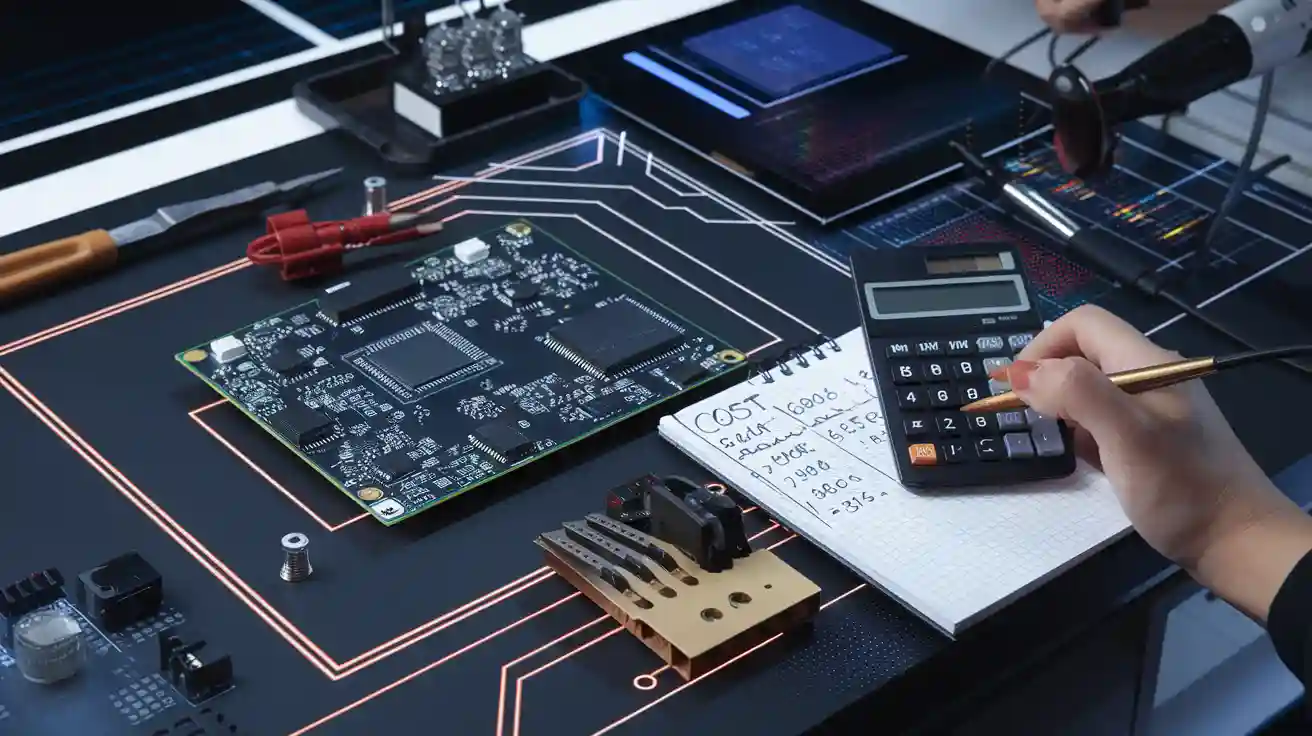
Many companies start pcb board assembly projects thinking costs are simple. But pcb manufacturing often has many hidden costs. Companies often spend more than planned because they miss these extra costs. These hidden costs can be things like maintenance, installation, software licensing, and downtime:
-
Maintenance and software updates can stop pcb manufacturing for days. This can cause big money problems.
-
Downtime alone can cost more than $10,000 each day. This can hurt the business.
-
In five years, the total cost for one printed circuit board inspection system can be more than double the starting price.
Knowing every cost in pcb board assembly helps companies avoid surprise bills. It also helps them make better pcb manufacturing choices.
Key Takeaways
-
PCB assembly costs have direct expenses like materials and labor. There are also hidden costs like equipment maintenance, testing, and shipping fees.
-
Complex boards with many layers or small parts cost more. Special finishes also make costs go up. This is because they need extra materials, skilled labor, and more testing.
-
Planning for all costs, even indirect ones like training and overhead, is important. It helps avoid surprise expenses and keeps projects on budget.
-
Using should-cost analysis and working with trusted suppliers can help find savings. It also makes budgeting more accurate.
-
Smart design choices, bulk orders, and good supply chain planning lower costs. These steps help make PCB manufacturing go smoothly.
PCB Board Assembly Direct Costs

Materials and Components
Materials and components are the base of pcb board assembly. The type of raw materials, like copper or fiberglass, changes the price and quality. Different surface finishes, such as HASL or ENIG, can make the pcb cost more. Some finishes are needed for small or strong parts, which raises the price. If the pcb is more complex, it costs more to make. More layers, heavy copper, or thin lines add to the cost. Small vias and thin traces need special machines, which cost extra. The table below shows how these things change the cost:
|
Component Aspect |
Impact on Direct Cost of PCB Assembly |
|---|---|
|
Surface Finish |
Advanced finishes increase cost for fine pitch and durability. |
|
PCB Complexity |
More layers, heavier copper, and smaller features raise costs. |
|
Component Type |
Fine pitch and high signal integrity parts require precise assembly, increasing cost. |
|
Physical Characteristics |
Smaller vias and larger size need advanced equipment, raising assembly costs. |
Raw material costs are a big part of the total cost. Companies should watch these costs to avoid surprises.
Labor and Assembly
Labor and assembly costs depend on how the pcb is made. Manual assembly needs skilled workers and takes longer, so it costs more. Fully automated assembly uses machines to put parts on, which saves time and money. The table below compares the types of assembly:
|
Assembly Type |
Initial Setup Cost |
Labor Cost |
Production Speed |
Explanation |
|---|---|---|---|---|
|
Manual Assembly |
Low |
High |
Low |
Skilled workers needed; longer time per board increases costs. |
|
Semi-Automated |
Moderate |
Moderate |
Moderate |
Machines help, but some manual work remains. |
|
Fully Automated |
High |
Low |
High |
Machines handle most tasks, lowering labor costs and boosting speed. |
Surface Mount Technology (SMT) uses machines to lower labor costs. This is helpful for making many pcbs. Companies that use automation often pay less for assembly over time.
Testing and Inspection
Testing makes sure every pcb is good before shipping. Testing and inspection usually cost about 5% to 10% of the total. These costs include machines, workers, and fixing any problems. Common tests are In-Circuit Testing (ICT), Flying Probe Testing, AOI, Burn-In Testing, X-Ray Inspection, and Functional Testing. Each test has its own cost:
|
Testing Method |
Description |
Cost Characteristics |
|---|---|---|
|
In-Circuit Testing (ICT) |
Powers and checks circuits; needs special access points. |
Most expensive; setup can cost tens of thousands of dollars. |
|
Flying Probe Testing |
Checks for shorts, opens, and other issues without power. |
Less expensive than ICT; better for small orders. |
|
AOI |
Uses cameras to spot visual defects early. |
Lower cost; often combined with other tests. |
|
Burn-In Testing |
Runs boards under stress to find early failures. |
Time-consuming and can be destructive. |
|
X-Ray Inspection |
Looks at hidden solder joints and traces. |
Very expensive and slow; needs skilled operators. |
|
Functional Testing |
Checks if the product powers up and works. |
Time-consuming; used for final quality assurance. |
Testing helps stop defects and costly recalls. Companies should plan for testing as an important part of pcb board assembly.
Hidden and Indirect Cost Factors
Equipment and Facility
Every pcb manufacturing plant has hidden costs for equipment and the building. These costs are not just for starting up. Each year, companies spend $10,000 to $50,000 on fixing and keeping machines working. This spending helps stop machines from breaking down. Rent or lease for the building also costs $10,000 to $50,000 each year. The price depends on where the plant is and how big it is. These costs help the plant run well and avoid sudden stops.
|
Expense Component |
Estimated Annual Cost |
Notes |
|---|---|---|
|
Equipment Maintenance and Repairs |
$10,000 - $50,000 |
Regular maintenance reduces downtime and emergency repair costs in pcb manufacturing. |
|
Facility Rent or Lease Payments |
$10,000 - $50,000 |
Costs vary by location, size, and lease terms, essential for operational continuity. |
Upgrading the plant also changes how much things cost. Upgrades need a lot of money at first. This money goes to better buildings, air systems, and power. These upgrades help the business work faster and make fewer mistakes. They also help with automation. Over time, better energy systems and regular care lower bills. Good air and waste systems help the plant follow rules and avoid fines. Bigger and more automated plants cost more at first. But they save money later because they work faster and better.
Tip: Spending money on upgrades can save money later and make every high-quality product better.
Compliance and Quality
Following rules and making sure products are good costs a lot. To meet industry rules, companies need special setups, skilled workers, and strict checks. These things make the business spend more money. Even with machines, checking for mistakes is still needed. Finding and fixing problems early stops big recalls but costs more.
Manufacturers must use approved parts and follow set steps to meet rules. PCBs that need more rules cost more than simple ones. The business must plan for these costs to avoid fines and make sure customers get a high-quality product.
-
Special setups and skilled workers cost more.
-
Checking quality and testing adds to the total cost.
-
Following rules needs special designs and approved parts.
-
More rules mean even higher costs.
Logistics and Shipping
Moving and shipping products brings costs that are hard to guess. Shipping prices change with weight, speed, and where the product goes. Fast shipping and sending things overseas make each pcb board assembly cost more. Customs and import fees, like a 10% tax on a $15,000 order, add $1,500 to the total. These fees change a lot, so it is hard to know the final cost.
Shipping rules in other countries can slow things down. Busy ports, customs checks, and strikes can mess up schedules. Gas prices, worker shortages, and new rules make shipping cost more. During COVID-19, not enough containers and busy ports made shipping prices go up. Some companies use more suppliers or move work closer to home to lower risks. But this brings new costs for planning and keeping track of parts.
-
Shipping costs change with speed and method.
-
Customs and import fees make the total cost higher.
-
Rules and delays can slow down production.
-
Using more suppliers or moving work adds new costs.
Training and Overhead
Training and overhead costs often surprise companies making pcbs. Training workers all the time makes hidden costs go up. The business pays for teachers, tools, and space for training. Workers do not make products while training, so they lose pay. This makes the hourly wage for soldering technicians about $5.47 higher. Supervisors who help with training add another 10% to the wage. These hidden costs make it harder to keep skilled workers.
Overhead also means rent, power, and fixing machines. These costs do not show up in the price of each pcb board assembly but still matter. Making test products and fixing mistakes costs more when there are design errors or missing parts. If the business does not plan, these hidden costs can grow fast.
Note: Planning for training and overhead helps the business avoid surprise costs and keeps the pcb manufacturing plant working well.
PCB Assembly Cost Drivers
Board Complexity
How complex a board is changes how much it costs. If a board is more complicated, it needs special steps to make. Boards with many layers use more materials and need careful work. Small parts and tiny holes need special machines and skilled workers. These things make the cost go up. Fancy boards may need gold or thin lines, which cost more. Harder boards also need more tests to make sure they work. This adds even more to the price.
-
More layers and tight spaces mean more money for materials and work.
-
Tiny parts and tricky designs need special machines.
-
Special features need lots of testing, which costs more.
Component Count
The number of parts on a board changes the price. More parts mean it takes longer to put together. This makes workers spend more time and costs more money. Tiny and close-together parts need careful machines and extra care. Each part, like resistors or chips, adds to the total cost. When there are more parts, it takes longer to build. This makes the whole project cost more.
-
Boards with lots of parts need better machines, which cost more.
-
More parts also mean more chances for mistakes, so checking costs go up.
Number of Layers
How many layers a board has changes the price a lot. Boards with more layers need more stuff and harder steps to make. Drilling holes in thick boards takes longer and must be very careful. Each new layer means workers must line things up just right. Boards with many layers can cost much more than simple ones. Using fewer layers is a good way to save money.
|
PCB Type |
Cost per Unit (Low Volume) |
Cost per Unit (Bulk Orders) |
|---|---|---|
|
$1 to $5 |
Below $1 |
|
|
Double-Layer PCB |
$1 to $10 |
N/A |
|
Multi-Layer PCB (4-layer) |
$10 to $20 |
20% to 50% discount |
Location and Supply Chain
Where the board is made and how parts are bought changes the cost. Local places can make boards faster and are easier to talk to. But they usually cost more. Factories in other countries might be cheaper because workers get paid less. But shipping takes longer and can be tricky. Checking if parts are easy to get and using common parts helps keep costs down. Good planning stops delays and keeps prices steady. Companies also need to think about part quality and keeping their ideas safe.
Tip: Using common parts and having backup plans helps save money and stops delays.
PCB assembly can cost from $5 to $50 or even more for each board. Knowing what changes the price helps companies make smart choices.
PCB Manufacturing Influences
Setup and Equipment Investment
Starting a pcb manufacturing plant needs good planning. Companies spend a lot of money at the beginning. They must buy machines and set up production lines. Quality control systems are also needed. The equipment can cost hundreds of thousands of dollars. Planning for these costs stops money problems later. Many companies use automated machines to save on labor. Automation also helps make better products. Safety systems and environmental controls are part of the setup. These keep workers safe and help meet industry rules. Companies that plan well can lower long-term pcb manufacturing costs.
Order Volume
Order volume is important for pcb manufacturing costs. Large orders make each pcb cheaper to produce. This is because costs are spread over more boards. Buying materials in bulk also saves money. Small orders cost more per pcb because of setup and changeover. Companies should think about order size when planning. Grouping orders or working with others can help save money. Making more boards at once makes the process faster and cheaper.
Lead Time
Lead time changes how much pcb manufacturing costs. Short lead times cost more because of fast shipping or rush work. Longer lead times let companies plan better and spend less. Managing lead time well keeps costs down and projects on track. Delays can cause missed deadlines and higher costs. Companies should talk with suppliers to manage lead time. Good planning keeps the plant running well and controls costs.
Note: Companies that know about setup, order volume, and lead time can control pcb manufacturing costs and plan better for starting up.
Budget Strategies
Identifying All Costs
To make pcb manufacturing work well, you need to know every cost. Many companies only look at materials and labor. But there are hidden costs that can surprise even smart teams. To make a good budget, you must check both direct and indirect costs.
-
Direct costs are things like PCB substrates, components, and solder paste. Labor for each step is also a direct cost.
-
Indirect costs are things like power, rent, and keeping machines working. Quality checks and shipping also add to the total.
-
Testing and inspection, like AOI, ICT, and X-ray, can cost a lot. Fixing mistakes or changing designs also costs more money.
-
If the board is complex, with more layers or mixed parts, costs go up for both direct and indirect things.
-
Making more boards at once spreads out setup costs. Big orders help you get discounts and make things faster.
A company should collect things like Gerber files, BOM details, and how many boards they want to make. These papers help guess costs more exactly. There are two main ways to find all costs:
|
Method |
Description |
|---|---|
|
Direct Costing |
Adds up all direct expenses for materials and labor. |
|
Activity-Based Costing |
Allocates indirect costs based on specific activities in manufacturing. |
Tip: Breaking down costs and having good paperwork helps companies avoid surprise bills in pcb manufacturing.
Should-Cost Analysis
Should-cost analysis is a strong way to make a better budget for pcb manufacturing. This method looks at every step, from raw materials to shipping. By adding up each part, teams see where the money goes.
-
Should-cost analysis finds hidden costs that suppliers may not tell you about.
-
Companies can check their own costs against what suppliers charge. This helps them see if prices are too high and ask for better deals.
-
The analysis shows ways to save money, like using standard parts or new suppliers.
-
Teams can change designs and lower risks by knowing what each thing costs.
-
Using should-cost analysis in real life often saves money and stops budgets from going over.
A company that uses should-cost analysis can change its budget before problems start. This helps with planning and makes working with suppliers better.
Cost Optimization Tips
Saving money starts early in pcb manufacturing. Smart choices in design and buying can lower costs without hurting quality. Here are some ways to do this:
-
Pick cheaper materials like FR4 or other copper to save money.
-
Make drilled holes and tool slots bigger to spend less on tools.
-
Use single-sided assembly when you can. Double-sided costs more.
-
Choose cheaper platings and coatings to save on materials.
-
Stay away from leadless parts like QFNs and BGAs. These make checking and fixing harder and cost more.
-
Pick SMD case sizes carefully. Going from 0603 to 0402 can save money, but smaller sizes may cost more.
-
Put more parts on one side to avoid double-sided assembly.
-
Do not overlap BGAs or QFNs. This makes building easier and avoids costly vias or HDI layers.
Using these ideas early can help a company save up to 10% on pcb manufacturing.
Working with suppliers is also important. Companies should:
-
Build good relationships with trusted suppliers.
-
Ask for detailed quotes and check them with should-cost analysis.
-
Watch how suppliers do and fix problems fast.
-
Have backup suppliers to avoid delays or shortages.
A company that does these things can keep costs down, make better products, and finish projects on time.
Common Pitfalls
Underestimating Indirect Costs
Many teams only look at direct costs in pcb manufacturing. They forget about hidden costs like training and equipment care. Energy bills are also easy to miss. Missing these costs can make the budget too small. If teams skip regular machine care, machines can break down. This stops work and makes costs go up. Production slows down when machines do not work. Teams should add overhead, testing, and shipping to their budgets. Careful cost checks help find ways to save money and stop surprises.
Tip: Always check both direct and hidden costs before starting a pcb manufacturing project.
Ignoring Quality and Compliance
Some companies try to save money by picking cheap materials or skipping checks. This can make boards break and cost more later. Not following rules can mean failed tests or product recalls. These mistakes hurt the company’s name and raise costs. Teams should pick good materials like FR-4 and standard copper. They should follow DFM rules to help make better boards. Working with manufacturers early helps fix designs and avoid extra work.
|
Mistake |
Consequence |
Solution |
|---|---|---|
|
Using low-quality parts |
More failures, higher costs |
Choose reliable materials |
|
Skipping DFM reviews |
Delays, expensive rework |
Collaborate early with experts |
|
Ignoring compliance |
Fines, recalls, lost customers |
Follow industry standards |
Overlooking Supply Chain Risks
Problems in the supply chain can stop pcb manufacturing and raise costs. Late parts or price jumps can stop work. Using only one supplier is risky for teams. Planning for these risks is very important. Companies should use more than one supplier and use common part sizes. Buying in bulk and using panelization can lower costs for each board. Planning production early helps avoid rush fees and shortages.
-
Use backup suppliers to stop delays.
-
Use common parts to make building easier.
-
Plan orders early to save money.
Note: Good supply chain planning keeps pcb manufacturing running and controls costs.
Finishing a PCB board assembly project takes more than just watching simple costs. Teams need to know about every direct, indirect, and hidden cost. This helps them not get surprised by extra bills. Smart companies look closely at all costs and plan ahead. They check what makes costs go up and use good ways to keep spending low.
When teams think about every cost, they can do better on projects and keep more money. Using these budgeting ideas helps them make smart choices and do well for a long time.
FAQ
What is the biggest hidden cost in PCB assembly?
Many companies do not expect equipment maintenance and downtime. These problems can stop work fast and cost a lot of money.
How can a company reduce PCB assembly costs?
-
Pick standard parts.
-
Make board designs simple.
-
Buy more boards at once.
-
Work with trusted suppliers.
Doing these things helps save money on all costs.
Why does board complexity affect the final price?
When a board is complex, it needs special machines and skilled workers. More layers, tiny parts, and special finishes make each board cost more.
What documents help with accurate PCB cost estimates?
|
Document Type |
Purpose |
|---|---|
|
Gerber Files |
Show how the board looks |
|
BOM (Bill of Materials) |
List every part needed |
|
Assembly Drawings |
Give steps for putting together |
These papers help suppliers give exact prices.