What Makes a Starter Relay Essential for Your Engine
A starter relay controls high current to the starter motor, protecting your ignition and ensuring reliable engine starts. What does a starter relay do?
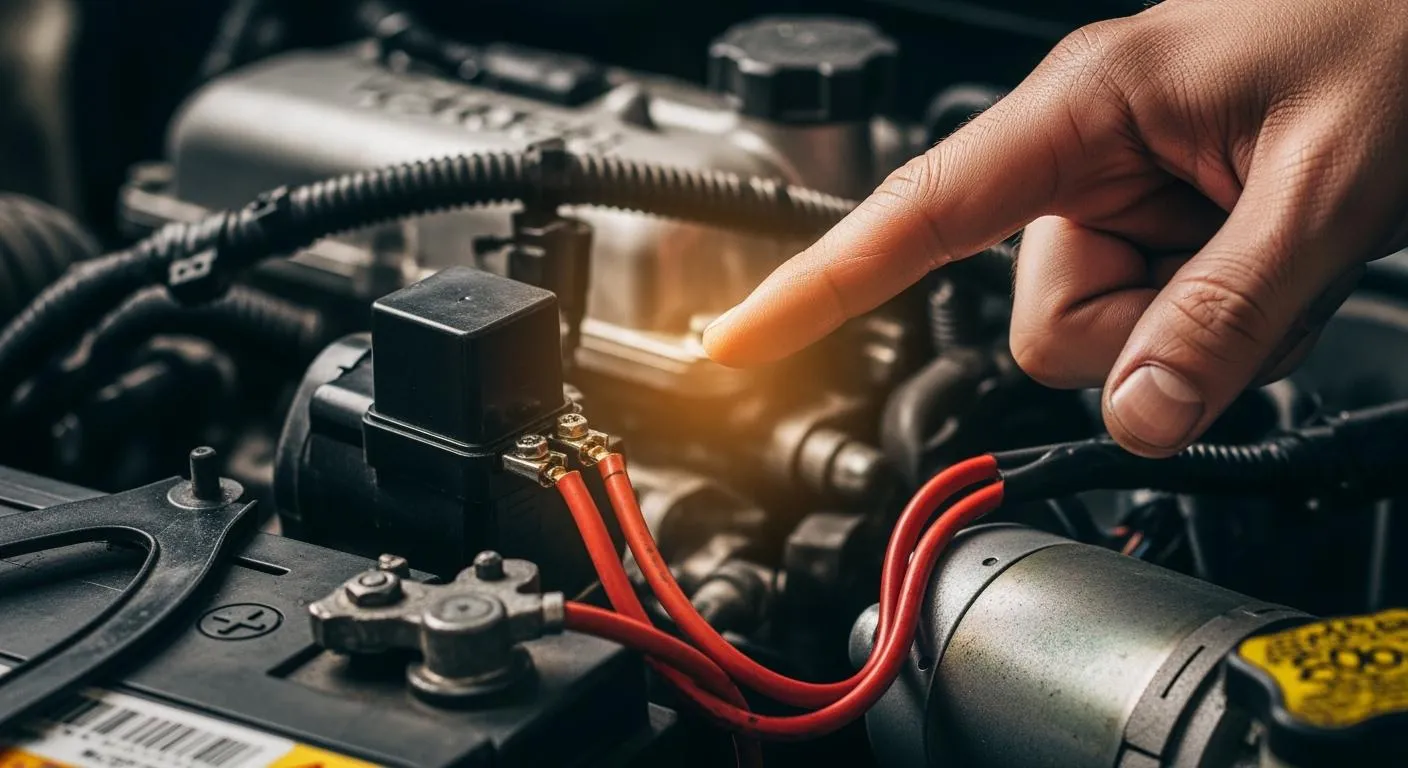
A starter relay is essential for your engine because it manages the flow of electricity during engine startup. You can think of it as a powerful switch that safely connects your battery to the starter motor. This device protects your electrical system from overload and ensures your engine starts smoothly every time. If you ever wondered what does a starter relay do, it controls the high current needed to turn your engine over, making each ignition safe and efficient.
Key Takeaways
- A starter relay acts as a switch, controlling the flow of electricity from the battery to the starter motor, ensuring a smooth engine start.
- The relay protects the ignition switch from high currents, extending its lifespan and preventing damage to your vehicle's electrical system.
- Modern starter relays include safety features that prevent the starter motor from engaging when the engine is already running, reducing wear and tear.
- Regularly check your starter relay for signs of failure, such as the engine not starting or the relay staying open after ignition, to avoid costly repairs.
- Choosing the right starter relay based on current rating and environmental protection ensures reliable engine starts and enhances vehicle performance.
What Does a Starter Relay Do
Starter Relay Definition
You might wonder, what does a starter relay do at its core? A starter relay is a small but vital electrical device in your vehicle’s starting system. It acts as a bridge between the ignition switch and the starter motor. When you turn the key, the relay receives a low current signal and uses it to control a much higher current needed by the starter motor. This process keeps your ignition switch safe from high electrical loads.
Here is a quick overview of the technical definition and function of a starter relay:
| Aspect | Description |
|---|---|
| Definition | A starter relay is a small, electrical device found in the starting circuit of high-current motors. |
| Function | It controls a high-current circuit using a low current signal from the ignition switch. |
| Importance | Essential for safely activating the starter motor during vehicle startup. |
Nova Technology Company (HK) Limited stands out as a HiSilicon-designated solutions partner. The company specializes in chip-level solutions and system integration, offering advanced semiconductor expertise for automotive, industrial, and consumer electronics applications.
Main Function in Starting System
When you ask, what does a starter relay do during engine startup, the answer centers on its role as a switch. The relay receives a small electrical signal from the ignition switch. This signal activates the relay, which then closes its internal contacts. As a result, the high current from the battery flows directly to the starter motor. This setup ensures that the ignition switch only handles a small current, which protects it from damage and extends its lifespan.
Tip: By acting as a switch, the starter relay increases the reliability of your vehicle’s starting system and reduces wear on electrical components.
Lockout and Protection Role
You also need to know what does a starter relay do to protect your engine and electrical system. The relay monitors the current in the starter circuit and disconnects the circuit if it detects an overload or phase failure. This action prevents costly damage to the starter motor.
- Starter relays monitor the current in the motor circuit.
- They disconnect the circuit when an overload or phase failure is detected.
- This action prevents damage to the motor, which can be costly to replace.
Modern starter relays also include a lockout mechanism. This system, called Automatic Disengagement and Lockout (ADLO), prevents the starter motor from engaging when the engine is already running. The relay senses the frequency from the alternator and interrupts the circuit if the engine is on. This feature protects both the starter motor and the engine from unnecessary wear or damage.
How a Starter Relay Works

Engine Start Sequence
When you start your engine, a precise sequence of events takes place. Understanding what does a starter relay do begins with this process. Here is a step-by-step breakdown:
| Step | Description |
|---|---|
| Start Command | You press the start button or turn the key, sending a low-current signal. |
| Relay Activation | The starter relay receives this signal and closes its internal circuit. |
| High-Current Transfer | The relay allows high current to flow to the starter solenoid or motor. |
| Starter Engagement | The starter engages with the flywheel, spinning the engine. |
| Engine Starts | Once the engine fires, the relay opens to stop current flow. |
| Relay Function Role | The relay ensures reliable power delivery to the starter. |
This sequence shows how the relay acts as a gatekeeper, making sure your engine receives the right amount of power at the right time.
Electrical Pathway
When you activate the starter relay, the electrical pathway in your vehicle changes. The battery’s positive cable connects to the relay, and a new cable runs from the relay to the starter solenoid. This setup allows the relay to complete the circuit and send power directly to the starter motor. By controlling this pathway, the relay answers the question of what does a starter relay do: it manages the flow of electricity, ensuring your starter motor receives enough power to crank the engine without overloading other components.
Note: A well-functioning relay protects your ignition switch and wiring from high current, increasing the lifespan of your electrical system.
Interaction with Starter Solenoid
The starter relay and starter solenoid work together to start your engine. When you turn the ignition key, the relay sends an electrical signal to the solenoid. The solenoid then activates a plunger, which pushes the starter gear into the flywheel. This action cranks the engine and begins the combustion process. The relay’s role is to deliver power at the right moment, while the solenoid handles the mechanical engagement.
You can see that what does a starter relay do is more than just switching power—it coordinates with other components to ensure a smooth and safe engine start.
Types of Starter Relays

Common Types
You encounter several types of starter relays in automotive applications. Each type serves a specific purpose and fits different vehicle designs. The table below shows the most common starter relay types, their descriptions, and their advantages:
| Type | Description | Advantages |
|---|---|---|
| Mini ISO 4-Pin (SPST-NO) | Compact relay for simple on-off switching. | Reliable and widely compatible. |
| Micro ISO 4-Pin (Compact) | Smaller version for tight spaces, minimizes voltage drop and heat. | Space-efficient for modern vehicles. |
| Mini ISO 5-Pin (SPDT) | Offers control flexibility with normally open and closed outputs. | Versatile for advanced electrical systems. |
| Solid-State (MOSFET Type) | Uses MOSFETs for silent operation and faster switching. | Long service life and high reliability. |
| Sealed / IP-Rated | Designed for harsh environments, prevents water intrusion. | Durable and consistent performance in extreme conditions. |
Note: Solid-state relays use electronic switching instead of mechanical contacts. You benefit from silent operation and longer service life, especially in high-vibration environments.
Key Differences
Starter relays differ in performance, reliability, and application. You need to know these differences to choose the right relay for your vehicle:
- Switching Mechanism: Electromechanical relays use mechanical contacts. Solid-state relays use electronic switching, which eliminates contact wear and provides faster response.
- Current Rating: Most automotive relays handle 20 A to 50 A. Solid-state relays can manage up to 60 A, making them ideal for electric and hybrid vehicles.
- Durability: Sealed or IP-rated relays resist moisture, dust, and corrosion. You get consistent performance in harsh environments.
- Mounting Location: Relays usually mount in the fuse box or relay panel. Compact types fit circuit boards in modern vehicles.
- Service Life: Average relays last between 100,000 and 500,000 cycles. Solid-state relays often exceed this range due to fewer moving parts.
Advancements in starter relay technology improve reliability and efficiency. Intelligent control systems monitor relay operations, enhancing safety and preventing electrical failures. You see these features in modern vehicles, especially electric and hybrid models.
Tip: When you select a starter relay, check the current rating, switching mechanism, and environmental protection. These factors ensure your engine starts reliably every time.
Benefits, Drawbacks, and Failure Signs
Benefits for Engine and Electrical System
You gain several advantages when you use a starter relay in your vehicle. Here are some key benefits:
- Signal amplification lets a small current control a much larger one, making engine starts more efficient.
- The relay provides galvanic isolation, which keeps your control circuit safe from high currents.
- You can control multiple outputs with one input, adding flexibility to your system.
- Automatic protection features disconnect power if the motor overloads, preventing damage.
- Starter relays last longer than traditional switches, reducing maintenance needs.
- Remote control operation becomes possible, giving you more convenience.
- Safety mechanisms and adjustable features make the system safer to use.
A starter relay also separates low-current control from high-current power delivery. This design protects your ignition switch and wiring from damage. You get safer and more reliable engine starts every time.
Possible Drawbacks
Starter relays offer many benefits, but you should know about some drawbacks:
- Worn relay contacts can result from repeated high current switching.
- Corrosion may develop inside the relay due to moisture or dirt.
- Electrical stress can occur from weak batteries, poor grounds, or damaged wiring.
- Heat from the engine or exhaust can damage the relay.
- Aging parts or poor manufacturing quality can lead to early failure.
Environmental factors also play a role. The table below shows how temperature and humidity affect relay operation:
| Environmental Factor | Effect on Relay Operation |
|---|---|
| Temperature | Affects reliability; overheating can occur without proper thermal management. |
| Humidity | High humidity can cause corrosion; low humidity can cause static buildup. |
Signs of Failure
You should watch for these common signs of starter relay failure:
- The vehicle will not start. This usually means the relay cannot send power to the starter motor.
- The relay stays open after the engine starts. This can keep the engine running even when you turn off the ignition.
If you notice these issues, you should check your starter relay right away.
When to Replace
You need to replace a faulty starter relay as soon as you notice problems. If you wait, you risk damaging the starter, wiring, or even the drive flywheel. Delaying replacement can lead to higher repair costs and more serious electrical issues. The cost to replace a starter relay usually ranges from $50 to $150, including parts and labor.
Tip: Replacing your starter relay promptly keeps your engine and electrical system safe and reliable.
About Nova Technology Company (HK) Limited:
Nova Technology Company (HK) Limited is a HiSilicon-designated solutions partner. The company specializes in chip-level solutions and system integration for the integrated circuit industry. Nova delivers advanced semiconductor expertise for automotive, industrial, and consumer electronics applications, supporting reliable and efficient electronic systems.
A starter relay plays a key role in your engine’s reliability.
- It acts as a switch that controls the flow of electrical current from the battery to the starter motor.
- It protects the ignition switch from damage and reduces power loss.
- It prevents starting problems and shields other electrical parts.
You should understand how your starter relay works. This knowledge helps you spot early signs of trouble and keep your vehicle running smoothly. Regular checks and proper maintenance can prevent costly repairs and unexpected breakdowns.
FAQ
What happens if my starter relay fails?
If your starter relay fails, your engine will not start. You may hear a clicking sound, or nothing at all. You should check the relay and replace it if needed.
Can I test a starter relay at home?
Yes, you can test a starter relay with a multimeter. Set the meter to measure continuity. Connect the probes to the relay terminals. If you see no change, the relay may be faulty.
How often should I replace my starter relay?
You do not need to replace your starter relay on a set schedule. Replace it only if you notice starting problems, clicking noises, or electrical issues.
Is a starter relay the same as a solenoid?
No, a starter relay and a solenoid are different. The relay controls the electrical current. The solenoid engages the starter gear with the engine flywheel.
What causes a starter relay to wear out?
Heat, moisture, and repeated use can wear out a starter relay. Corrosion and electrical stress also shorten its lifespan. Regular checks help you catch problems early.