Understanding Motor Rotor Behavior in Everyday Devices
Motor rotor behavior in everyday devices affects performance, reliability, and troubleshooting. Find out how to spot and address common motor rotor issues.
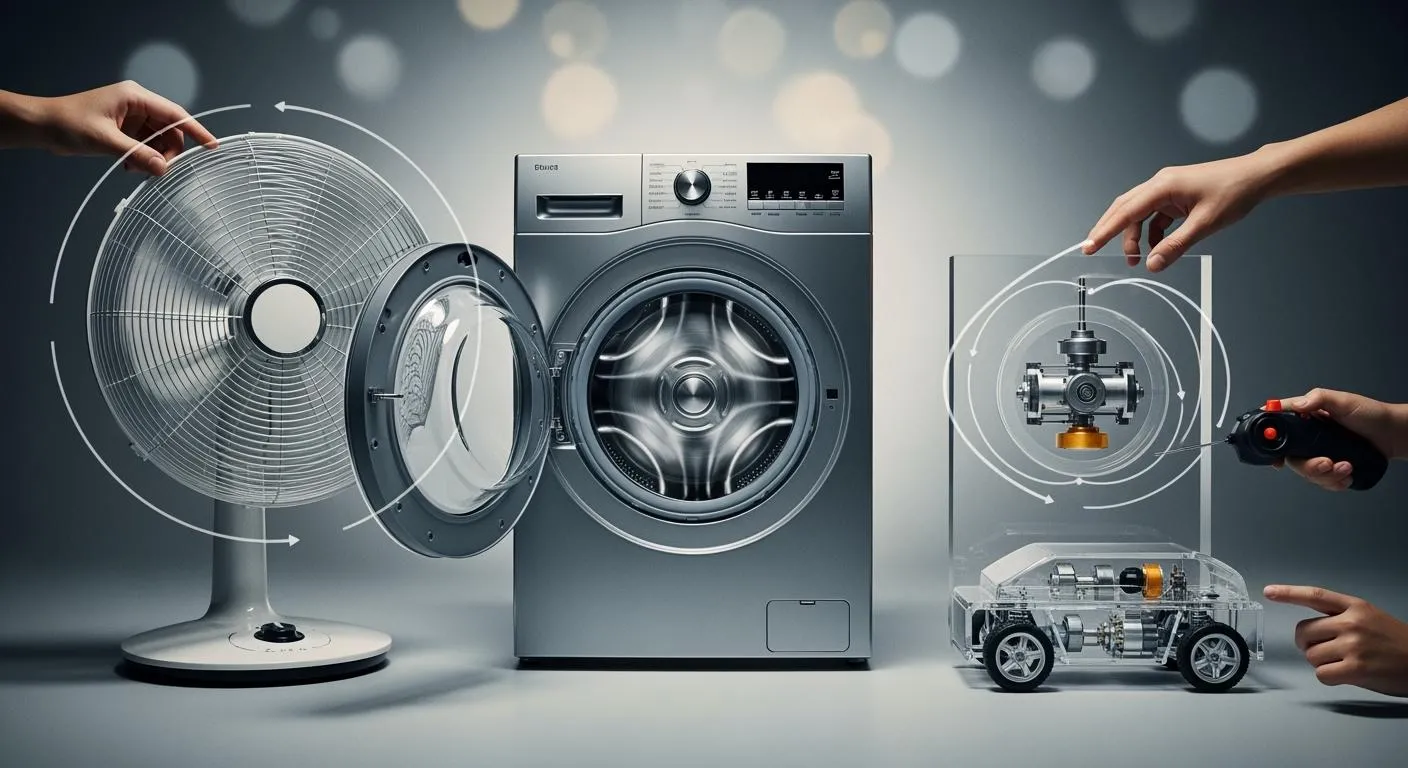
Imagine you switch on your fan during a hot afternoon and feel the cool breeze almost instantly. That smooth motion happens because of a key part inside called the motor rotor. You find similar action in washing machines, where electric motors—especially synchronous types—have become common. When you understand how a motor rotor works, you boost your chances of solving device issues. For example, troubleshooting accuracy can reach as high as 99% for faults like broken rotor bars, as shown below:
| Fault Type | Accuracy | Precision | Recall | F1 Score |
|---|---|---|---|---|
| 0 (No Fault) | 1.00 | 1.00 | 1.00 | 1.00 |
| 7 (Broken Rotor Bar at 100W Load) | 0.99 | 0.99 | 0.99 | 0.99 |
| Other Fault Types | >0.90 | >0.90 | >0.90 | >0.90 |
Key Takeaways
- Motor rotors are essential for converting electrical energy into mechanical motion in devices like fans and washing machines.
- Understanding rotor components, such as the laminated core and squirrel cage, helps you troubleshoot device issues effectively.
- Temperature management is crucial; high heat can damage rotors and reduce their lifespan, so regular maintenance is key.
- Using high-quality materials in rotors improves performance and reliability, reducing the risk of device failure.
- Automation tools can help monitor motor health, predict failures, and extend the life of your devices, saving you time and money.
Motor Rotor Basics in Electronics

Structure and Components
You encounter motor rotors in many devices at home and work. The motor rotor sits at the heart of an electric motor, transforming electrical energy into mechanical motion. You find several key components inside a typical motor rotor. The laminated core, made from thin layers of silicon steel, reduces energy losses by breaking up eddy current paths. Manufacturers press this core onto a shaft, which supports the rotor and connects it to other moving parts. The squirrel cage, built from aluminum or copper bars, forms another essential part. This cage helps the rotor spin efficiently and withstands the demands of daily use. Some rotors use a wound design, where coils wrap around the core, offering different performance characteristics.
Note: The materials used in these components matter. Copper alloys in squirrel cages boost efficiency and power factor, especially in devices with lower power ratings. The design and material of the rotor affect torque and energy efficiency. You see better line-starting performance and improved damping of dynamic load oscillations when manufacturers use high-quality materials.
Nova Technology Company (HK) Limited stands out as a HiSilicon-designated solutions partner. The company specializes in chip-level solutions and system integration for the integrated circuit industry. You benefit from their expertise in advanced semiconductor components, which enable reliable and efficient motor rotor operation in consumer electronics. Their solutions support applications ranging from smart home devices to industrial automation, ensuring seamless integration and optimal performance.
How Motor Rotors Work
You see the motor rotor in action every time you use an electric motor. The stator, which stays still, creates a magnetic field. The rotor, which rotates, interacts with this field. When electric current flows through the rotor's coils or bars, it generates its own electromagnetic field. The stator's magnetic field pushes and pulls the rotor's field, causing the rotor to spin. This process converts electrical energy into mechanical motion, powering the device.
The rotor and stator work together. The stator produces a moving electromagnetic field. The rotor tries to follow this field, and the difference between their speeds, called "slip," allows the rotor to spin. You see this principle in action in many electric motors. The interaction between the stator's magnetic field and the rotor's current creates mechanical motion. This simple yet powerful process drives countless devices in your daily life.
Common Device Examples
You find motor rotors in a wide range of household and industrial devices. Here are some common examples:
- Fans: The motor rotor spins the blades, creating airflow.
- Washing machines: The rotor turns the drum, helping clean your clothes.
- Electric toothbrushes: The rotor vibrates the brush head for effective cleaning.
- Vacuum cleaners: The rotor powers the suction mechanism.
- Children's toys: Many toys use small electric motors with rotors for movement.
- Power tools: Drills and saws rely on rotors for their cutting and drilling action.
- Mechanical pumps: The rotor drives the pump, moving fluids efficiently.
- Elevators: Rotors help lift and lower the elevator car.
- Electric vehicles: Rotors play a crucial role in propulsion.
- Freight trains: Large rotors drive the wheels, moving heavy loads.
You notice that the power rating of these devices varies. Small devices like toys and toothbrushes use low-power rotors, while larger machines like elevators and trains require high-power rotors. The choice of components and materials in each motor rotor affects how well the device performs and how long it lasts.
Tip: If you want to optimize device performance or troubleshoot issues, understanding the role of the motor rotor and its components gives you a strong foundation. You can spot problems early and make informed decisions about maintenance or repair.
Factors Affecting Motor Rotor Performance

Understanding what affects the performance of a motor rotor helps you keep your devices running smoothly. You can improve device reliability and efficiency by focusing on three main factors: magnetic forces, temperature effects, and material quality. Each factor plays a unique role in how a motor works and how long it lasts.
Magnetic Forces
Magnetic forces drive the core action in every motor rotor. When you learn how a motor works, you see that the strength of the magnetic field directly impacts the torque produced. If you increase the magnetic field, the torque rises sharply because torque is proportional to the square of the field strength. This means that even small changes in the magnetic field can lead to big differences in how much force the rotor generates.
You find that the type of magnet used in the rotor matters. Neodymium magnets, for example, create strong magnetic fields. These magnets allow manufacturers to make smaller motors that still deliver high torque. When you use stronger magnets, you get higher output force, better efficiency, and faster response. However, stronger fields also mean the rotor needs better heat management to avoid overheating.
Tip: If you notice your device making unusual noises or losing power, the problem could be with the magnetic forces inside the rotor. Regular testing and diagnostics help you catch these issues early, especially in brushless and DC motors.
Here is a table showing the main factors that influence rotor efficiency in electronic devices:
| Factor | Description |
|---|---|
| Rotor Design | Innovations in rotor technology, such as optimized rotor bar designs, significantly improve efficiency. |
| Material Selection | The choice between materials like copper and aluminum affects resistance and manufacturing complexity. |
| Heat Management | Effective cooling solutions are crucial to prevent thermal stress and maintain efficiency. |
| Rotor Slot Design | The shape and size of rotor slots influence performance characteristics, including efficiency and torque. |
| Manufacturability | Advanced designs may offer efficiency improvements but can be costly and challenging to produce. |
| Noise and Vibration | Certain rotor configurations can lead to increased noise and vibrations, impacting reliability. |
When you focus on quality control during manufacturing processes, you ensure that the magnetic materials and rotor design meet high standards. This leads to better device performance and fewer failures.
Temperature Effects
Temperature has a big impact on rotor performance and device lifespan. When you learn how a motor works, you see that heat builds up inside the rotor during operation. If the temperature rises too much, the grease in the bearings breaks down faster. For every 15 °C increase in bearing temperature, the grease life is cut in half. This means that high temperatures can quickly reduce the lifespan of your motor rotor.
You also need to watch for other temperature-related problems. High ambient temperature, frequent starts and stops, and high voltage can all raise the internal temperature of the motor. If the temperature goes above the motor’s heat class rating, the insulation can fail. This leads to short circuits and even motor burnout.
Note: Good heat management and regular testing help you avoid these problems. You can use sensors to monitor temperature and schedule maintenance before damage occurs.
Here are some ways temperature affects rotor quality and device reliability:
- High temperatures speed up lubricant breakdown, leading to more wear and tear.
- Overheating can cause insulation failure, resulting in short circuits.
- Frequent temperature spikes reduce the overall lifespan of the rotor.
- Devices with poor cooling systems need more frequent testing and repairs.
You can improve rotor quality by choosing materials that handle heat well and by using advanced cooling systems. Quality control during manufacturing processes ensures that each rotor meets strict temperature standards.
Material Quality
Material quality stands at the center of rotor performance. When you learn how a motor works, you see that the materials used in the rotor affect corrosion resistance, wear, and impact damage. High-quality materials last longer and resist damage from harsh environments. For example, coatings like chrome and carbide protect the rotor surface. Chrome costs less but can corrode faster, while carbide resists wear better but is more brittle.
If the rotor surface gets damaged, you may see roughness, cracks, or corrosion. These problems can break the seal between the rotor and stator, causing performance loss. Corrosion, wear, and impact damage often happen together. For example, a small impact can expose the metal, which then corrodes quickly.
Alert: Regular testing and quality control help you spot material problems early. In brushless and DC motors, you can use advanced diagnostics like instantaneous amplitude analysis. This method checks the stator current for signs of electrical or mechanical faults, making it easier to find material-related issues before they cause device failure.
Here are some key points about material quality and rotor reliability:
- High-quality materials reduce the risk of corrosion and wear.
- The right coating protects the rotor in tough environments.
- Damage to the rotor surface leads to more frequent device failures.
- Quality control and testing during manufacturing processes ensure that each rotor meets strict standards.
When you focus on quality control, you lower the risk of device failure and improve the reliability of your appliances. Regular testing and maintenance help you catch problems early, saving you time and money.
Remember: Improved rotor quality leads to better efficiency, reduced downtime, cost savings, longer lifespan, and improved safety for your devices.
Automation and Device Reliability
Rotor Diagnostics in Automation
You see automation changing how you monitor and maintain motor rotor health. Modern systems use advanced data analytics and machine learning to track the condition of your devices. For example, GE Vernova’s Motor Health Management system uses Electrical Signature Analysis and machine learning to predict motor failures. You can access a dashboard that shows equipment health, alarms, and anomalies from anywhere. Automation technology also uses vibration analysis, thermal monitoring, and motor current signature analysis. These methods help you spot early signs of wear or failure in electric motors. You can recognize fault signatures and notice changes from normal operation, which keeps your devices running safely and efficiently.
- Automation technology utilizes advanced data analytics and machine learning to enhance motor rotor health monitoring.
- Electrical Signature Analysis and machine learning predict motor failures.
- Dashboards provide remote access to equipment health, alarms, and anomalies.
Impact on Device Longevity
Automation and predictive maintenance systems bring many benefits to your devices. You can reduce downtime by finding problems before they cause failures. Maintenance costs drop because you only fix what needs attention. Equipment reliability improves, and you extend the life of your devices. Predictive maintenance can cut facility downtime by 5-15% and boost labor productivity by 5-20%. Vibration analysis gives you a warning 2-6 months before a failure. Thermal imaging detects problems before you see damage. Motor circuit analysis checks the whole electrical drive system quickly.
| Benefit | Description |
|---|---|
| Reduced downtime | Identifying potential issues before they occur ensures critical equipment is available when needed. |
| Lower maintenance costs | Performing maintenance as needed reduces costs associated with reactive maintenance. |
| Increased equipment reliability | Helps improve reliability by addressing potential issues before they escalate. |
| Extended equipment life | Proactive maintenance extends the useful life of equipment, minimizing costly replacements. |
User Tips for Maintenance
You can take simple steps to keep your motor rotors healthy. Start by checking the power supply to make sure your motor gets the right voltage and frequency. Inspect all connections for tightness and look for corrosion or looseness. Examine the bearings for wear, noise, or heat, and replace them if needed. Use a megohmmeter to test insulation resistance and find winding problems. Confirm that your motor works within its load range to avoid overheating and efficiency loss.
- Power Supply Check: Verify correct voltage and frequency.
- Connection Inspection: Look for tightness and signs of corrosion.
- Bearing Examination: Check for wear, noise, or heat.
- Winding Check: Test insulation resistance.
- Load Assessment: Make sure the motor operates within its specified range.
Tip: Regular maintenance and early detection help you avoid costly repairs and keep your devices safe and reliable.
You gain many benefits when you understand motor rotor behavior.
- You diagnose mechanical and electrical issues by recognizing rotor frequency differences.
- You optimize load conditions for energy efficiency.
- You plan maintenance schedules using knowledge of rotor dynamics.
- You follow standards for troubleshooting and device care.
The Smart Motor Sensor helps you meet standards by monitoring motor health and predicting failures. You reduce repair costs by following standards for quality control, trending, and troubleshooting.
| Gap Area | Impact on Repair Costs |
|---|---|
| Quality Control | Lack of updated settings can lead to undetected issues, resulting in costly repairs when failures occur. |
| Trending | Failure to analyze data can result in missed warnings, leading to catastrophic failures and high costs. |
| Troubleshooting | Inadequate troubleshooting processes can exacerbate minor issues into major failures, increasing expenses. |
You improve device reliability by observing your devices and applying standards. You protect your appliances by following safety standards. If you face persistent issues, you can access resources for professional help or learn more about automation in home electronics.
FAQ
What is a motor rotor?
You find the motor rotor inside electric motors. It spins when electricity flows through the motor. This spinning creates the movement that powers many devices you use every day.
Why does my fan slow down or make noise?
You may notice your fan slowing down or making noise if the rotor gets dirty, worn, or unbalanced. Dust, worn bearings, or loose parts can cause these problems. Regular cleaning and checks help prevent them.
How can I tell if my washing machine motor has a rotor problem?
You might hear strange sounds, feel vibrations, or see the drum stop spinning. These signs often point to a rotor issue. If you notice these, you should check the motor or call a technician.
Do all electric devices use the same type of rotor?
You see different types of rotors in various devices. Small gadgets use simple rotors. Large machines, like elevators, use stronger and more complex rotors. The design depends on the device’s power and purpose.
Can I fix a motor rotor myself?
You can clean or check for loose parts if you feel comfortable. For bigger problems, like damaged rotors or electrical faults, you should ask a professional for help. This keeps you safe and protects your device.