What is UC3842 and why it matters
The UC3842 is a current-mode PWM controller that regulates power in switching supplies, keeping your chargers and adapters efficient, cool, and safe.

Look at the phone charger beside you or the power brick for your laptop. Inside sits a tiny brain chip called the UC3842. This small controller manages power flow, and it keeps your electronics from overheating or failing. Think of it as a silent guardian for your gadgets. At Nova Technology Company (HK) Limited, a HiSilicon-designated (authorized) solutions partner, engineers build chip-level power solutions around controllers like this one. The UC3842 works quietly, yet its job matters every time you plug in a device. You never see it, but it protects your gear with every charge.
Key Takeaways
- The UC3842 chip controls power flow in your chargers and adapters.
- It makes power supplies efficient and keeps your devices cool.
- The chip protects your electronics from overloads and short circuits.
- Manufacturers save money because the UC3842 is cheap and reliable.
- You can find this tiny chip in many devices you use every day.
The UC3842: The Heart of Power Control

A Simple Definition
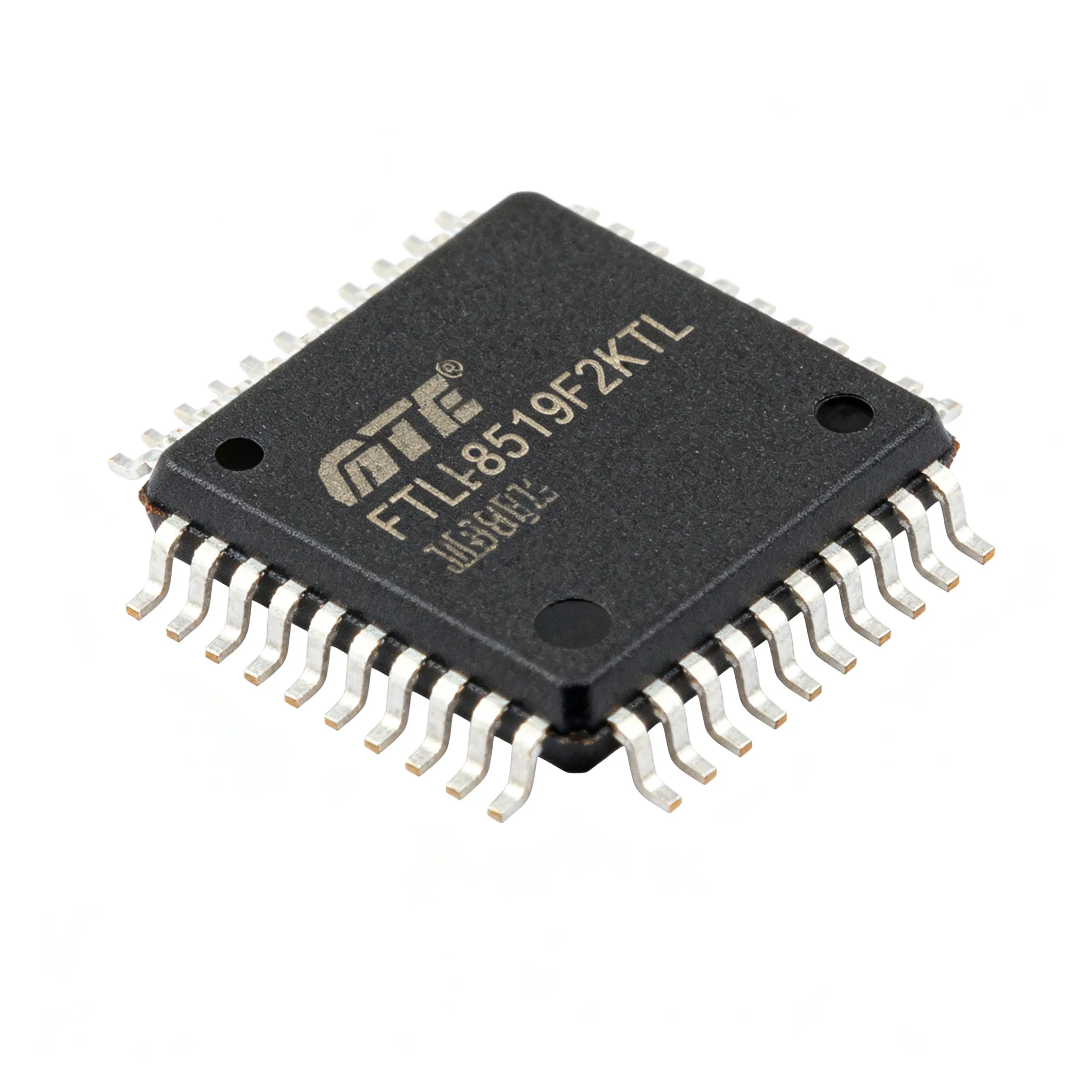
The UC3842 is a current-mode PWM controller. PWM stands for pulse width modulation. This integrated circuit regulates power flow inside switching power supplies. Think of it as a traffic cop for electricity. It directs current at just the right moment. It keeps the voltage steady even when you plug in different devices. The chip reads the output and makes small changes many times per second. Your charger stays cool because of this chip.
This chip works by monitoring both current and voltage. It switches the external power transistor on and off at a fixed frequency. The width of each on-pulse changes based on the load you connect. Engineers use pulse width modulation for tight output control. The chip uses this PWM technique to deliver stable power. The current-mode design gives it an edge. It monitors the current through the switching transistor directly. This makes the response faster and more stable than voltage-mode designs. It responds to changing conditions faster than older designs.
Inside this IC, several functional blocks work together. Each block has a specific job. An oscillator generates timing pulses at a frequency you set with an external resistor and capacitor. A feedback circuit monitors the output and adjusts the pulses. A PWM latch combines the oscillator signal and feedback to generate pulses of the correct duration. A high-current output stage drives the external switching transistor. A bandgap regulator provides a stable 5-volt reference for precise control. An under-voltage lockout shuts the chip down cleanly if the input voltage drops too low. A startup Zener diode limits the startup voltage to 34 volts. Each block helps maintain output regulation.
How It Controls the Flow
The UC3842 controls power by adjusting pulse width based on feedback. It senses output voltage through a feedback network. The IC compares what you need to what it supplies. If the voltage drops, the controller widens the PWM pulses. If the voltage rises, it narrows them. This constant adjustment keeps your device safe. You get stable regulation with every use.
Engineers connect a feedback network to the COMP pin of this IC. A resistor and capacitor in series form a compensation network. This network ensures stable output. Without proper compensation, the voltage shifts as the load changes. The feedback voltage depends on how hard the chip works. The output stays steady under different loads. The regulation loop responds quickly to any change. The capacitor allows the compensation to act only during changes. This keeps the system stable without affecting the steady output.
You see this IC in real-world products. One example is a 72-watt flyback supply. It uses the UC3842 as the primary controller. The design achieves peak efficiency of 87.4 percent. It uses synchronous rectification for even better performance. Another example is a 22-watt offline flyback design. That supply delivers 15 volts DC at 1.4 amps. Designers choose this PWM controller because it is low cost and high performance. It works well for bias supplies and main power conversion. These offline flyback converters serve as bias supplies for other power stages. They also work as the main supply for low-power electronics.
The UC3842 also contains protection features. The under-voltage lockout prevents operation at low input voltage. This protects both the IC and your device. The current-mode control limits the peak current through the switching transistor. This prevents damage from overloads. The traffic cop works hard to keep everything running smoothly.
With this chip, you get reliable power conversion. The pulse width modulation method wastes less energy than older designs. Your devices stay cooler and last longer. That is why this small integrated circuit matters for your daily electronics.
Why the Switching Power Supply Matters

Keeping Your Devices Safe
A switching power supply turns transistor switches on and off very fast. The duty cycle controls how long each switch stays on during one cycle. This rapid action wastes far less energy as heat. A linear regulator burns off extra voltage as heat instead. That heat stresses your device and shortens its life. A switching design runs cooler and more stable.
The efficiency difference is huge. A linear voltage regulator typically reaches only 40% to 50% efficiency. A switching voltage regulator often exceeds 85%. Some designs push past 90%. You get more usable power from every watt you draw. Your charger stays cool to the touch. Your laptop battery lasts longer between charges.
The UC3842 adds several protection layers. Undervoltage lockout with hysteresis stops the chip when supply voltage drops too low. The thresholds sit at 16 volts on and 10 volts off. Pulse-by-pulse current limiting caps the current on every switching cycle. This guards against short circuits. A programmable electronic circuit breaker enables fast shutdown during overcurrent events. HICCUP fault protection adds a restart delay. The system recovers safely from faults. Overvoltage and overtemperature protection round out the safety net. These features prevent the most common power supply failures.
Saving Energy and Money
High-frequency switching shrinks the transformer. An isolation transformer's size and weight drop as operating frequency rises. A 60 kHz switching frequency replaces the 60 Hz line frequency. That change cuts material needs and cost. Better efficiency also reduces power dissipation. You can use surface-mount transistors and diodes with the PCB copper area as a heatsink. This eliminates dedicated heatsinks and manual assembly. Labor costs fall and reliability improves.
The savings reach your household budget too. One projection estimates annual energy savings of 19 to 20 kWh per household. That translates to about €5 per household each year by 2030. The figure looks small at first glance. Multiply it across millions of homes and the impact grows large.
| Aspect | Linear Power Supply | Switching Power Supply |
|---|---|---|
| Basic operation | Dissipates excess voltage as heat | Uses high-frequency switching and PWM |
| Efficiency | Typically 40%–50% | Often above 85%, sometimes over 90% |
| Energy loss | High heat loss, especially at high power | Low waste through fast switching |
The regulation loop inside the UC3842 keeps output steady under changing loads. You get stable voltage whether you plug in a phone or a laptop. Power conversion efficiency stays high across different conditions. Switch mode power supplies now dominate the market for this reason. The switching action saves energy, reduces heat, and extends device life. That combination matters for your safety and your wallet.
Where You Find UC3842 in Action
Everyday Chargers and Adapters
You plug in your phone charger every day. That small brick likely holds a UC3842 inside. The chip runs the flyback power supply that converts wall voltage to the 5 volts your phone needs. Laptop adapters work the same way. Televisions and set-top boxes also use this controller for their standby and main power rails. These applications share one trait: they need steady, efficient power in a small space.
The UC3842 shines in offline converters. An offline converter takes AC mains voltage and produces isolated DC output. A 22-watt offline flyback design delivers 15 volts DC at 1.4 amps using this IC. Designers pick it for bias supplies and main power conversion. The chip handles the switching action at frequencies like 60 kHz. That high frequency shrinks the transformer and cuts material costs. You get a lighter, cheaper adapter without sacrificing performance.
Computers and DC-to-DC Regulators
Computers rely on multiple voltage rails. A desktop power supply must deliver 12 volts, 5 volts, and 3.3 volts at once. The UC3842 helps manage these rails through dc to dc converters. These regulators step one voltage down to another with high efficiency. You find them on motherboards, graphics cards, and storage drives. The chip's current-mode control keeps each rail stable under rapid load changes.
Switch mode power supplies dominate modern computing for good reason. They reach efficiencies above 85 percent, while linear designs waste half their input as heat. The UC3842 drives power MOSFETs directly. That direct drive simplifies circuit design and cuts part count. Engineers use this inexpensive controller across many applications: phone chargers, laptop adapters, TVs, bias supplies, and DC-to-DC regulators. A 72-watt flyback power supply built around this IC hits 87.4 percent peak efficiency. Another flyback power supply design serves as a bias rail for a larger system. The low cost and proven reliability make it a favorite for power conversion in consumer electronics.
The Benefits of Using UC3842
Simplicity and Reliability
You work with the UC3842 as a power supply designer. This IC offers a straightforward path to a working design. You connect it directly to mains voltage without extra startup circuitry. Its internal under-voltage lockout lets you charge a large-value resistor slowly. Once the voltage crosses 16 volts, the chip kicks on and starts switching. This built-in startup sequence eliminates the need for an auxiliary supply. The IC keeps your bill of materials simpler.
You often compare this PWM controller with newer options like the RM6222D or CR6842. Each approach has trade-offs.
| Approach | Key Advantages | Potential Drawbacks |
|---|---|---|
| UC3842 + External FET | Highly configurable; wide FET options; mature reference designs | Requires careful gate-drive layout; extra BOM parts; longer debug cycle |
| RM6222D (DIP-8) | Single-component solution; built-in soft-start & UVLO recovery; proven EMI | Fixed pinout limits flexibility; limited thermal headroom above 15W |
| CR6842 (SOP-8) | Smaller footprint; widely available; similar feature set | No integrated MOSFET; inconsistent batch-level EMI performance |
You get flexibility with the UC3842. You pick the external MOSFET that matches your power level. Mature reference designs reduce your debug time. The IC responds faster than voltage-mode designs. You get stable regulation across different loads.
RM6222D reduces component count by 7 parts and cuts primary-side area by ~35%.
Cost-Effective Power Management
This controller helps you save money as a manufacturer. You drive power MOSFETs directly from the output pin. This direct drive eliminates extra driver stages. Your circuit board uses fewer parts and less space. Assembly becomes faster and cheaper. The PWM method inside the IC keeps conversion efficient. You waste less energy as heat. Efficiency stays high across different loads.
The IC supports multiple applications with one design. You build a flyback power supply for a phone charger. You reuse the same core circuit for a laptop adapter. This reuse cuts your engineering cost across product lines. The part costs pennies compared to digital controllers. It delivers rock-solid regulation for countless applications.
Nova Technology Company (HK) Limited, a HiSilicon-designated (authorized) solutions partner, builds chip-level power solutions around controllers like this one. Engineers there integrate system-level designs using mature ICs. They select the right PWM controller for each application scenario. This integration saves development time and reduces time to market. That combination of low cost and high reliability makes it a popular choice.
You now understand the UC3842 as the traffic cop that directs electricity inside your devices. This small chip makes switching power supplies efficient, safe, and affordable. It wastes less energy as heat. It protects your gadgets from overloads and short circuits. The under-voltage lockout prevents damage during low-voltage conditions. The current-mode control responds faster than older designs. Your phone charger stays cool because of this controller. Your laptop adapter delivers stable voltage across varying loads. Remember that even the tiniest components play a huge role in modern technology. The UC3842 operates quietly inside millions of devices worldwide. It performs a critical job every single day.
FAQ
What does the UC3842 actually do?
It acts as the control brain inside a switching power supply. The chip switches a transistor on and off rapidly. It adjusts the pulse width to hold output voltage steady. Your device receives clean, stable power without overheating.
How does this chip protect my electronics?
It watches current and voltage every switching cycle. Pulse-by-pulse current limiting stops overloads. Under-voltage lockout shuts the chip down when input voltage drops too low. These safeguards prevent short circuits and thermal damage.
Why do manufacturers pick this controller?
It drives power MOSFETs directly, which cuts part count and simplifies circuit design. The chip costs very little and works across many applications. Mature reference designs shorten development time. You get reliable regulation without expensive extra components.
Where will I find it in my own home?
Check your phone charger, laptop adapter, or television. The UC3842 runs the flyback power supply inside these devices. It also appears in DC-to-DC regulators on computer motherboards. Any device needing efficient power conversion may carry one.
Is this chip still relevant today?
Yes. Engineers still choose it for bias supplies and low-power converters. Its current-mode control responds faster than older voltage-mode designs. The low cost and proven reliability keep it in millions of devices worldwide.