
Electronic Components Company Explained with Common Electronics Concepts
An electronic components company designs, manufactures, and distributes parts like transistors, resistors, and capacitors that power your phone, TV, and appliances.

An electronic components company designs, makes, and supplies the parts that go into almost every device you use. You will find transistors, resistors, and capacitors inside your phone, your TV, and your kitchen appliances.
These parts are the basic building blocks of electronics. Each one plays a specific role in controlling or shaping electric current.
You may wonder what these companies actually do day to day. You may also want to know how these components work. This article answers both questions in plain language.
Key Takeaways
- Electronic components companies design, make, and deliver the parts inside your devices.
- Active parts like transistors need power to switch or amplify signals.
- Passive parts like resistors and capacitors control current without extra power.
- Your phone and TV use many chips and parts working together.
- These components power your everyday electronics, so you can understand how they work.
What an Electronic Components Company Does

An electronic components company performs three core activities. It designs parts, it manufactures them, and it distributes them to the businesses that build finished products. Each activity feeds the next one.
Design and IC Manufacturing
Design starts with engineers who map how circuits should behave. They choose which parts go where and how those parts connect. They also decide how much space each part needs and how signals travel between them. In ic design, engineers lay out millions of tiny structures on a single chip. Strong ic design decides how fast a device runs and how much power it draws.
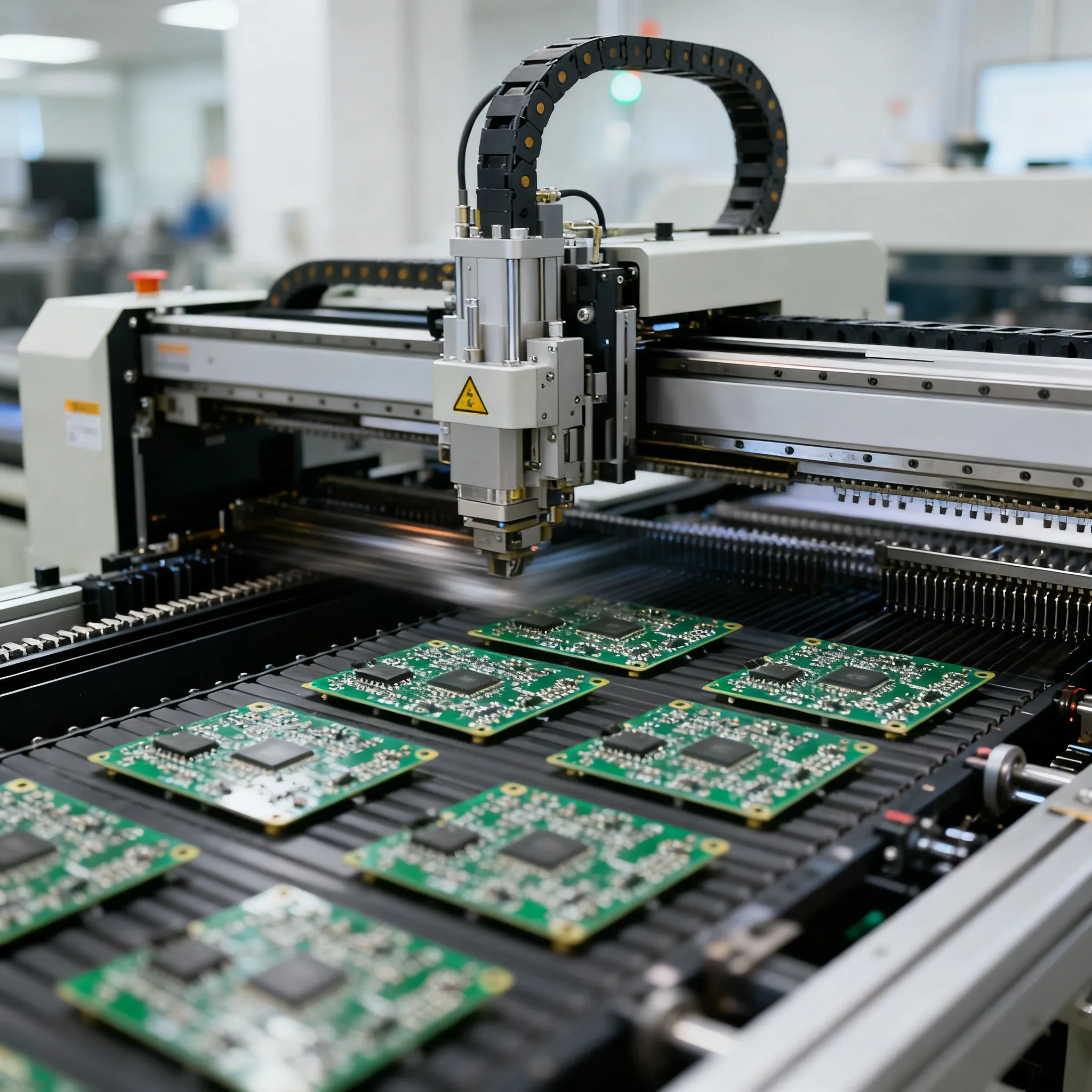
Manufacturing turns those designs into physical parts. During ic manufacturing, factories build chips layer by layer on silicon wafers. Wafers pass through hundreds of process steps before workers cut them into individual dies. This step sits at the heart of the semiconductor industry. A finished chip may hold billions of transistors. A modern semiconductor fab costs billions to build and run. Companies then move to ic packaging, which seals the chip in a protective case and adds the pins that link it to a board. Good ic packaging also shields the part from heat and moisture. ic manufacturers invest heavily in these lines, because precision matters at every stage.
These components control, store, convert, transmit, or protect electrical energy and signals. A single integrated circuit can handle processing, memory, or power management. Each integrated circuit packs many functions into a small space. Designers combine several integrated circuits to build complete systems. One ic may handle radio signals, and another ic may manage power. Nova Technology Company (HK) Limited works in this space as a HiSilicon-designated (authorized) solutions partner, focusing on chip-level solutions and system integration for its customers.
Distribution to Device Makers
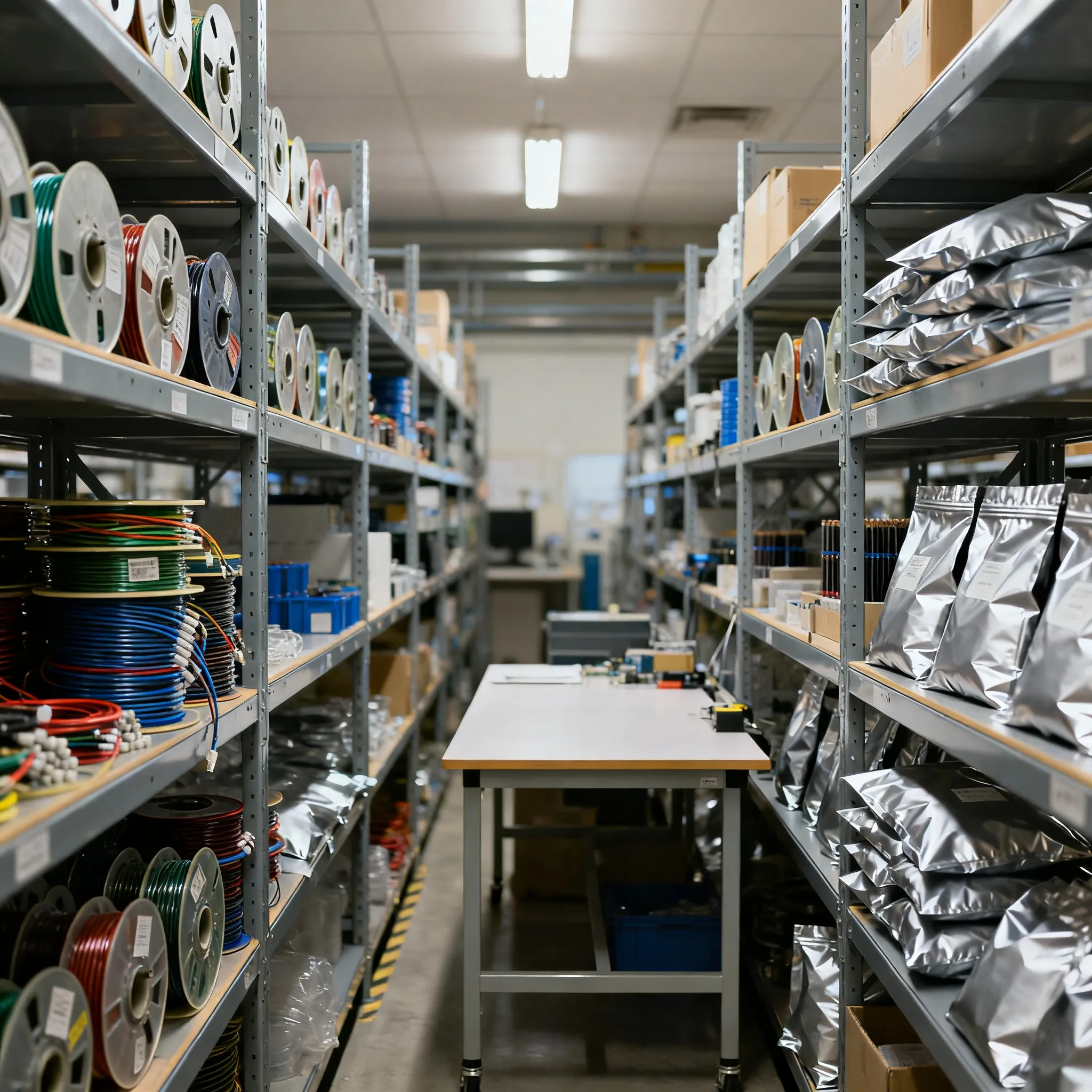
Distribution moves electronic components from factories to the companies that assemble products. A distributor stocks thousands of part numbers and ships them on short notice. Some buyers need a steady flow of common parts. Others need an independent distributor of electrical components to locate hard-to-find items, including obsolete parts that original makers no longer produce. Careful sourcing keeps a production line running when a single part runs short. Buyers check lead times, part authenticity, and storage conditions before they commit to an order.
These activities matter for one simple reason. No phone, TV, or appliance could be built without supplied parts. Every device you own depends on essential electrical components that arrive through this chain. The components inside your electronics control current, filter signals, and protect circuits from damage. A phone, for example, pairs a processor ic with memory ics and a power management ic. Remove one category of electrical components, and the whole product stalls.
Active Components

Active components can control current or amplify signals. They need a power source to work, and that trait separates them from passive parts. You will find these components in nearly every device you own. A passive part reacts to voltage, but an active part shapes the signal itself. That difference matters when you trace a signal through a board.
Transistors and Diodes
A transistor acts as a switch and an amplifier. In your phone, millions of them flip on and off to process data. A small control voltage at one terminal sets the flow between the other two. That behavior lets a transistor boost a weak signal or cut it off cleanly. You can spot a transistor by its three terminals. A diode directs current one way, which protects a circuit from a backward flow. An LED is a diode type that emits light, and you see that light in a TV backlight or a lamp. Each of these parts is a semiconductor device built from layered semiconductor materials. Manufacturers tune those semiconductors to respond to tiny voltage changes. Designers rely on them to shape signals inside electronic circuits. A transistor also switches power in a charger, and a diode steers that current in one direction. A diode also drops a small, predictable voltage, and that drop sets a reference point in many designs.
Integrated Circuit Basics
An integrated circuit is a compact chip of interconnected resistors, transistors, and capacitors. You can think of it as a silicon chip that holds a full network of parts. Engineers draw the layout during ic design, then build it through ic manufacturing. The finished chip then goes through ic packaging, which protects it and adds connection pins. A single chip may carry millions of transistors. The main types of integrated circuits cover processing, communication, memory, and power management. Products combine several integrated circuits to handle these jobs at once. One ic may run a radio, another ic may store data, and a third ic may manage power. Each ic links to other interconnected electronic components on the board. The semiconductor industry keeps shrinking these circuits to fit more function into less space. A modern semiconductor process packs dense circuits onto one die. That density makes the chip faster and more efficient across its logic circuits. An integrated circuit also pairs with electrical components around it, and those electrical components feed it clean power. Designers pick an ic for each job, then wire it to its neighbors. A well-chosen ic cuts cost and board space. Every integrated circuit follows a datasheet, and that sheet lists its limits. An integrated circuit can also mix analog and digital blocks on the same die. Good design balances speed against heat, and that balance decides how long a part lasts.
Crystals and oscillators act as timing parts. They generate a steady rhythm that keeps a chip's operations in sync. Your TV uses one to lock its display timing, and your phone uses one for radio communication. Without that timing, data would arrive at the wrong moment and errors would spread. Together, active parts and their supporting components form the working core of modern electronics.
Passive Components
Passive components do not amplify signals. They support the circuit by limiting, storing, or converting energy. You will find these parts on nearly every board, and they work alongside active parts to keep a design stable. These passive electrical components need no separate power source to do their job.
Resistors and Capacitors
A resistor limits current. It holds back the flow of charge and drops voltage along the way. You see this job in a phone's LED indicator, where a resistor keeps the light from drawing too much current. A resistor also sets bias points in many circuits, and that role keeps a transistor working in its safe range.
A capacitor stores charge. It releases that charge when the circuit needs it, which smooths out sudden changes. Your camera flash uses a capacitor to build up energy and release it in one quick burst. A capacitor also filters noise on a power line, and that filtering protects sensitive parts downstream.
Inductors and Transformers
An inductor stores energy in a magnetic field. It resists sudden changes in current, which makes it useful for filtering and energy storage. You find inductors in a phone charger, where they help convert voltage smoothly. An inductor also pairs with a capacitor to form a filter, and that filter blocks unwanted frequencies.
A transformer changes voltage. It uses two coils to step voltage up or down, and it keeps the two sides electrically separate. Your laptop power adapter holds a transformer that drops wall voltage to a safer level. A transformer also isolates a circuit from the mains, and that isolation protects both the device and you.
Designers pick each passive part for a specific job. A resistor fits where you need to limit current. A capacitor fits where you need to store charge. An inductor fits where you need magnetic energy storage. A transformer fits where you need a voltage change. Together with the ic on the board, these parts form the interconnected electronic components that make a product work.
Components in Everyday Electronics
You already carry a dense collection of parts in your pocket. Your phone pairs a processor chip with memory chips and a power management ic. The processor handles computing, and the memory holds data. The power management ic regulates the voltage that every other part receives. A radio ic then manages signal processing for calls and Wi-Fi. Each chip depends on the parts around it, and that teamwork defines modern electronics.
Your TV follows the same pattern. A display driver ic controls the pixels, and a timing crystal keeps the picture in sync. Resistors and capacitors sit close to that ic and clean up its signals. Your kitchen appliances rely on a smaller set. A washing machine uses a control ic, a few sensors, and a transformer that steps voltage down. A refrigerator uses a compressor relay and a capacitor to start the motor. These passive electrical components do quiet work, yet the product fails without them.
An electronic components company supplies these building blocks to the factories that assemble the final product. Most products combine multiple integrated circuits, and each one covers a narrow job. Designers link them through traces on a board, and those traces carry signals between interconnected electronic components. A single phone may hold several integrated circuits for processing, memory, radio, and power. The same logic applies across consumer electronics.
Consider one concrete case. When you tap your screen, the processor ic sends a request to the power management ic. That ic raises the voltage for the display, and a driver ic lights the pixels. A capacitor absorbs the sudden current draw, and a resistor sets a reference level. The signal then travels through circuits that filter noise before it reaches the antenna. Every step depends on essential electrical components working in sequence. A weak link in that chain shows up as a slow screen or a dropped call.
The next time you pick up a device, look at the seams and the ports. Somewhere inside, a semiconductor die and a set of passive parts are doing exactly this job.
Active parts like transistors and integrated circuits switch, amplify, and process signals. Passive parts like resistors, capacitors, and inductors limit current, store charge, and filter noise. Together, these components drive your phone, your TV, and your appliances every day. You now know how each type earns its place on a board.
An electronic components company designs, makes, and distributes these building blocks. That supply chain turns raw silicon and simple parts into the electrical components inside every device you own. The next time a gadget catches your eye, look closer. You will spot the essential electrical components that make modern electronics possible.
FAQ
What does an electronic components company actually do?
It designs, builds, and ships the parts inside your devices. Engineers plan the circuits, factories produce the chip, and distributors deliver the parts to device makers. You get a finished product because each step in that chain works.
How do active and passive components differ?
Active parts need power and can switch or amplify a signal. Passive parts need no separate supply and simply limit, store, or convert energy. You will find both types working side by side on almost every board.
Why does one product hold so many integrated circuits?
Each integrated circuit handles a narrow job, such as processing, memory, radio, or power. The main types of integrated circuits cover exactly these roles. Designers combine several integrated circuits so no single chip carries every task. That split keeps the design flexible and easier to upgrade.
How do buyers source hard-to-find parts?
Buyers check lead times, authenticity, and storage conditions first. Some turn to a distributor that tracks obsolete parts and surplus stock. Good ic manufacturers also publish lifecycle notices, which help you plan a last-time buy before a part disappears.