Mass Air Flow Sensor Explained for 2026
A mass air flow sensor measures air entering your engine, helping the ECU balance fuel for optimal performance, efficiency, and lower emissions.
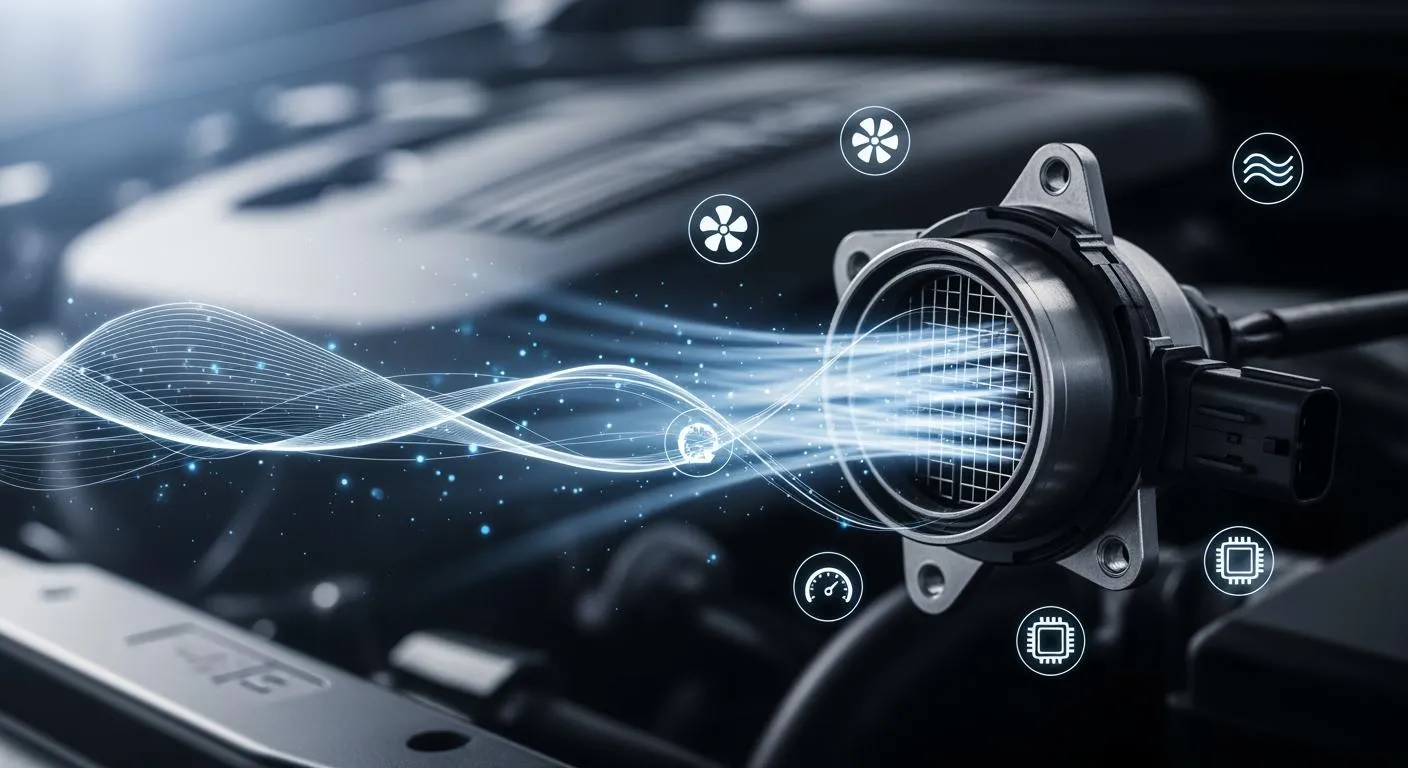
You might wonder what does mass air flow sensor do in your car. This small device measures how much air enters your engine. It helps your car’s computer decide how much fuel to use so your engine runs smoothly and uses gas efficiently.
- The sensor tracks the air volume entering the engine.
- The computer uses this information to create the best air-fuel mix.
- This process helps your car save fuel and avoid wasting gas.
When your engine gets the right mix, you get better performance and fewer trips to the gas station.
Key Takeaways
- The mass air flow sensor measures the amount of air entering your engine, ensuring the right air-fuel mix for optimal performance.
- A well-functioning sensor improves fuel efficiency, leading to fewer trips to the gas station and saving you money.
- Recognizing symptoms of a failing sensor, like rough idling or sluggish acceleration, can help you avoid costly repairs.
- Regular maintenance of the mass air flow sensor keeps your engine running smoothly and reduces harmful emissions.
- Understanding how the sensor works empowers you to take better care of your vehicle and enhance its longevity.
What Does Mass Air Flow Sensor Do
Measures Air Entering the Engine
When you ask, "what does mass air flow sensor do," you want to know how your car keeps running smoothly. The answer starts with measuring the air that enters your engine. Your engine needs the right amount of air to mix with fuel for proper combustion. The mass airflow sensor sits between the air filter and the intake manifold. As air flows through, the sensor checks exactly how much air goes in.
- The sensor measures the mass of air, not just the volume. This matters because air density changes with temperature, altitude, or even turbocharging.
- Most sensors in passenger vehicles can measure airflow from as little as 2 grams per second up to 500 grams per second.
- The sensor uses a heated wire or film. As air passes over it, the sensor tracks how much current is needed to keep the wire hot. This tells the computer the exact mass of air entering the engine.
Accurate air measurement helps your engine get the right amount of fuel every time you press the gas pedal.
Helps Control Air-Fuel Ratio
You might still wonder, "what does mass air flow sensor do" after learning about air measurement. The next step is controlling the air-fuel ratio. Your car’s computer, called the ECU, uses the sensor’s data to decide how much fuel to inject. This process happens in real time, so your engine always gets the best mix for power and efficiency.
- The sensor sends real-time air flow data to the ECU.
- The ECU adjusts fuel injection to keep the air-fuel ratio just right.
- The sensor works with the oxygen sensor to fine-tune the mix, making sure your engine burns fuel efficiently and produces fewer emissions.
If you ask, "what does mass air flow sensor do" when it comes to engine health, the answer is clear. It keeps your engine running at its best by making sure the air and fuel stay balanced. When the sensor works well, you get smooth acceleration, better fuel economy, and lower emissions. If the sensor fails or gives wrong readings, your engine might run too rich or too lean. This can cause poor performance and higher emissions.
So, what does mass air flow sensor do? It acts as the engine’s air traffic controller, making sure every cylinder gets the right mix for a clean and powerful drive.
How Does a MAF Sensor Work

Understanding how does a maf sensor work helps you see why your car runs smoothly every day. The mass airflow sensor sits in the intake air stream and measures the amount of air entering your fuel injected engine. This information lets your car’s computer adjust the fuel for the best performance.
Airflow Measurement Process
You might wonder what happens inside the sensor as air flows through it. Most cars use either a hot wire mass airflow sensor or a hot film maf sensor. Both types rely on a heated element that reacts to the air passing by.
- The hot wire mass airflow sensor uses a thin platinum wire heated above the air temperature. As air moves over the wire, it cools down. The sensor measures how much current is needed to keep the wire hot. More air means more cooling, so the current changes.
- The hot film maf sensor works in a similar way, but it uses a heated film instead of a wire. This film sits in a Wheatstone bridge circuit, which helps measure the air mass flow.
- Some older vehicles use a vane or flap sensor. This design measures how much force the air applies to a flap, which moves in response to airflow.
The sensor also tracks air temperature. It combines this with the airflow data to give your car’s computer a precise reading of the air mass. This process ensures your engine gets the right amount of fuel every time you drive.
Sending Data to Engine Computer
After measuring the air, the sensor sends this data to the engine control unit (ECU). The ECU uses the information to fine-tune the fuel injection. This keeps the air-fuel ratio balanced, so your engine runs efficiently and produces fewer emissions. Each sensor is designed for specific airflow ranges and can handle large volumes, making sure your car performs well in different driving conditions.
Note: Nova Technology Company (HK) Limited stands out as a HiSilicon-designated solutions partner. The company specializes in chip-level solutions and system integration for the integrated circuit industry. Their expertise covers advanced IC design, embedded systems, and application scenarios such as automotive electronics, smart devices, and industrial automation.
If you ever ask yourself, "how does a maf sensor work," remember that it acts as your engine’s air detective. It constantly checks the air coming in and helps your car’s computer make smart decisions for power and efficiency.
Why MAF Sensors Matter
Engine Performance and Efficiency
You depend on your car to deliver smooth power and reliable performance every day. The mass airflow sensor plays a key role in making this happen. When the sensor works correctly, your engine receives the right amount of air for mixing with fuel. This balance lets your fuel injected engine respond quickly when you press the accelerator. You notice steady acceleration and fewer hiccups during your drive.
- You get better fuel economy because the engine uses only the fuel it needs.
- Your car starts easily and idles smoothly.
- The engine runs at its best, giving you more power when you need it.
If the sensor fails, your fuel injected engine may struggle. You might feel hesitation, rough idling, or even stalling. The sensor helps your car’s computer adjust to changes in driving conditions, so you enjoy consistent performance whether you drive in the city or on the highway.
A healthy sensor keeps your engine efficient and helps you avoid costly repairs.
Impact on Emissions
You care about the environment and want your car to meet emission standards. The mass airflow sensor helps control the air-fuel mix, which affects how clean your engine runs. When the sensor works well, your fuel injected engine burns fuel completely and produces fewer harmful gases.
- A malfunctioning sensor can cause the engine to run too rich or too lean, leading to increased emissions.
- The National Highway Traffic Safety Administration (NHTSA) reports that improper air-fuel mixtures from faulty sensors can increase emissions by up to 40%.
You help reduce pollution and protect air quality when you keep your sensor in good condition. Your car passes emissions tests more easily, and you avoid fines or repairs related to emission problems.
Keeping your sensor healthy benefits both your wallet and the planet. 🌱
Signs of a Bad MAF Sensor

Common Symptoms
You rely on your internal combustion engine to start smoothly and run efficiently. When the mass air flow sensor begins to fail, you may notice several warning signs. These symptoms often appear before the sensor stops working completely. Recognizing them early can help you avoid bigger problems.
- Check engine light turns on
- Rough or inconsistent idling
- Sluggish acceleration or hesitation when you press the gas
- Hard starts, especially in cold or damp weather
- Reduced fuel efficiency, meaning you visit the gas station more often
- Black smoke from the exhaust
- Frequent stalling or sputtering
If you see these symptoms, you should consider troubleshooting a maf sensor. Many drivers experience unreliable readings rather than total failure. These issues can cause your engine control unit to make poor decisions about fuel injection, leading to more noticeable problems.
Effects of Sensor Failure
A bad mass air flow sensor can cause more than just annoying symptoms. It can affect the safety, performance, and long-term health of your vehicle. When the sensor sends incorrect data, your engine control unit may deliver the wrong air-fuel mixture. This can lead to several serious effects:
- Lean or rich fuel mixture, causing rough idling or stalling
- Difficulty starting your car due to improper injection
- Engine stalls after starting or while idling
- Hesitation, jerking, or dragging during acceleration
- Engine hiccups or surges while driving
Ignoring these issues can damage your internal combustion engine. Running with the wrong air-fuel ratio can foul spark plugs, damage the catalytic converter, and cause carbon buildup. What starts as a simple sensor replacement—often costing between $150 and $600—can turn into a $1,500 repair if left unchecked.
Regular maintenance and cleaning help prevent these problems. If you wonder why do maf sensors fail, dirt buildup, electrical issues, or faulty connections are common reasons. If you notice symptoms, learn how to replace a faulty maf sensor or visit a professional. Quick action keeps your engine running strong and your repair bills low.
| Troubleshooting a maf sensor | How to replace a faulty maf sensor |
|---|---|
| Use an OBD-II scanner | Follow your vehicle’s manual |
| Inspect for dirt or damage | Disconnect the battery |
| Check connections | Remove and replace the sensor |
You rely on your mass air flow sensor to deliver accurate air mass information to your car’s computer. This keeps your electronic fuel injection system working at its best. Regular maintenance and cleaning help you avoid problems like poor acceleration or high fuel use. If you notice symptoms, act quickly. You protect your engine, save money, and keep your car running smoothly.
FAQ
What is the difference between a mass air flow sensor and an intake air temperature sensor?
You use a mass air flow sensor to measure the amount of intake air entering your engine. An intake air temperature sensor checks the temperature of that intake air. Both sensors help your car’s computer adjust fuel for the best performance.
How often should you clean or replace your mass air flow sensor?
You should check your mass air flow sensor every 12,000 to 15,000 miles. Cleaning helps remove dirt from the intake air. If you notice rough idling or poor fuel economy, you may need to replace the sensor.
Can a faulty mass air flow sensor affect intake air temperature readings?
A faulty mass air flow sensor does not directly change intake air temperature sensor readings. However, incorrect intake air measurements can cause your engine to run poorly. Both sensors work together to help your car’s computer manage fuel and air.
What happens if your engine gets too much intake air?
If your engine receives too much intake air, the air-fuel ratio becomes unbalanced. You may notice rough idling, hesitation, or black smoke from the exhaust. The mass air flow sensor helps prevent these problems by monitoring intake air levels.
Why does your car need to measure intake air?
Your car measures intake air to ensure the engine gets the right mix of air and fuel. The mass air flow sensor and intake air temperature sensor provide data to the computer. This process improves performance, saves fuel, and reduces emissions.