What Is DC Voltage? 2026 Guide to Everyday Electronics
What is DC voltage? It's a steady, one-way electrical flow that powers phones, laptops, and gadgets. Learn how DC differs from AC and why devices need it.

So you've been there: your phone hits two percent, you grab the charger, and relief arrives the instant the screen glows. That steady push of energy moving one way through the cable? You're experiencing what is dc voltage: a constant, one-directional flow of electrical current. Unlike wall power, dc maintains a steady current, never reversing. Small gadgets depend on this stable voltage, which is why your earbuds, remote, and power bank all run on dc. The adapter on your nightstand? It delivers dc too. This guide shows you where dc appears every day. You'll spot it in your car, your solar panels, and countless other places.
Key Takeaways
- DC voltage is a steady one-way flow. It powers phones, laptops, and cars. Match your charger's DC output to your device.
- Your wall outlet sends AC. Chargers and adapters convert AC to clean DC. This steady DC keeps your gadgets safe and reliable.
- Batteries store energy as DC. Your car uses a 12-volt DC system. Solar panels also generate DC from sunlight.
- Stable DC voltage keeps chips and transistors safe. Fluctuations cause glitches. They cause damage. A reliable DC supply prevents those problems.
- Understanding DC voltage helps you pick correct power sources. Check device labels before buying an adapter. This simple step prevents damage.
Direct Current vs. Alternating Current

What Is DC Voltage in Simple Terms
Think of a river that always flows downstream. That's what is dc voltage — a steady electrical push that never flips direction. In engineering terms, dc voltage keeps constant polarity. The positive and negative terminals stay put. They don't swap roles over time.
A dc circuit typically includes constant voltage sources, constant current sources, and resistors. The voltages and currents in that circuit don't depend on time. A given value doesn't rely on past readings. The math stays simple because nothing involves integrals or derivatives with respect to time.
Here's the key point: dc means unidirectional flow. The electric current moves one way only. The voltage can wiggle a bit in magnitude — like a rectifier output — but the direction of flow never changes. Most dc sources, such as a AA battery, are expected to deliver a steady dc voltage over time. In reality, that voltage slowly drops as the battery discharges. For most practical purposes, you assume it stays constant.
Now picture the opposite. Alternating current, or AC, reverses direction periodically. The current swings back and forth many times each second. That's the power coming out of your wall outlet. The contrast between direct current vs. alternating current matters because each suits different jobs. DC shows up in extra-low and low-voltage applications. AC handles household wall power and long-distance transmission.
Why Most Gadgets Run on DC
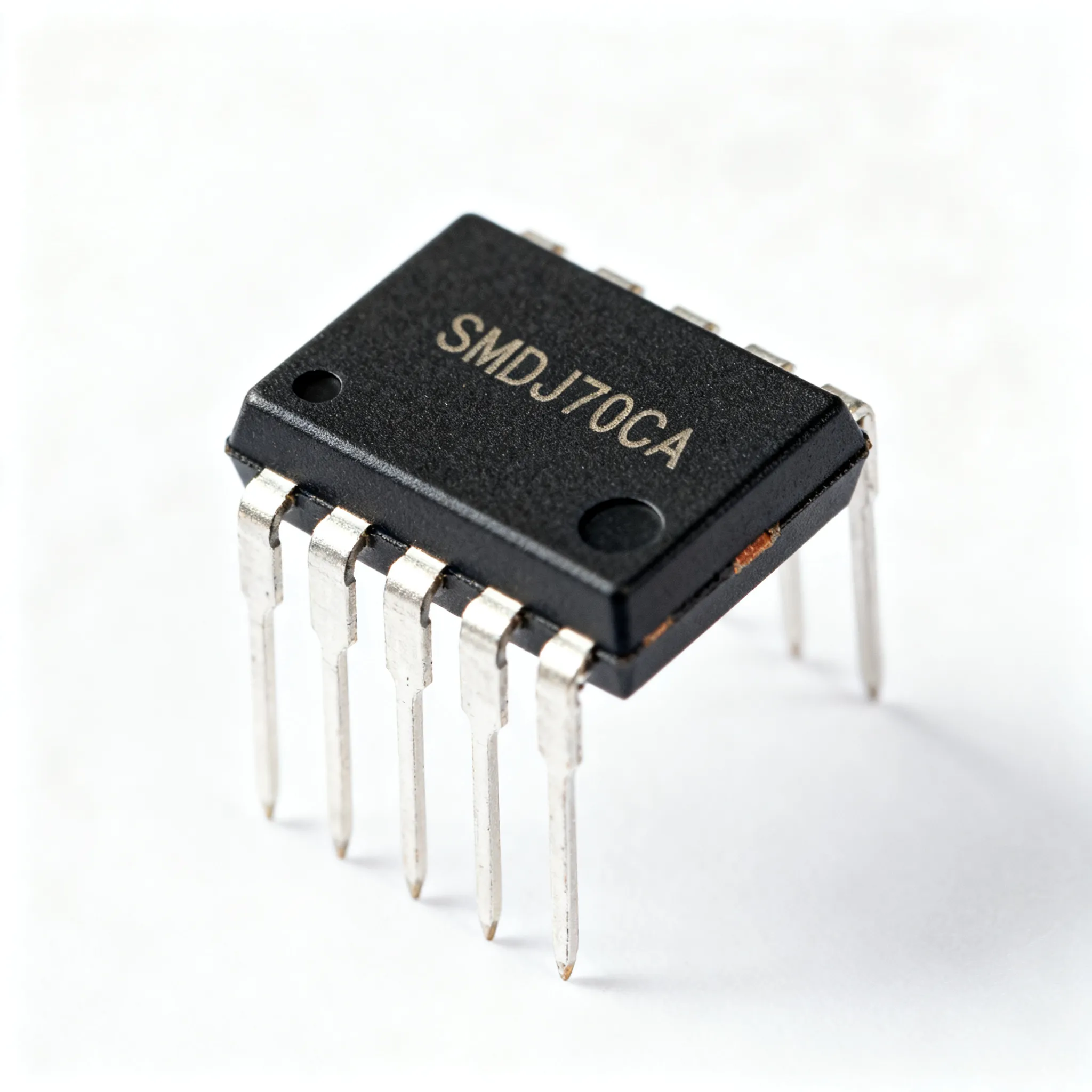
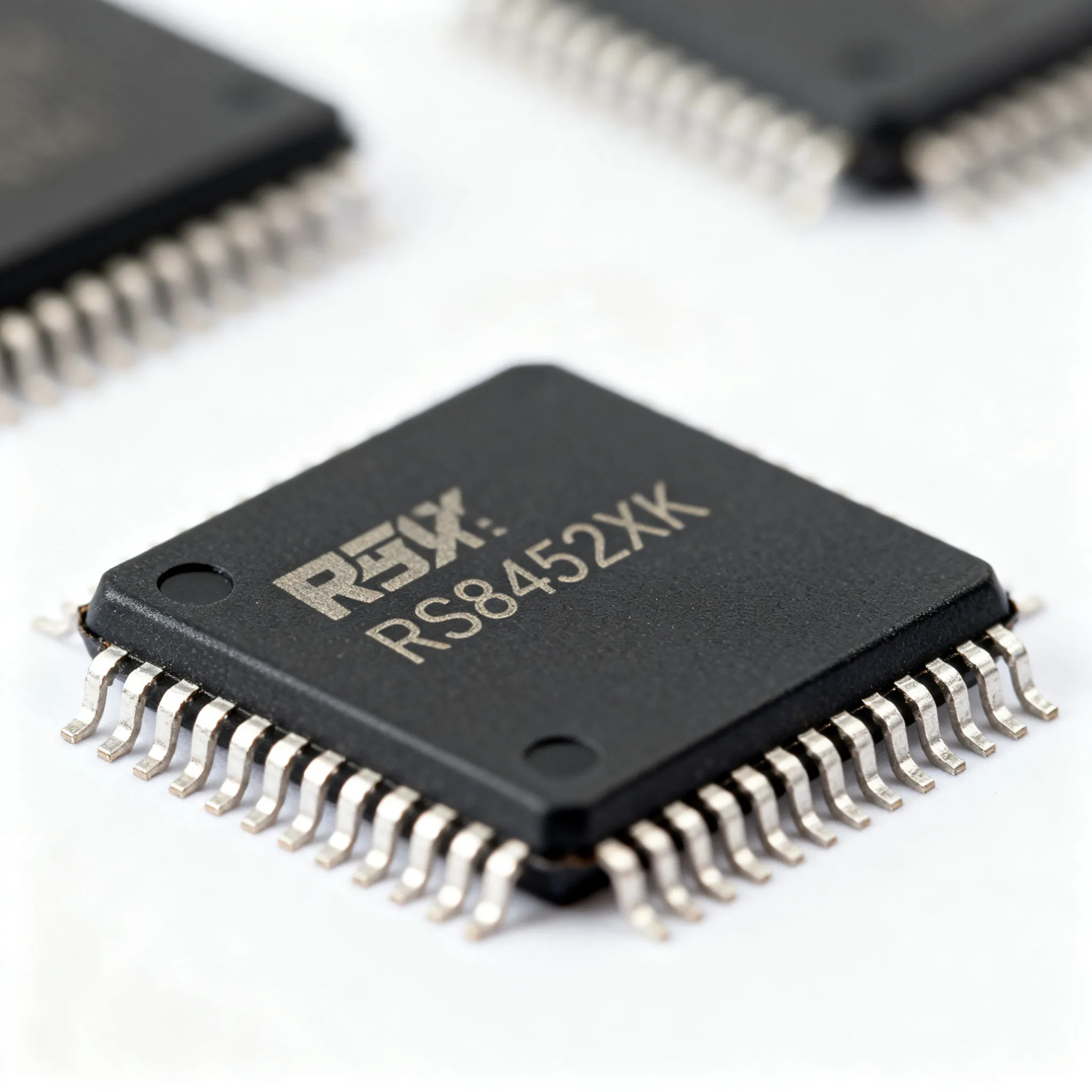
Your phone, laptop, earbuds, and power bank all need dc. Why? Semiconductors demand it. Transistors, diodes, and integrated circuits depend on specific voltage levels to work correctly. A stable dc voltage keeps them operating reliably.
Semiconductor components allow current to flow in one direction. That matches dc's unidirectional nature perfectly. If you fed AC directly into these components, they would fail or get damaged. AC's changing direction makes them ineffective.
Integrated circuits and microchips cannot run directly on AC. They need a rectification stage to convert AC into dc first. That's why your wall charger exists. It takes AC from the outlet and converts it to dc for your device.
DC also avoids frequency-related interference. AC brings frequency concerns that can disrupt sensitive device operation. DC sidesteps that problem entirely.
Regulating dc voltage to precise levels is easier too. You can step it down efficiently using simple circuits or switched-mode power supplies. Switch-mode power supplies convert AC mains to dc more efficiently than linear voltage regulators. That means compact, lightweight power supplies that generate less heat.
Lower energy losses matter as well. Converting AC to dc or dc to AC wastes energy as heat. Using dc directly skips that extra conversion step. Efficiency improves.
Electronic devices typically operate at lower voltages. DC systems provide those levels easily. Lower voltages are also inherently safer for you in household and personal electronics.
Companies like Nova Technology Company (HK) Limited, a HiSilicon-designated (authorized) solutions partner, focus on chip-level power solutions that help device makers integrate efficient dc regulation into their products.
How DC Voltage Powers Electronic Devices

Batteries and Portable Power
Think about the last time you grabbed your phone without checking the battery percentage. You just trusted it would work. That trust rests on dc voltage flowing steadily from a battery inside. Nearly every portable electronic device you own relies on battery power. Smartphones, laptops, earbuds, and power banks all depend on this constant supply.
Why does steady dc matter so much? Electronic devices need a stable voltage to operate correctly. A fluctuating supply causes glitches, crashes, or permanent damage. DC delivers that consistency. Your earbuds pump out clean audio because the voltage never wobbles. Your laptop saves files without corruption because the current stays predictable.
The global power bank market shows just how much we depend on portable dc power. Take a look:
| Metric | Value |
|---|---|
| Global power bank market size (2025) | USD 20.9 billion |
| Estimated market size (2026) | USD 22.6 billion |
| Projected market size (2033) | USD 39.5 billion |
| CAGR (2026–2033) | 8.3% |
The global power bank market size was valued at USD 20.9 billion in 2025 and is projected to grow from USD 22.6 billion in 2026 to USD 39.5 billion by 2033, growing at a CAGR of 8.3% from 2026 to 2033.
That growth reflects something simple. People need dc power everywhere they go. Rechargeable batteries inside these devices store energy and release it as steady dc. When you swap out disposable batteries in a remote or toy, you're handling dc sources directly. Battery-operated equipment covers everything from TV remotes to wireless keyboards.
Chargers, Adapters, and USB Ports
Here's where things get interesting. Your wall outlet delivers AC, not dc. So how does your phone charge? The answer sits in that little brick you plug into the wall. Wall chargers and USB ports convert AC from the outlet into dc for your device.
The process works like this. AC enters the charger. Inside, a rectifier flips the negative swings of the AC waveform into positive ones. A filter smooths out the bumps. What comes out the other end? Clean, steady dc voltage ready for your device.
USB ports follow the same principle. Whether you plug into a laptop, a car outlet, or a wall adapter, the port delivers dc. That's why direct current for charging works across so many devices. Your phone doesn't care whether the dc comes from a wall brick or a power bank. It just needs the right voltage and current.
Mobile electronic devices have standardized around this approach. USB-C, micro-USB, and Lightning cables all carry dc power. The connector shape changes, but the electrical principle stays the same. DC charging keeps your devices topped up wherever you go.
Next time you plug in, remember what's happening. You're converting AC to dc, then feeding that steady stream into rechargeable batteries. That cycle powers your entire day.
DC Voltage Applications in Everyday Life and Technology
Automobiles and 12 V Systems
Your car runs on a 12 V DC system. That single voltage powers the headlights, the radio, the power windows, and the dashboard electronics. When you turn the key, the battery sends DC through a network of wires to every corner of the vehicle. The alternator recharges that battery while the engine runs, so the cycle continues.
This setup shows how DC electricity supports stable, low-voltage needs. Sensors, control circuits, and communication systems inside the car all rely on steady DC. Any ripple in that voltage causes flickering lights or glitchy displays. Automakers choose DC for exactly this reason: it delivers consistent current without the frequency swings of AC.
Solar Panels and Renewable Energy
Solar panels produce DC power directly from sunlight. Each panel generates a steady flow of current, which then travels to an inverter or a charge controller. Homes with battery storage keep that DC power in reserve for nighttime use. Electric cars follow the same logic. Their battery packs store DC, and dc-dc converters step that voltage up or down for motors, screens, and led lighting.
Nova Technology Company (HK) Limited, a HiSilicon-designated (authorized) solutions partner, supports this space with chip-level power solutions. The company focuses on system integration for power management ICs, helping device makers apply efficient DC regulation across consumer electronics and renewable energy products.
You will find DC voltage wherever stable, low-voltage power matters. Portable electronics, industrial sensors, and telecom equipment all depend on it. Even dc charging for your phone starts with the same principle. DC suits these roles because it avoids the conversion losses and interference that AC introduces. That reliability keeps your devices running smoothly day after day.
Common DC Voltage Sources
Power Supplies and Adapters
You already know the most familiar dc source: batteries. Every remote, flashlight, and wireless mouse in your home holds one. These small cells store chemical energy and release it as steady dc. When you swap a dead battery for a fresh one, you restore that flow of current instantly. Rechargeable batteries work the same way, and they refill from a charger that feeds them dc.
Batteries suit portable gear, but they run down. For devices that stay in one place, you need something that never quits. That job belongs to dc power supplies. These units plug into a wall outlet and deliver a steady stream of current to your electronics. A bench supply in a workshop even lets you dial the output up or down, which makes it a reliable and adjustable dc power source for testing circuits.
Adapters That Convert AC to DC
Your outlet pushes AC, so how does a wall adapter hand your laptop clean dc? Inside that little brick, a rectifier flips the negative half of the AC wave into positive territory. A filter then smooths the bumps. The result is steady dc power your device can actually use. This conversion happens millions of times a day across the world.
Solar panels skip that step entirely. They generate dc straight from sunlight, which makes them a natural fit for renewable energy setups. Charge controllers and dc-dc converters then manage that output. The same holds for electric vehicles, where dc-dc converters shift voltage between the battery pack and the motors. Whether the source is a panel, a battery, or a wall adapter, dc power keeps your electronic devices running. Understanding these sources helps you match the right supply to the right job.
So what is dc voltage? It's simply a steady, one-way push of electrical energy. You've seen how dc differs from ac — dc holds a constant direction, while ac reverses. That steady flow suits small electronics perfectly. Transistors and chips need stable voltage to work right. Now you can pick the right charger or battery with confidence. Check the dc output rating before you buy. Match it to your device, and you're set. DC power isn't abstract at all. It's in your pocket, your car, and your home every single day.
FAQ
What is dc voltage, in the simplest terms?
It's a steady, one-way push of electrical energy. The positive and negative ends stay fixed. Current flows in a single direction without reversing. Think of a battery: it always sends dc power the same way. That steady current keeps your gadgets running smoothly.
Why do phones and laptops need dc instead of ac?
Chips and transistors inside these devices need a stable dc supply. AC reverses direction many times each second. That would damage sensitive components. DC delivers constant voltage, so your device works reliably. The current never wobbles, which means no glitches or crashes. A steady dc current keeps everything stable.
How does a charger turn wall power into dc?
A rectifier inside the charger flips the negative swings of AC into positive ones. A filter then smooths the bumps. What comes out is clean, steady dc. That dc current feeds your battery or powers your device directly. The whole process happens in that little brick you plug in.
Where else do you find dc in daily life?
Your car runs on a 12 V system for lights, radio, and windows. Solar panels generate dc straight from sunlight. Power banks store dc for charging on the go. Even your TV remote uses dc from batteries. The current flows steadily in all these examples. That steady current never stops.
Can you use any adapter with any device?
No. You must match the voltage and current rating. Check the label on your device and the adapter. A mismatch can damage your electronics or cause a fire. Always verify the dc output before you plug in. The wrong current can fry your device. Too much current is dangerous.